People
People List
-
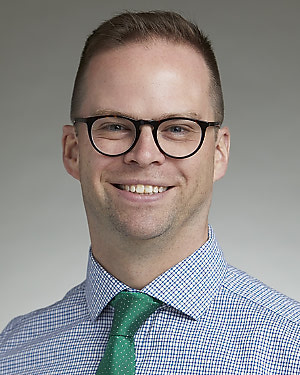
Mitchell Blenden, MDRams Board/Secretary-Treasurer
Yale University
Mitchell Blenden, MD, is the first-year Administration and Operations Fellow at Yale University. He completed his residency at Northwestern University in Chicago. During his residency, Dr. Blenden served as the Secretary/Treasurer for SAEM RAMS and contributed to multiple SAEM committees, including the Administration and Observation Committee, the Workforce Committee, and the Awards Committee. His academic interests include observation medicine, emergency department throughput, and patient satisfaction in the emergency department.
-
Daniel Jourdan, MD, NRPPresident
Henry Ford Hospital
Emergency Medicine has always been my calling – four years as a special operations soldier, five as a street paramedic and now my third year of residency – I knew I wanted to do EM and continue operating on the frontlines of medicine even before starting undergrad. As such, it has been my pleasure to serve on the RAMS Board the past few years. It enabled me to be involved in a multitude of projects from starting an online residency fair in response to COVID travel restrictions to advocating for better understanding of and guidelines for Advance Practice Providers in Emergency Departments. However, the challenges facing the specialty continue to grow: an uncertain future job market, unchecked growth of residency training slots, prolonged boarding, diminishing psychiatric resources and continued midlevel encroachment. All factors which certainly contributed to the precipitous drop in EM applicants over the past two years. Yet, these challenges are not insurmountable. I am running for President of RAMS because I believe we need to do more in the face of these challenges. Historically, the RAMS Board has focused its time and efforts contributing to committee objectives and individual projects instead of planning, advocacy and leadership. With the avalanche of challenges facing the profession, I think it more important than ever that the elected leaders of RAMS focus their efforts on meeting the needs of its members with strategic efforts and goal driven advocacy. As President, I will ensure our members have a spot at the table where decisions regarding their future are being made and ensure solutions incorporate our input. I will continue to advocate for limits on midlevel encroachment, stricter guidelines on residency program growth and against the further corporatization of medicine. Most important, I will ensure RAMS continues to meet its members where they are – providing resources, opportunities and advocacy in line with our members’ needs.
-
Ryan D. Pappal, MD, MSCI, NRPPresident
Beth Israel Deaconess Medical Center
My name is Ryan Pappal, and it is a pleasure to be running for RAMS Board President. Here is some brief background on myself as a candidate:
Current PGY-1 at Beth Israel Deaconess Medical Center - Three years experience on the RAMS Board as Medical Student Representative & Resident Member-at-Large, where I established the Resident Labor Task Force to advocate for our members’ working & training conditions - Academically-minded and focused on advancing the specialty of Emergency Medicine - Fierce defender of Medical Student and Resident interests in academic Emergency Medicine
Since getting involved in SAEM RAMS over 4 years ago, my experience has been a key highlight of my medical training. One of the first things that struck me was the warmth and connectedness of our members. When we work together as part of RAMS, I consistently see how strong of a voice we have as part of SAEM. Indeed, RAMS members are the future leaders in academic Emergency Medicine, and our input continues to grow in importance. As President, I would seek to elevate RAMS to new levels of recognition, engagement, and presence with medical students and residents in Emergency Medicine.
I, like many of you, have concerns about the future of academic Emergency Medicine, our specialty as a whole, and the health & functioning of trainees in our education system. Between workforce reports, concerns over declining EM applications, trainee burnout, challenging educational debts and other problems, academically-minded Emergency Medicine trainees deserve to have a strong, defining role in solving the problems facing us. To that end, as President I would commit to continuing and expanding my special focus on promoting RAMS members’ voices on critical issues facing Emergency Medicine and its trainees. Thank you very much for your time and consideration of my statement. It would be a pleasure to receive your vote for President of the RAMS Board! -
Jeremy Simon, MD, PhDSAEM Bylaws Committee member
Columbia University
I have been a member of SAEM since before I started residency, and have spent many of those years on the SAEM Ethics Committee, 5 of them as Chair. My interest in Ethics stems from my general interest in philosophy, in which I have PhD from NYU (where I also received my MD and my residency training. I am running for the Bylaws Committee because I would like to expand my involvement in, and contribution to, SAEM. On the bylaws committee, I hope to use my skills at carefully reading and interpreting texts to assuring that the bylaws are as clear and useful as possible, and that they continue to meets SAEM's constantly changing needs.
-
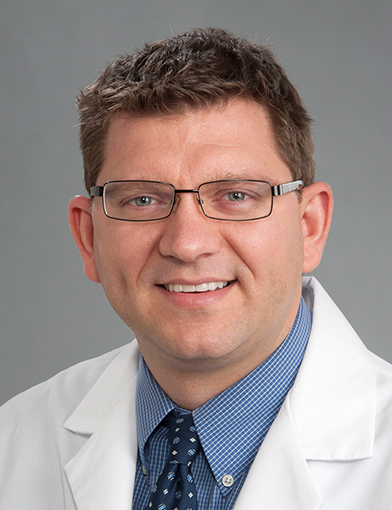
Ronny Otero, MD, MSHASAEM Bylaws Committee member
Medical College of Wisconsin
I am an Emergency Physician with twenty years of clinical experience. My career has been devoted to serving the communities in which I practice, teaching undergraduate medical students and residents about our great specialty. Moreover, I have always striven to contribute to the academic mission of the hospitals in which I have worked by engaging in research and scholarship. SAEM is the premier organization that represents physicians who continuously work towards advancing the specialty of Emergency Medicine. As such, I have been active in SAEM since I was a resident. Since joining, I have served as a member of several interest groups and academies over the years. My experience as a clinician, researcher, educator, and administrator will provide a solid background for consideration as a member of the Bylaws committee. My knowledge of the practice of academic Emergency Medicine allows me to provide expertise in issues which the Bylaws committee will likely deliberate upon. I pride myself on being able to consider innovative solutions to problems frequently encountered in our specialty. If there is an area in which I do not have a sufficient fund of knowledge, I will study the problem and simultaneously call upon my extensive network of colleagues to seek the expertise needed to help guide our SAEM board.
If selected for the Bylaws committee, I will strive to provide excellent, detailed, and thoughtful counsel to the board so that all of our communities receive evidence-based and equitable care.
-
Judy Linden, MDSAEM Nominating Committee member
Boston Medical Center BU School of Medicine
I have dedicated my career to training residents and students, and researching gender-based violence and disparities in medicine. I have been a SAEM member for over 25 years, and have played an active role in many AWAEM committees. The relationships and connections that I have made through AWAEM have influenced my development as a leader. I have been a member of the SAEM Scientific Assembly Programming committee, and Co-Chair of the speed mentoring program. I was privileged to have the opportunity to attend the AACEM chair development program which helped me further develop leadership skills and confidence. Having co-authored many articles documenting disparities in women and minorities in EM leadership, I am acutely aware of the need to present a diverse slate of candidates for leadership. As a member of the nominating committee, I welcome the opportunity help our society in continued efforts to increase the slate of diverse leadership candidates. I believe this is one of the most visible ways to increase the number of women and under-represented minority role models in academic Emergency Medicine.
-
Al'ai Alvarez, MDSAEM Nominating Committee Member
Stanford Emergency Medicine
My long-term interest is to study the intersection of Medical Education, Process Improvement (Quality and Clinical Operations), Representation (Diversity), and Well-being (Inclusion/Belonging) through human-centered design. My academic and professional experience has provided me with an excellent background in understanding the drivers for professional fulfillment in medicine and its interplay on efficiencies of care, the culture of wellness, and personal resilience, as highlighted by Stanford WellMD’s Professional Fulfillment Model. Specifically, my work investigates the role of self-compassion and resilience in promoting belongingness and overcoming isolation and loneliness in medicine exacerbated by experiences of medical harm, vicarious trauma, implicit bias, microaggressions, and imposter phenomenon.
I graduated from the faculty fellowship at the Stanford Byers Center for Biodesign, where I explored the role of mindfulness in resuscitations. Furthermore, I co-directed and organized the inaugural High-Performance Resuscitation Teams Summit in May 2022 in Chicago, IL, in collaboration with Mayo Clinic and the Mission Critical Teams Institute, to understand commonalities among high-performing teams in healthcare, aerospace, sports, military, special operations, and fire rescue.
As an attending EM physician, I served as the Assistant Medical Director on Quality Education and Clinical Operations at the Santa Clara Valley Medical Center Emergency Department (ED), the busiest ED in Northern California. This role offered me direct insight into drivers of burnout through inefficiencies in clinical practice and the need for a culture of wellness, especially in quality improvement and peer review. As an Associate Residency Program Director at the Stanford Emergency Medicine Residency Program (2015-2021), I led initiatives to enhance personal resilience while advocating for improving the clinical and learning environment to improve well-being and professional fulfillment.
Currently, I am the Director of Well-Being and co-chair of the Human Potential Team at Stanford Emergency Medicine. I also serve as the Stanford EM Physician Wellness Fellowship Director. As the chair of the Stanford WellMD Physician Wellness Forum, I lead monthly discussions to understand how better to optimize clinical practice environments to improve well-being and professional work-life balance.
As Chair of the SAEM Wellness Committee (2022- ), we are spearheading the “October is #StopTheStigmaEM month,” which has been the most extensive campaign for SAEM, mobilizing national organizations in EM and leveraging social media to increase awareness and support efforts to humanize physicians, prioritize mental health, and normalize receiving mental health support.
Given my disparate physician leadership and clinical experience, I offer a unique and valuable perspective in serving on the Nominations Committee. I aim to continue fostering collaboration, empowerment, and self-compassion in academic emergency medicine's learning and work environment. This includes finding ways to recognize the work of academic EM physicians and EM bound trainees. -
Michael DeFilippo, DO, MICPResident Member
New York-Presbyterian - Columbia & Cornell
Michael DeFilippo, DO, MICP is a PGY-3 resident in emergency medicine at NewYork-Presbyterian - Columbia & Cornell in Manhattan, NY. He obtained his medical degree from Rowan University, where he served as class president and was also on the board for the diversity, equity, and inclusion council.
Prior to residency, he was a paramedic for ten years in New Jersey, wherein he was involved with education and training of paramedics and EMTs. He stays involved with EMS education, serving as medical director for education overseeing continuing education courses and FOAMed material for paramedics, EMTs, and prehospital nurses.
During these last two years, he has had the pleasure of serving as Member-at-Large on the RAMS board, and as the Chair of the RAMS Research Committee wherein he focused his work towards making research mentorship and educational resources accessible for residents and medical students. He hopes to continue to work on objectives within both SAEM and RAMS focused on resident and medical student engagement towards academic EM. He plans to continue work on increasing access to research opportunities, mentorship, and educational series for residents, medical students and junior faculty interested in academic emergency medicine. -
Ali S. Raja, MD, DBA, MPHImmediate Past President
Massachusetts General Hospital / Harvard Medical School
Dr. Raja is the executive vice chair of the Department of Emergency Medicine at Massachusetts General Hospital and a professor at Harvard Medical School. He holds a Master of Public Health from Harvard University, a medical degree and Master of Business Administration from Duke University, and completed emergency medicine training at the University of Cincinnati. He further advanced his expertise with a research fellowship at Brigham and Women’s Hospital.
Dr. Raja is board certified in emergency medicine and clinical informatics and is appointed to both the Department of Emergency Medicine and the Department of Radiology at Harvard Medical School.
An expert in the management of critically ill patients in both the emergency department and prehospital settings, Dr. Raja has served in various high-stakes roles, including as a critical care air transport team commander for the U.S. Air Force, a civilian flight physician, and a tactical physician for several local, state, and federal agencies. He has also served as a physician with MA-1 DMAT.
The author of over 200 publications, Dr. Raja’s current research focuses on improving the appropriateness of resource utilization and operations within the emergency department.
In addition to serving on the SAEM Board, Dr. Raja has been involved with the SAEM Foundation Board and has chaired the SAEM Program Committee and the Trauma Interest Group. He has contributed to several other committees within SAEM.
Dr. Raja is also on the board of the Massachusetts chapter of the American College of Healthcare Executives, where he serves as President-Elect, and he previously served as the editor-in-chief of the New England Journal of Medicine’s Journal Watch Emergency Medicine.
-
Stephanie Eucker, MD, PhDAssistant Professor of Surgery
-
Ava E. Pierce, MDSecretary-Treasurer
UT Southwestern Medical Center
Being a member of the SAEM Board of Directors has provided me the opportunity to contribute to strategic planning that will optimize the professional development of the academic emergency medicine community. It has truly been a privilege to be a member of this team that is working to ensure that SAEM provides opportunities that will be most impactful for its members. I would be honored to have the opportunity to continue to serve SAEM as Secretary-Treasurer.
I obtained my medical degree at Louisiana State University School of Medicine at Shreveport and completed an emergency medicine residency at Emory University School of Medicine. I am currently a Professor in the Department of Emergency Medicine at UT Southwestern Medical Center and work clinically at Parkland Health and Hospital Systems. I am the Associate Vice Chair of Outreach and Engagement for the Department of Emergency Medicine, the Director of the Emergency Medicine Research Associate Program, the Co-Director of the Joint Admission Medical Program at UT Southwestern, and previously served in medical student training as associate clerkship director. I completed the Medical Education Research Certificate Program, the AAMC s Healthcare Executive Diversity and Inclusion Certificate Program, and AACEM’s Chair Development Program. My research interests include medical education, diversity and inclusion, health equity, and cardiac resuscitation.
I have two decades of work in EM enhancing the careers of colleagues at UTSW EM. Serving as a board member has given me the opportunity to serve members of SAEM across multiple platforms. I have been actively involved in multiple academies, committees, and interest groups at SAEM. I have been involved in the Academy for Diversity and Inclusion in Emergency Medicine (ADIEM) since it was founded. As an executive committee member and President of ADIEM, I collaborated with multiple academies, committees and interest groups including AWAEM, CDEM, AGEM, the Simulation Academy, RAMS, and the Social Emergency Medicine and Population Health Interest Group. I have been a member of SAEM’s Diversity and Inclusion Task Force, Membership Committee, Ethics Committee, Equity & Inclusion Committee, Wellness Committee, Faculty Development Committee, and Workforce Committee.
SAEM has contributed tremendously to my professional development and being on the SAEM board has afforded me the opportunity to help promote the development of other academic emergency medicine faculty, residents, and medical students through SAEM. My goal as Secretary-Treasurer would be to continue to work with SAEM to make innovative changes and creative solutions that advance the mission and vision of the society. If elected to serve as the SAEM Secretary-Treasurer, I will continue to work with SAEM as it contributes to the evolution of emergency medicine’s expanding scope and supports the optimal, future workforce within academic emergency and acute care medicine. I will be instrumental in helping SAEM implement programs that increase resources for emergency medicine educators, increase resources to support emergency care research, increase the pathway for academic EM physicians, and build a culture of inclusion which will ultimately improve the delivery of emergency care for all patients. I will work to increase the number of SAEM grants to help support the development and retention of junior faculty, help to design programs to increase opportunities for medical students, residents, fellows, and junior faculty, and assist in the implementation of programs that promote personal and professional development and professional wellbeing. I am excited about the vision that SAEM has for academic medicine, and I would be honored to have the opportunity to continue to serve the organization that has been so influential in my professional growth. -
James Paxton, MD, MBAMember-at-Large
Wayne State University
I have been active within SAEM since 2008, serving on the SAEM Awards, By-Laws, Grants, Program, and Research Committees in a variety of roles. In 2024, I completed my terms as Chair of the SAEM Research Committee and Chair of the SAEM Bylaws Committee. The overarching theme of my work with SAEM has been to seek out novel ways to combine research and teaching. Within the Research Committee, I led the development of the inaugural Advanced Research Methodology, Evaluation and Design (ARMED) course, grew the Research Learning Series (RLS) from an abandoned concept into a monthly webinar series (which is still growing), prioritized the development of ARMED MedEd, led efforts to improve communication with federal funding agencies, formed initiatives to promote female and URiM EM researchers, and advocated for improved access to federal funding for acute care and medical education research. I am currently leading an SAEM Research Subcommittee charged with defining a national SAEM Research Training Curriculum, an ambitious but exciting project that I believe will ultimately yield a valuable resource for future generations of EM researchers.
My experience with the Bylaws Committee confirmed for me the importance of balancing respect for SAEM’s legacy and rich history as an organization representing academic EM physicians with the need to periodically review our mission as a modern organization. Since SAEM’s birth in 1989, we have grown and developed into a mature organization with different needs and priorities than our founders could have anticipated. Board members are charged with guiding the continued evolution of SAEM to ensure that our organization remains relevant in the modern world and continues to address the needs of our current members without losing sight of our mission to advance academic EM. If elected to the Board of Directors, I will continue to seek out novel ways to bring researchers and educators together. I will advocate for unity and collaboration within our organization, recognizing that each member of SAEM brings something valuable to our organization.
My educational background is fairly straightforward. I received my MD (2004) and MBA (2005) degrees from the University of Cincinnati, and completed EM residency at Henry Ford Hospital (Detroit, Michigan). Since completing residency, I have worked clinically in the EDs at Detroit Receiving Hospital (DRH) and Sinai-Grace Hospital (SGH). I am currently an Associate Professor of Emergency Medicine at Wayne State University (WSU) School of Medicine and DRH Director of Clinical Research. I recently completed a five-year term as Chair of the WSU MP2 Institutional Review Board (IRB), and am an active clinical researcher. I believe that my experiences in business administration, regulatory policy, and research administration will make me a well-rounded and valuable member of the Board.
If elected, I will continue to advocate for those who don’t yet feel represented within our SAEM membership and the broader EM community. I am grateful for the opportunities that I have been given to serve SAEM, and feel that these experiences have helped me to develop the confidence and competency that I needed as a clinician, scholar, and leader. But not everyone has had the same opportunities that I have had. As a Board member, I would work towards improving that situation by helping to create new leadership opportunities for individuals from a broad range of backgrounds, including those currently under-represented within our organization’s leadership, and empowering them to lead in their own way. SAEM has many incredible, talented and valuable members who currently feel marginalized or excluded from realizing their true potential within SAEM. As a member of the Board, I would prioritize finding and engaging those members who want to contribute but have not yet been given the chance. -
Bryn Mumma, MD, MASMember-at-Large
University of California, Davis
I am honored to be considered for the Society for Academic Emergency Medicine (SAEM) Board of Directors. SAEM has been an invaluable foundation for my career, providing mentorship, opportunities, and a community that have shaped my path in academic emergency medicine.
My academic journey began at the University of Pennsylvania School of Medicine and continued through the University of Pittsburgh Affiliated Residency Program. I completed a Research Fellowship at UC Davis, where I earned an M.A.S. degree in Clinical Research and joined the faculty. My research in cardiovascular emergencies with a focus in sex and gender disparities has been funded by both the NIH and private foundations. I have co-authored clinical guidelines for SAEM Guidelines for Reasonable and Appropriate Care in Emergency Medicine (GRACE) and the American Heart Association. I am currently the Director of the Women in Medicine and Health Sciences program for the UC Davis School of Medicine, Physician Lead for the Emergency Medicine Data Curation Unit, and Chair of the Diversity, Inclusion, and Equity in Emergency Medicine Research Committee. This combination of leadership roles has given me the ability to develop a strategic vision, collaborate with multidisciplinary teams, and implement data-driven changes while promoting equity for faculty, trainees, and patients.
I have been an active SAEM member since I was a medical student, regularly attending the SAEM Annual Meeting and participating on committees and task forces. I recently completed terms as Chair of two important SAEM committees: the Bylaws Committee and the Grants Committee. On the Bylaws Committee, I updated the SAEM Bylaws with focus on inclusivity for all members of the EM community and implemented periodic review of the SAEM Bylaws, policies, and position statements. I also developed a deep understanding of SAEM’s governance and commitment required from Board members. As Chair of the Grants Committee, I not only coordinated the successful review of a record number of applications to the SAEM Foundation but also restructured our application materials to lay the foundation for expansion of our grants portfolio. As a prior member of SAEM Foundation Board of Trustees, I also understand the vital connection between SAEM and the SAEM Foundation, which together have been instrumental in in launching and advancing careers in emergency medicine research.
Serving on the Board of Directors would be a natural progression in my commitment to giving back to this organization. My goal is to use my own knowledge and experiences to uplift others, providing them with opportunities to grow and succeed. As Emergency Medicine faces a rapidly evolving landscape—marked by the recent workforce report, unprecedented clinical volumes and patient boarding, and pressures on academic funding, and integration of artificial intelligence technology—SAEM’s leadership is critical to shaping our specialty’s future and supporting its members. I will actively seek ideas and feedback from all members, ensuring that everyone contributes to shaping a shared vision for our future.
I am committed to helping SAEM foster a supportive community, engage the next generation of Emergency Medicine physicians, and drive research that will advance care for our patients. As a well-rounded academic emergency medicine physician, my experience in research, education, and faculty development will enable me to be a strong contributor to the SAEM Board of Directors and achieve all aspects of the SAEM strategic plan.
I would be honored to serve as a member of the Board of Directors of SAEM and appreciate your support. -
Nicholas M. Mohr, MD, MSMember-at-Large
University of Iowa Carver College of Medicine
Thank you for considering me for re-election to the SAEM Board of Directors. During my term on the Board, I have witnessed the impact of SAEM and our members shaping the future of academic emergency medicine, and our future is bright. I originally ran for election to the Board because of my deep appreciation for the role SAEM has played in my own mentorship and career development, and now is my opportunity to give back through service to the SAEM community.
I am a Professor of Emergency Medicine, Anesthesia Critical Care, and Epidemiology at the University of Iowa Carver College of Medicine and the Vice Chair for Emergency Care Research. I completed residency training and was a Chief Resident at Indiana University, then I completed fellowship training in critical care medicine at Washington University in St. Louis. I am currently the Director of the Physician-Scientist Training Pathway in the University of Iowa Emergency Medicine Residency Program and the Director of the Emergency Medicine-Anesthesia Critical Care Fellowship Program. My research focuses on systems of regionalized care to improve outcomes for emergency care-sensitive conditions, and I direct the Telehealth Research Center at the University of Iowa. My research is currently funded by NIH, AHRQ, CDC, and HRSA.
I have been active in SAEM for over 15 years, most recently as the Chair of the SAEM Grants Committee, Chair of the Abstracts Subcommittee of the SAEM Program Committee, and a Member-at-Large for the SAEM Board of Directors. I continue to be passionate about how SAEM can provide mentorship and professional development opportunities, and I am particularly interested in supporting programs to enhance a diverse workforce pipeline of emergency medicine researchers. Our Society is strong and healthy, and I am excited about our future nurturing the education, research, and professional development of academic emergency physicians. I would be honored to continuing serving the Society on the Board of Directors. -
Michelle D. Lall, MD, MHSSecretary-Treasurer
Emory University
Dr. Michelle D. Lall, a board-certified emergency medicine physician, is an Associate Professor at Emory University. She has been faculty at Emory since 2013. She is also an Associate Residency Director and Medical Education Fellowship Director for Emergency Medicine. Prior to coming to Emory, Dr. Lall was an Assistant Professor at Wayne State University beginning in 2008. She was an Assistant Residency Director at the Sinai-Grace/Wayne State University Emergency Medicine Residency Program and the medical student clerkship site director at Sinai-Grace/Wayne State University beginning in 2009. Dr. Lall is a graduate of Wayne State University School of Medicine. She completed her residency and chief residency at Emory University.
Dr. Lall is actively involved in the teaching and supervision of medical students and residents. Her passion is graduate medical education, education research and scholarship. Dr. Lall’s primary interests are physician well-being and the negative impact of gender bias on equity and inclusion in medicine. She is interested in gender differences in burnout among physicians. She has previously presented didactics on physician well-being and gender bias in medicine at multiple signature regional and national annual meetings of medical educators. Dr. Lall is part of a national emergency medicine work group focused on exploring and addressing gender and racial bias and disparities in academic emergency medicine. Additionally, she is the lead author on two scoping reviews of assessment tools available to evaluate physician well-being.
Her professional memberships include: American College of Emergency Physicians – where she is a fellow, Society for Academic Emergency Physicians, Academy for Women in Academic Emergency Medicine - where she is the Immediate Past President, American Association of Women Emergency Physicians, and Georgia College of Emergency Physicians. She is also a member of the Delta Omega Honor Society. Dr. Lall is a recipient of the Momentum Award from the Academy for Women in Academic Emergency Medicine (AWAEM), which recognizes extraordinary efforts that further the mission and values of AWAEM. While at Sinai-Grace/Wayne State University, Dr. Lall was a two time "Faculty Teacher of the Year" award winner. At Emory, she has been the recipient of the “Faculty Advocate of the Year” award.
-
Jody A. Vogel, MD, MSc, MSWMember-at-Large
Stanford University
Jody A. Vogel, MD, MSc, MSW Vice Chair for Academic Affairs Department of Emergency Medicine Stanford University
It is an exciting and transformative time within our specialty with both challenges and opportunities related to our workforce, researcher pipeline, medical education, and practice across acute care medicine. In this era, thoughtful and empathic leadership is necessary. As a long-standing leader in the Society and academic emergency medicine, I have led multiple successful initiatives and would very much like to continue to serve in the role of Member-at-Large, leading efforts to effectively engage and support members while advancing the mission of the Society and our specialty.
I am Vice Chair for Academic Affairs in the Department of Emergency Medicine at Stanford University. I received a Master of Social Work from the University of Michigan and began my career as a social worker on the midnight shift in the Emergency Department where my interest in our specialty flourished. I subsequently obtained a Doctor of Medicine from Wayne State University School of Medicine, graduating with distinction in biomedical research. I completed residency training at the Denver Health Medical Center, serving as chief resident during my final year of training. Following residency, I completed a research fellowship and served as academic faculty at the Denver Health Medical Center. I am an active health services researcher with a history of grant support from foundations as well as the National Institutes of Health and the Agency for Healthcare Research and Quality.
Over the course of my career, I have been an active contributor to the Society beginning during residency and extending throughout my career, including my current service as Member-at-Large on the Board of Directors over the past three years. As a resident, I served as an active member of several committees, the Inaugural Chair of the Resident and Student Advisory Committee (which subsequently became Resident and Medical Students [RAMS]) and as Resident Member of the Board of Directors. As a faculty member, I have had the privilege of serving in many leadership roles in the Society, having led numerous committees and task forces and contributed to multiple annual SAEM strategic planning sessions. Highlights of my contributions to the Society include ten years of dedicated service on the SAEM Program Committee (PC), including two years as SAEM PC Chair, during which I led notable innovations such as: creation of novel program officer events, increased plenary abstracts; creation of the education keynote; expanded pediatric offerings; support for increased lactation areas and onsite childcare; webinars for successful abstract and didactic submissions; enhanced summit, forum, and symposium content; and increased networking events. Because of these successful innovations, during my PC leadership there was a record number of abstract and didactic submissions. More recently, I advocated for and am assisting with an innovative SAEM health professions education program designed to enhance the academic advancement and promotion of education-focused faculty. In addition, I have been an active member of the ACEP-SAEM Federal Research Funding Workgroup, Research Committee, Equity and Inclusion Committee, Wellness Committee, Awards Committee, Graduate Medical Education Committee, AWAEM, and ADIEM. I serve as a presenter and mentor for the Advanced Research Methodology Evaluation and Design (ARMED) Program and SAEM/Emergency Medicine Foundation Grantee Workshop and on the Editorial Board for Academic Emergency Medicine. I was elected to the Nominating Committee 2015–2017 and have been invited to serve on or lead task forces to improve the SAEM Consensus Conference, Academic Emergency Medicine, and SAEM Leadership Forum. Most recently, I helped lead initiatives to increase the number of emergency care investigators on NIH study sections. Through these excellent experiences and multiple leadership roles, I came to understand the essential role of the Society in improving our delivery of care to patients through education, innovation, and research. Moreover, I came to fully appreciate the benefits of the collaborative relationships developed through the Society which foster the exchange of knowledge and ideas that help improve patient care.
My goals for advancing members and the Society are multifaceted. The first goal would be to advocate for increased high-quality education, networking, and faculty development for educators, administrators, and researchers alike to facilitate the leadership skills necessary to advance our specialty. The second goal would be to increase mentorship and collaborative research opportunities for investigators with the intent of increasing competitive, successful applications for federal research grants. As part of this process, I would continue to promote increased participation by emergency care investigators in federal study sections, advocate for expanded research training opportunities (R38, T32, K12), and encourage medical scientist training programs as a venue to help streamline clinical and research training and increase PhD-level emergency care investigators. Third, I would continue to encourage active participation by junior faculty and residents within the Society so they may benefit from the Society’s valuable resources as they become the future leaders in our specialty. Early mentorship through the Society is vital for the development of these future academicians who will carry forth the Society’s mission. Fourth, I would continue to promote inclusiveness in the Society’s endeavors, products, and leaders. The goal will be to engage all academicians in the Society in a meaningful way to encourage the novel innovation and discovery that results from diverse perspectives, thereby strengthening our specialty. Finally, I would work to continue to strengthen our relationships with other emergency medicine organizations as collegiality and collaboration is key to our specialty’s success.
In summary, the Society has played an integral role in my development as an academician, and as Member-at-Large, I would encourage and foster opportunities for this same development for others so they may also benefit from the Society’s rich resources. My overall goal would be to strengthen the role of the Society as an influential leader in providing and advocating for emergency care research, education, and grants. I fully appreciate the many outstanding opportunities afforded by the Society, and it would be an honor to continue to serve you as Member-at-Large. -
Venkata Ramana Feeser, MDMember-at-Large
Virginia Commonwealth University Medical Center
My education includes BS in Health Policy and Administration from Pennsylvania State University (State College, PA), MD from George Washington University School of Medicine (Washington, DC) and emergency medicine residency at Johns Hopkins Hospital (Baltimore, MD). In addition to being a board certified emergency medicine physician and serving in leadership roles including most recently as interim chief quality and safety officer for VCU Health System from September 2020 through February 2022, I also have been taking on roles of increased responsibility within our national emergency medicine organizations. Specific to SAEM, my initial service began as a member of Research Committee, Ethics Committee and Grant Writing Workshop and more recently has included membership in AWAEM, ADIEM (Secretary-Treasurer 5/2020-4/2021), Equity and Inclusion Committee, and Membership Committee (Chair since 5/2021). I am running for SAEM Member-at-Large because I want to be a part of sustaining the great work that SAEM already does, and if elected, be part of a leadership team that is devoted to that never-ending quest for better.
-
Adrienne N. Malik, MDDirector, Research Training
The University of Kansas Medical Center
Dr. Malik is an Assistant Professor of Emergency Medicine (EM) at the University of Kansas Medical Center (KUMC) in Kansas City, KS, and is a core faculty member of the KU EM residency program. She received her MD from Saba University and completed her EM residency and ultrasound fellowship at DMC Sinai Grace Hospital in Detroit, MI. She currently serves as the Director of Research Training for the Department of Emergency Medicine, which includes overseeing trainee research projects and the bimonthly resident research workshop. Dr. Malik currently serves as PI for multiple investigator-initiated and industry-funded studies at KUMC and has been a member of the KU HSC IRB since 2020.
People List - Grid
-
-
-
-
-
-
-
-
-
Ali S. Raja, MD, DBA, MPHImmediate Past President
Massachusetts General Hospital / Harvard Medical School
-
Stephanie Eucker, MD, PhDAssistant Professor of Surgery
-
-
-
-
-
-
-
-