People
People List
-
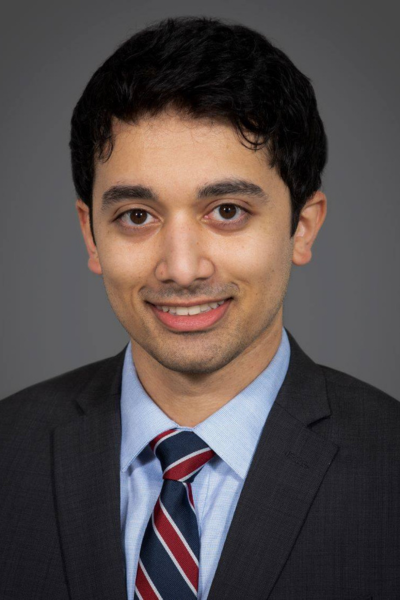 Salil Phadnis, MD
Fellow
Florida Atlantic University
Hello! My name is Sal Phadnis, I'm a third year EM resident at Florida Atlantic University. In 2024, I'll be starting a simulation fellowship at Indiana University with the goal of pursuing a career in EM GME. I'm currently a vice-chair on EMRA's simulation committee. I offer the perspective and feedback of a resident who has benefited significantly from a strong home sim program and recently traversed the fellowship app cycle.
It seems that a priority for the sim world right now is developing a more collaborative leadership body across different organizations and institutions that can collectively advocate for sim programs, establish standards for sim training, and foster interest in sim/med-ed among medical students and residents. I want to contribute to that goal by using my background to build stronger ties between Sim Academy and EMRA's sim committee, the latter of which i believe has the potential to reach a broader population of residents by virtue of ACEP's sheer size. In particular, my intention is to foster a more visible pathway to sim mentorship for residents and collaborate on exhibits for students and residents at EM conferences to build interest in the various career opportunities in the sim world. -
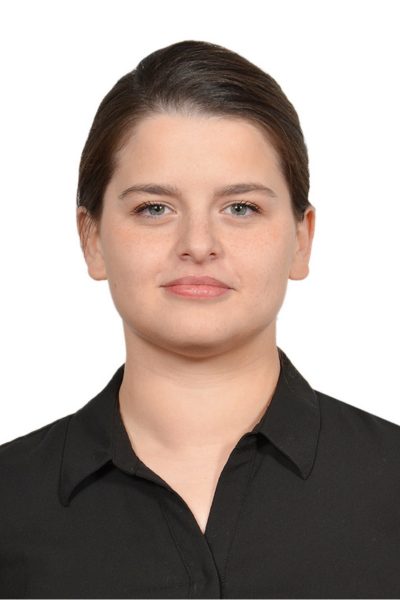 Nora McNulty, MD
Fellow
Vanderbilt
I am Nora McNulty, current PGY4 and Conference Education Chief Resident at the Jacobi-Montefiore emergency medicine residency program. I have also been honored to have been chosen as the simulation fellow for Vanderbilt University Medical Center for the 2024-25 year. My role as chief resident, specifically in the world of conference education, has given me experience in a developing a year-long curriculum for junior and senior residents, developing new and innovative ways to teach emergency medicine topics, and to invite lecturers from outside institutions to our program. This experience has given me many tools in the fields of planning/development, communications and public & media relations, and organizational development.
I am running for office in an effort to build on the goals already set in place by the simulation academy through its mission statement. The portion of the mission statement most important to me and why I am running is to advance the role of simulation as an effective method for competency in emergency medicine among learners. Throughout my time in residency, I have played a role in designing unique simulation experiences that use simulation not only as a tool to grasp bread and butter emergency medicine topics, but also to develop a greater understanding of the greater world of medicine - one outside of diagnosis and treatment. My interest in simulation lies in how simulation can be used as a tool to bridge the gap between patients and their providers; opening up worlds to our learners that they may not have otherwise come in contact with. -
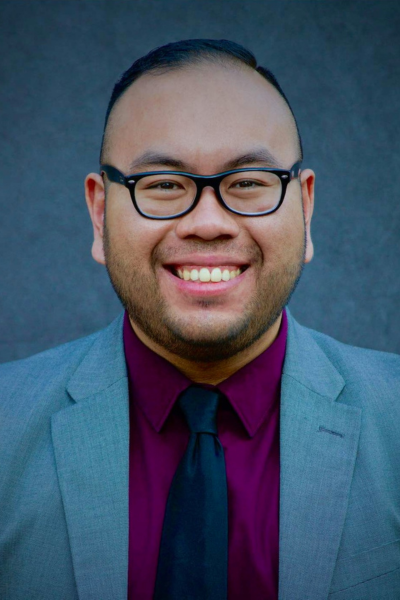 Andrew Melendez, DO
Fellow
Yale Center for Healthcare Simulation
I am excited to express my interest in the Fellow position for the Simulation Academy Executive Committee. Throughout my journey, I've consistently sought out opportunities to expand my knowledge of simulation as a powerful tool for education, training, and quality improvement. I had the wonderful opportunity during my residency training to rotate at the second-largest simulation center in New England. The Center for Education, Simulation, and Innovation serves a diverse range of learners that includes residents, nursing, medical students, S.W.A.T., EMS, the United States Armed Forces, and other continued medical education learners. This experience pushed me to increase my creativity in teaching approaches to a wide audience of learners and further demonstrated to me the impact Simulation education can have on healthcare.
I have also discovered several areas of interest while building my foundation in simulation-based education. One area is the professional development of the next generation of residents and medical students, especially those who are underrepresented in medicine. Simulation offers an opportunity to level the playing field for underrepresented students who may have faced barriers or disparities in their education by providing a standardized environment. I have been involved in this area through various positions, such as my national role as a residency liaison for the Latino Medical Student Association in medical school, leading a Latinx Affinity Group during residency, and participating in the Emergency Medicine Diversity, Equity, and Inclusion Committee at the University of Connecticut. Moreover, it has also been my goal as a Chief Resident to provide mentorship for the personal and professional development of residents and medical students interested in pursuing academic careers to increase diversity among faculty in medical education. I strongly believe that simulation can equip students with the tools to reduce health disparities and promote health equity.
If elected, I aim to contribute to the committee's mission and to represent the voice of residents and fellows in our joint goal for the advancement of Simulation in Emergency Medicine. -
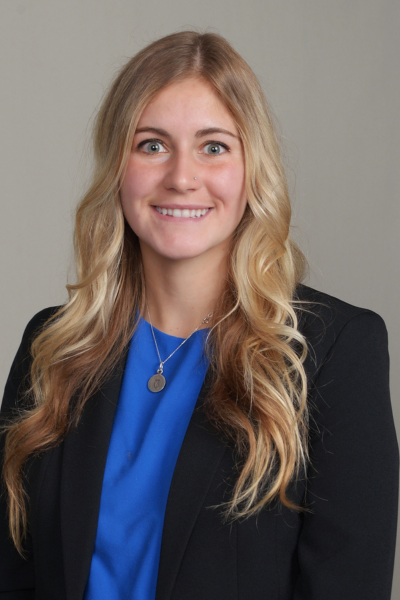 Taylor Cesarz, MD
Fellow
University of Wisconsin
My name is Taylor Cesarz and I am running for a fellow position on the SAEM Simulation Academy executive committee. I am currently a simulation fellow at the University of Wisconsin-Madison. My journey with simulation started during residency. Early on in residency, as a learner, I found myself gravitating toward simulation as a way to explore knowledge deficits and enhance my own learning in an engaging way. As I progressed through residency, I found myself becoming even more passionate about simulation from the perspective of an educator, and I began getting involved in simulation education for medical students and co-residents. I am seeking out a position because I want to find ways to connect to the larger simulation community and effect change on a national level.
Throughout residency, I was fortunate to have had a lot of exposure to simulation, providing me the chance to continually learn new skills to use during simulation education. I have had numerous opportunities to both design and run scenarios as well as practice important simulation principles such as pre-and debriefing. I was also able to help write and facilitate a case for the 2023 SAEM SimWars. Perhaps my favorite project, and the one which solidified my decision to pursue simulation as a career, was creating a multi-institutional gamified simulation race for emergency medicine residents. My motivation for this project stemmed from my enthusiasm for both innovation and gamification in resident education. Both SAEM SimWars as well as EMRA MedWars played a part in my inspiration.
While I was creating this race, I scoured the internet for resources to help me in the design; while there were some resources available, they were not always easy to find. I quickly learned how many hours of dedication and resources it takes to host a successful simulation event. With a national network like SAEM, I believe there are many simulation projects that may be useful to other members of the simulation community. As medical education continues to evolve, I foresee many more innovative simulation projects on the horizon. With that being said, it would be my goal to bring this spirit of innovation to the committee and develop forums for members to easily search for and/or exchange ideas of projects and resources to promote simulation and advance medical education, national collaboration, and simulation research.
My experience as a fellow thus far has taught me the importance of a collaborative community in the simulation and scholarly world. For fellows and junior faculty, navigating the challenges of transitioning to a new attending role while developing the skills to become leaders in simulation education can be difficult. I would like to work with other members of the executive committee to create support and mentoring opportunities for different levels of simulationists. My hope is to be able to create resources for project development, publishing simulation research, and the opportunity to receive mentoring from more senior leaders for our simulation committee members. -
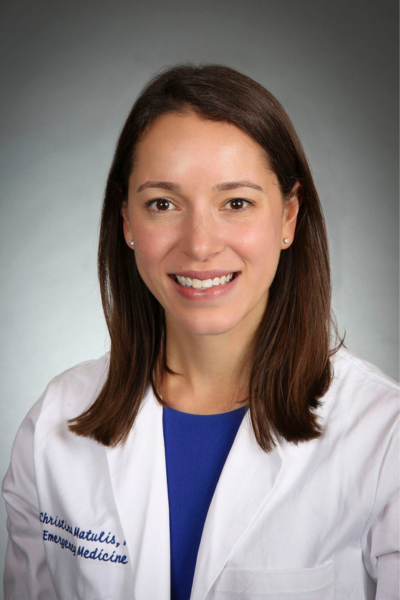 Christina Matulis, MD
Vice President of Social Media & Communication
Kaiser Permanente San Diego Medical Center
My name is Christina Matulis and I am applying for the position of Vice President of Social Media and Communication. I completed my emergency medicine training at the Alpert School of Medicine of Brown University/Rhode Island Hospital followed by a simulation fellowship at Yale University and the Yale Center for Healthcare Simulation. Currently, I am practicing as an emergency physician at Kaiser Permanente San Diego Medical Center where I am also involved in simulation for the residency program and have an interest in expanding interprofessional simulation at our community sites.
Previously, I served as the inaugural fellow on the SAEM Simulation Executive Committee for the 2022-2023 year. During this time, I established an early career physician subcommittee within the Simulation Academy to provide mentorship, support, and networking opportunities for medical students, residents, and early career physicians. Through collaboration with the SAEM committee at large, I helped increase membership and helped host several mentorship talks throughout the year with leaders in the simulation community. In the past year, I have stayed active in the SAEM simulation academy.
As an early career physician, the SAEM Simulation Academy has provided me with crucial mentorship and networking opportunities that have fostered career growth. I want to ensure that we continue to grow our presence within the emergency medicine community so that as many members can benefit from the Academy’s offerings as possible. If elected as the VP of social media and communication, I will continue to grow the presence of the SAEM Academy to increase our membership, with a particular emphasis on early career physicians who are shaping the future of simulation in emergency medicine. Early on in my position, I will assess areas of success as well as improvement for communication, so that we ensure we are reaching all eligible SAEM members who could benefit from membership to our Academy. I will also continue to increase awareness of our committee at national conferences so that we can create meaningful collaborations nationally, both virtually and in-person. -
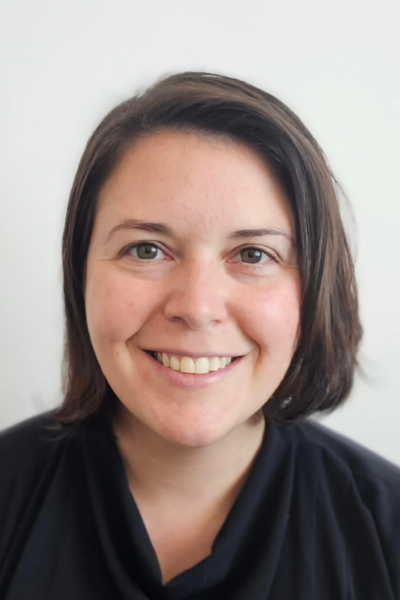 Heather Hechter, MD
Vice President of Social Media & Communication
Emory University School of Medicine
I am running for the SIM Academy’s VP of Social Media and Communication because I want to bring our community closer together, continue to grow member engagement and foster collaborations between individuals and institutions. I trained in emergency medicine at the University of Connecticut and stayed for fellowship in medical simulation at the Center for Education, Simulation and Innovation (CESI)/Hartford Healthcare. I have recently joined Emory University as simulation faculty and am a member of their education committee. Prior to medical school, I worked with the California YMCA’s Youth and Government program as an advisor for a 100+ member delegation where I started and oversaw their Instagram account. Additionally, I have contributed to the social media for my residency and fellowship programs. For SIM Academy, I have attended the last two annual meetings at SAEM, participated in the education committee and presented at this past SIM Fellow Forum. I am hoping to further contribute to the SIM Academy in this role by ensuring the website stays up-to-date and increasing our social media presence.
-
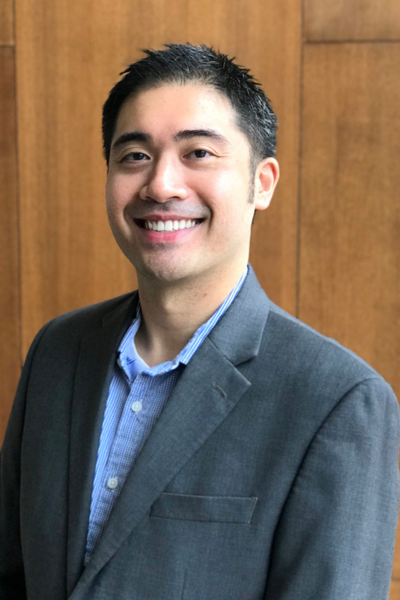 Aga De Castro, MD, MPH
Treasurer
Hartford Hospital / University of Connecticut
It would be an honor to serve as your next Simulation Academy Treasurer. I am currently the Assistant Fellowship Director for the Medical Simulation Fellowship program at Hartford Hospital in Connecticut. I also hold an academic appointment as an Assistant Professor of Emergency Medicine at the University of Connecticut School of Medicine. Before these roles, I graduated from Georgetown University School of Medicine and completed my Emergency Medicine Residency training at the University of Connecticut. I then completed my Medical Simulation Fellowship at Hartford Hospital, a UConn School of Medicine Level 1 Trauma Center affiliate, where I have stayed in my current roles.
I joined the Simulation Academy as a senior resident to learn more about our community. It was an eye-opening experience to have met so many other members with similar interests in simulation education. I have since been involved in promoting the Simulation Academy’s objectives as the current VP of Social Media and Communication. My role has increased the visibility and engagement of our Simulation Academy and have fostered a stronger online among our academic EM community. This experience has solidified my interest in continuing Simulation Academy’s goals in other ways I can.
I am driven to serve as your next Treasurer because I believe in the power of mindful planning. Given the many ways our Simulation Academy supports our members through various grants, scholarships, and events, it is imperative to purposefully allocate our financial resources in a way that drives our Academy’s objectives forward in a cost-effective manner. My professional journey has equipped me with a strong foundation in effective communication with multiple stakeholders. If elected, I hope to leverage my knowledge, skills, and passion as the next Treasurer to ultimately elevate the Simulation Academy experience for all involved.
-
 Diana Yan, MD
Secretary
Icahn School of Medicine at Mount Sinai
I have been on the SAEM Simulation Academy executive committee as a guest for the last year. I organize the bimonthly SAEM Sim Academy Mentor Hour Events. I have been on the SAEM Simulation Academy executive committee as a guest for the last 2 years as the organizer for SAEM Simulation Academy's mentor hour events. These events have been highly successful in bringing simulation leaders across the country to talk about their projects and career paths with the goal of us gaining a few invaluable pearls of wisdom. We have covered topics from community simulation to mixing QI with simulation to infusing communication learning objectives into high fidelity simulation. I will bring my organizational skills to this role as secretary and keep everyone on the same page.
-
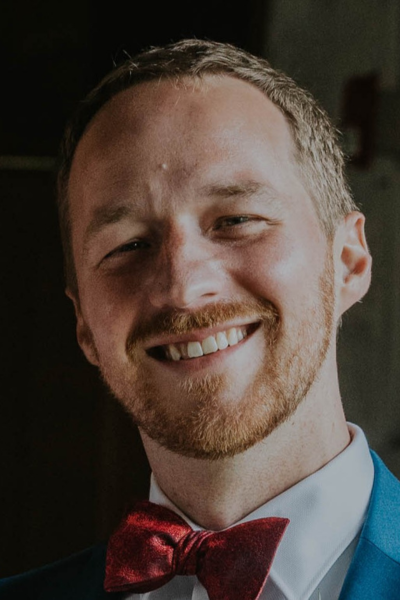 Michael S. Hrdy, MD, MSEd
Treasurer
Children's Hospital of Philadelphia
My name is Michael Hrdy, MD, MSEd and it would be my great honor to continue to serve as the Simulation Academy treasurer. Over the past year I have had the fortune to work with the rest of the executive committee to make sure we have the funding to support the needs of our members. Due to a successful membership drive, the Simulation Academy has been given a substantial increase over our previous budget and we’ve been able to fund new member benefits such as simulation innovations grants, travel scholarships and research awards, not to mention the fabulous membership mixers after major conferences. Over my first year as treasurer, I’ve built relationships that have deepened my understanding of the budgetary processes of SAEM and next year I’d like to see how much further we can go for our members. I would like to work closely with the rest of the executive committee to help identify new opportunities for providing novel benefits for our members with our recently increased budget.
I’m an assistant professor in the division of Pediatric Emergency Medicine (PEM) at the Children’s Hospital of Philadelphia and I am the assistant director of emergency medicine simulation education at CHOP. I have been developing and facilitating simulation sessions since my PEM fellowship and simulation is at the core of my academic career.
I have worked with the Simulation Academy since 2018 and as a result I have facilitated multiple Simulation Academy-sponsored workshops at national meetings and co-authored several simulation education publications, with several exciting collaborations still in process. -
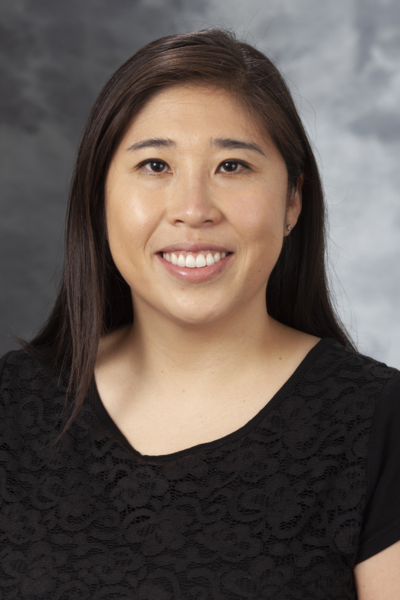 Michelle Hughes, MD
Treasurer
University of Wisconsin
I am an Assistant Professor and the Division Chief of Emergency Medicine Simulation at the University of Wisconsin School of Medicine and Public Health. I additionally am the Simulation Fellowship director and lead simulation-based education for residents, faculty, and advanced practice providers. Over the past several years, I have helped build a robust simulation division that supports learners at every level and advances educational innovation within my department and institution.
Within SAEM, I have been an active member of the Simulation Academy for many years, serving as Secretary, Member-at-Large, and liaison to AWAEM. These roles have given me the privilege of working closely with the Executive Committee and contributing to Academy initiatives including workshops, mentorship opportunities, and scholarly output. They have also deepened my appreciation for the Academy as a professional home that fosters collaboration, connection, and growth.
I am running for Treasurer because I value the Simulation Academy’s role in supporting its members and want to contribute to its continued growth and stability. Having worked closely with the Executive Committee in years past, I understand the importance of transparent financial stewardship to sustain initiatives, expand educational programming, and support member engagement. In my current role as Division Chief, I manage budgets across multiple educational programs and oversee a growing division—experiences that have prepared me to ensure that our resources are managed effectively and responsibly.
If elected, I will bring dedication, organizational experience, and a collaborative spirit to the Treasurer role. My goal is to align financial decisions with the Academy’s mission and to ensure that our resources directly support member engagement, innovative programming, and the advancement of simulation in academic emergency medicine.
-
 Tina Chen, MD
President-Elect
Saint Louis University
I am simulation director for the emergency medicine residency at Saint Louis University, as well as the associate dean of simulation and clinical skills for SLU School of Medicine. These roles have given me broad experience in designing and implementing high-yield simulation curriculum for clinicians at various stages of training, from pre-clerkship students to seasoned physicians.
I’ve served on the Simulation Academy executive committee since 2020, as member-at-large, vice president of the education subcommittee, and secretary. During my terms, I’ve acquired a holistic view of the Simulation Academy’s activities across all its subcommittees, as well as its position within the broader Society for Academic Emergency Medicine. Additionally, I’ve focused on building a robust community for simulation educators to connect and collaborate with each other, resulting in multiple national conference presentations, manuscripts, workgroups, and other instances of scholarly work. Organizing these initiatives required strong communication skills, future-oriented thinking, and a commitment to supporting and uniting team members’ goals, contributions, and perspectives - all useful strengths for the president-elect role.
In running for the president-elect of Simulation Academy, I hope to continue a culture that welcomes simulation educators to a connected national network. Simulation Academy has been integral for my professional growth. By building opportunities for Simulation Academy members to network and share ideas, I hope to create the same growth opportunities for others. As president-elect, I will strive to ensure the Simulation Academy remains a community that champions member interests, generates collaborative scholarship, and accelerates career growth. -
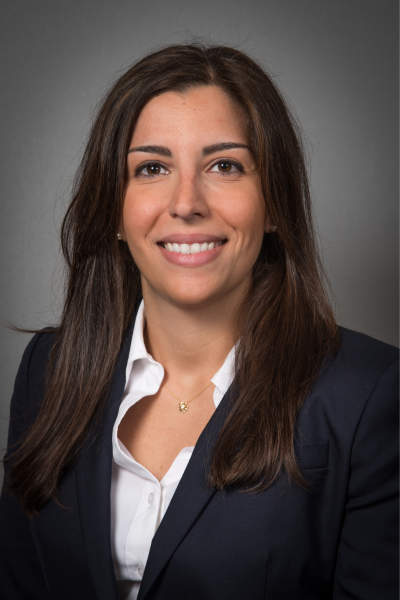 Tiffany Moadel, MD
President-Elect
Zucker School of Medicine at Hofstra/Northwell
My name is Tiffany Moadel and It would be my privilege to serve you as President Elect of the Simulation Academy. I’m currently an Assistant Professor of Emergency Medicine at the Zucker School of Medicine at Hofstra/Northwell and serve as the Healthcare Simulation Fellowship Director within the Emergency Medicine Service Line at Northwell Health and the Director for Simulation at North Shore University Hospital, Northwell Health.
Prior to my current position, I completed a Medical Simulation Fellowship at the Yale School of Medicine and continued for two years as the Director for Medical Student Simulation at the Yale School of Medicine and the Yale Center for Medical Simulation. In 2018, I was the recipient of the SAEM Simulation Academy’s Young Educator Award.
I am currently serving my second term as Treasurer of the Simulation Academy. I am also a member of the Faculty Development, Education and Research Subcommittees. I was the lead for the Simulation Academy Research Consultation Service from 2021-2023. Also, as the President of the CORD Simulation Community of Practice in 2021, I worked to develop the Simulation Consult Service as a joint initiative between the Simulation Academy and CORD.
In my current role, I’ve worked with the academy to ensure funding for valued member benefits, including scholarships for ARMED and ARMED MedEd, resident/fellow travel awards to the SAEM annual meeting, on-site food and drink at the meeting as well as a networking mixer, and funding for Sim Wars at SAEM. I have also worked with academy leadership to promote new open forum executive committee meetings for all members.
I look forward to the opportunity of serving you as President Elect of the Simulation Academy. My goals are to: (1) promote faculty development, academic promotion and the individual growth of our members; (2) support collaboration of members within the academy as well as with other major simulation-related organizations; and (3) continue to promote the need for experts in simulation within the house of medicine.
(1) Faculty Development: My top goal is to ensure that the Simulation Academy provides a wealth of resources to support faculty development and to help members at various stages in their careers advance towards promotion. I would like to develop a faculty development toolkit, to help guide individuals at various stages in their career on the path towards academic success and promotion. I would like to create a virtual grand rounds series, where our members can showcase their areas of expertise within a broad range of topics in simulation. I propose developing a guide to assist more senior members on writing strong letters of support for junior faculty applying for promotion and I would like the Simulation Academy to become a resource to help junior faculty identify letter writers.
(2) Collaboration: By creating a virtual directory, identifying members by their topics of interest and expertise, I would love to connect our members to allow the opportunity for discussion and collaboration. I hope to create communities of practice to connect individuals with shared interests (e.g. AR/VR, task training, UGME, late-career, etc.). I would also like to continue the work of our predecessors by promoting collaboration with other EM-based simulation organizations, such as CORD, ACEP, AAEM and SSH. I plan to continue in-person gatherings for Simulation Academy members and our collaborators at the major simulation and EM meetings.
(3) Promotion of the need for simulation expertise in medicine: As a body representing members with expertise in simulation and academic medicine, we will continue to promote the value of our work, its importance across the house of medicine and a method for learning across the spectrum of UGME, GME and CME. This will be accomplished through a social media campaign promoting the work of our members and through communication with other physician groups, governing and licensing bodies.
Thank you for considering my candidacy. I look forward to the privilege and honor of serving you as President Elect. -
 Emma G. Cortes, DO
Secretary
Brown University
I am an emergency medicine-family medicine physician, and current global health fellow at Brown University. I have been committed to helping GEMA grow through serving as the co-chair of the American Indian-Alaska Native Health Committee since 2022, and on the executive committee for the past 2 terms. As the GEMA program committee liaison, I helped plan the annual meeting for SAEM25. At this meeting, members from around the world shared their ideas and vision about the future of GEMA, and I want to continue serving to help make that vision a reality. I am excited to apply what I’ve learned from the past years to expand the GEMA community, amplify the voices of its members, and advance the mission of making global emergency medicine equitable and just.
-
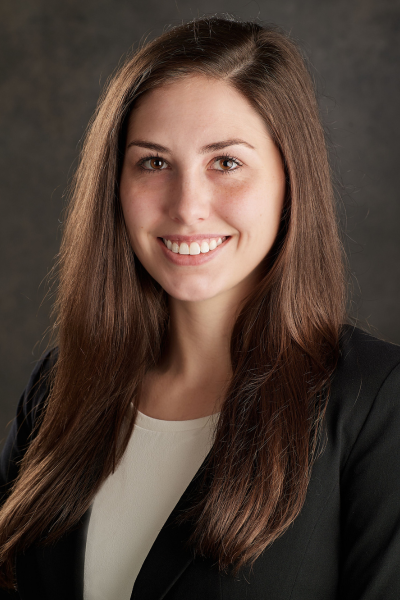 Kaitlin Rose
Medical Student / Resident Representative
University of Michigan
I went to Oakland University for my undergraduate education and then Central Michigan University for medical school. Currently, I am a PGY-2 at the University of Michigan. I was introduced to global health after participating in a Global Medical Brigade trip to Panama where we provided medical care to a community with limited access to health care. Since that time, I have been learning how to maximize health care access and humanitarian aid to low-resource communities. Additionally, during residency, I have been working with one of my mentors to research direct medical and surgical support and emergency medicine curriculum development in association with the war in Ukraine. Overall, I believe I am a good fit for the Resident Representative position for GEMA because I want to make a profound global impact in health care and I am passionate about involving learners at all levels, from medical students to residents, in these activities. I am also in the SAEM Climate Change and health interest group and have learned with my participation there how to effectively be involved as a resident in an interest group/academy.
-
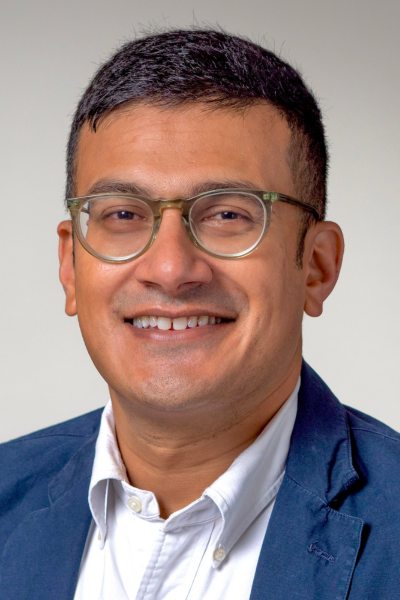 Vinay Kampalath, MD, DTMH
IT Chair
University of Pennsylvania
I am interested in the role of IT Chair for the Global Emergency Medicine Academy Executive Committee because I would like to support increasing the visibility of GEMA’s work. GEMA itself is growing in scope and membership, and this growth reflects the increasing interest in global emergency medicine among emergency medicine faculty and trainees across the world. I currently serve as Program Committee Liaison, where I am currently working on planning GEMA-related events at SAEM24. I am also Co-Chair of the Humanitarianism Taskforce, where we have invested in expanding the reach of our programming and diversifying our membership base. As IT Chair, I would continue these efforts by increasing the visibility of GEMA members’ work on our social media channels, with the aim of doubling our current social media following. My goals would be to advertise the breadth of our GEM work that reflects our diverse subcommittees and membership, and to specifically engage in outreach to emergency medicine communities in LLMICs. I hope these efforts will in turn contribute to GEMA's growth in membership.
-
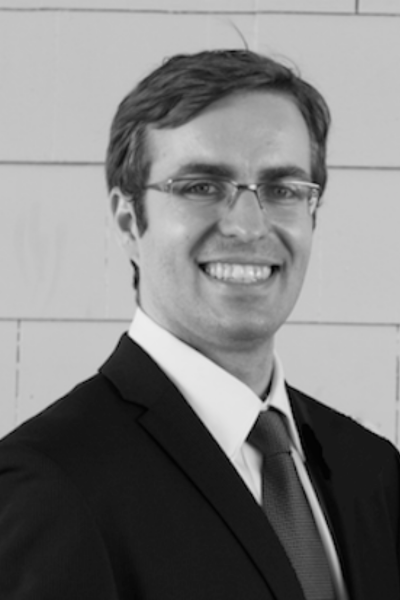 Florian Schmitzberger, MD, MS
SAEM Program Committee Liaison
University of Michigan
I've been on the GEMA executive committee for multiple years, having most recently served as the development and grants officer. I really appreciate the work of the executive committee and hope to continue working on it. As a member of the SAEM program committee, I would like to serve as the SAEM Program Committee Liaison for next year and continue the extremely strong work so far.
-
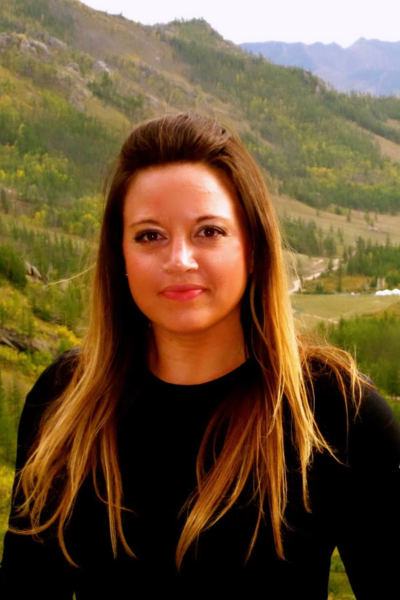 Katie Wells, MD, MPH
Member-at-Large
The University of Vermont
My name is Katie Wells. I am running for the GEMA Member-At-Large position to get more directly involved in GEMA’s mission. I have been involved with GEMA since matriculating into Emergency Medicine residency, and I currently serve on the Decolonizing Committee and the Global Engagement Committee. My original journey in medicine had been geared toward a career as an international trauma surgeon. I matched into an academic seven-year general surgery program and was asked to join a WHO Global Surgery committee as an intern. That soon developed into being the first fellow for the University of Utah’s Center for Global Surgery, the first global surgery fellowship in the country. I spent two years working in Mongolia, focusing on surgical and trauma system development and research with the Mongolian Ministry of Health and the national hospital system. During my fellowship, I obtained an MPH from the Johns Hopkins Bloomberg School of Public Health, focusing on disaster medicine and refugee health. During that time, I switched my focus to emergency medicine. While I loved operating, I realized that I loved learning about and developing elements of health systems more and felt that emergency medicine was a better fit. After applying to a GEMA showcase in Dallas, Texas, I found my people in Global EM. I met many people who advocated and networked for me at that event while applying for residency. GEMA was my launching pad as I went back into the match for Emergency Medicine. I have always felt indebted to this organization and to SAEM for giving me my first systems of support to build a career in Global EM. Therefore, I want to be more directly involved in its development and leadership. Since first joining GEMA, I have finished my global health fellowship, completed my residency in EM, and was recruited to the University of Vermont to start the first program in International Emergency Medicine, where I am currently the Director of International Emergency Medicine, as well as the University of Vermont Health Network Emergency Department Director of Health Equity. I was also recently selected as the inaugural Director of Social Medicine for the University of Vermont Larner College of Medicine. I am responsible for building curriculum and research in health equity and social justice while overseeing student involvement in social medicine programs. Since joining Vermont, we have built partnerships working alongside our Ugandan colleagues, and supported the development of the first Ugandan curriculum for emergency care nursing for the country, built a Rural Emergency Care Systems (RECS) rotation built for practitioners working in the international context which we piloted this year with Ugandan partners with the plan to expand this for our other international partners, built a partnership with AFEM and South African partners to explore equitable GH partnerships, built our first institutional multidisciplinary Global Health Equity fellowship starting this year, amongst many other initiatives.
Additionally, during COVID, I worked supporting local infrastructure building here in Vermont with the development of the first collaborative immigrant health program called the Immigrant Health Initiative (IHI), bringing in members of over 20 different University of Vermont Health Network departments, over 50 community partners and created the first salary funded hospital network immigrant community liaison position held explicitly by a member from our refugee community. We have also been working collaboratively with community and medical center partners to change statewide policy focused on immigrant health. We are growing our faculty exponentially, as well as our research capacity and our international collaborations with three other countries. I have had the privilege of learning from so many mentors and leaders in the Global Emergency medicine space, and I feel that my skill set in advocacy, network building, and strategy could serve GEMA well as it continues its growth into a group to meet the moment of change and sustainability in this decolonizing period. I would love to work directly as part of GEMA leadership to facilitate collaboration with other international EM organizations to create consensus and systems of accountability toward building equity in global EM partnerships.
If elected I would love to work with GEMA to push forward more research and scholarship focused on building equitable global health partnerships. I would like to lead GEMA in these efforts and liaise with other international EM organizations to facilitate building systems of accountability and change in current global EM practices. -
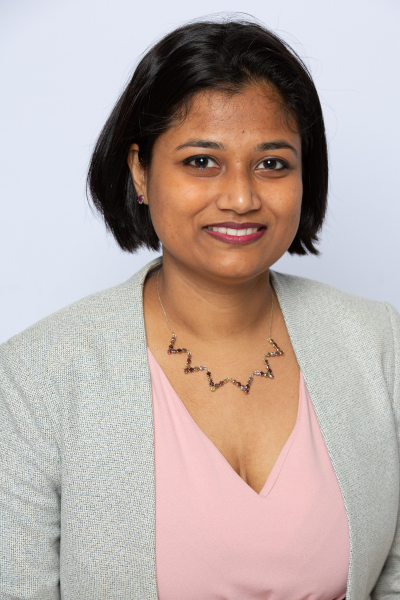 Chathuri Kaushila Thilakasiri Modarage, MD
Member-at-Large
Oxford University Hospital NHS Trust
I am writing to express my strong desire to join the esteemed Society for Academics in Emergency Medicinem, Global Emergency Medicine Academy. It is with great enthusiasm that I present my candidacy for this prestigious organization, and I believe that my background, experiences, and dedication to the field of emergency medicine make me a valuable candidate.
As an emergency physician from Sri Lanka currently pursuing a combined fellowship in simulation and emergency medicine at Oxford University Hospitals NHS Trust, I have had the privilege of working in diverse healthcare settings and collaborating with professionals from around the world. My commitment to the advancement of emergency medicine is reflected in my active participation in various international organizations and committees.
I am honored to serve as the European Resuscitation Council Young representative for Basic Life Support and as a member of the Science and Education Committee of Basic Life Support in ERC since 2021. Additionally, I contribute my expertise to the ILCOR task force on first aid, furthering the cause of emergency care on a global scale. My dedication to professional growth is evidenced by my membership in the Royal College of Emergency Medicine and my role as a council member of the Sri Lankan Society of Critical Care and Emergency Medicine. In addition to the MBBS degree and MD in Emergency medicine I hold a diploma in Disaster Management from faculty of Medicine University of Colombo. I am currently pursuing a Post Graduate Certificate in Simulation at Brighton and Sussex University.
My research publications in the field of medical education and resuscitation reflect my commitment to advancing knowledge and improving patient outcomes. Notably, I have worked with the Society for Academics in Emergency Medicine (SAEM), contributing to the publication of "A toolkit for decolonizing global emergency medicine education." This project underscores my commitment to fostering inclusive and equitable education in the field.
Furthermore, my teaching commitments span a wide range of educational programs, from being a visiting lecturer at the University of Moratuwa to serving as a committee member of the Simulation Center at the Faculty of Medicine, University of Colombo. I am deeply involved in training healthcare professionals, including emergency nurses and ambulance service personnel, in life-saving skills such as BLS, ILS, and ALS. Moreover, I am proud to have contributed to the development of the National Ambulance Service's curriculum, "Suwaseriya."
One of my key passions is creating opportunities for women in emergency medicine, and I am proud to have been recognized with the global travel award of the Academy of Women in Emergency Medicine in 2020. I believe that diversity and inclusivity are essential for the continued growth and success of our field, and I am dedicated to fostering an environment where all voices are heard and valued. As a member of the IFEM Special Interest Group in Gender, I actively contribute to the global efforts to promote gender equality and inclusivity in emergency medicine.
In conclusion, I am deeply committed to advancing the field of emergency medicine through research, education, and advocacy, both locally and on a global scale. My extensive experience, combined with my passion for the field and dedication to inclusivity, makes me an ideal candidate for membership in the Society for Academics in Emergency Medicine Global Emergency Medicine Academy.
I look forward to the opportunity to contribute to the academy's mission and collaborate with fellow members to further advance emergency medicine worldwide. Thank you for considering my application. -
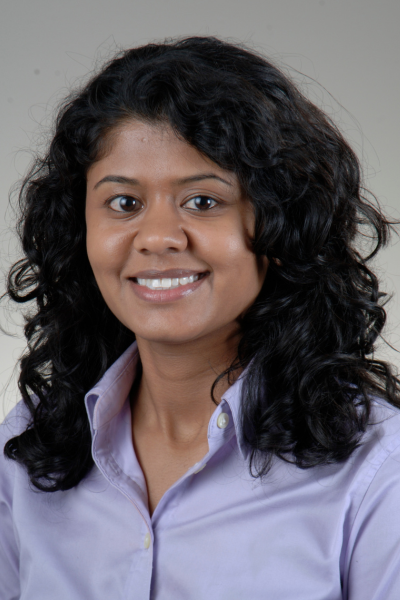 Sonya Naganathan, MD, MPH
Member-at-Large
University of Texas Southwestern Medical Center
My name is Sonya Naganathan, and I am an Assistant Professor in the Department of Emergency Medicine at the University of Texas Southwestern Medical Center. I received my MD from The University of Toledo College of Medicine and Life Sciences in Toledo, OH, and completed my emergency medicine residency at Washington University in St. Louis. I graduated from the Global Emergency Medicine fellowship at Brown University and its School of Public Health with my MPH in 2021. I joined the faculty at UTSW in October 2021. Over the last few years, I have been involved in various aspects of global health including research in resource-limited settings, large-scale development and delivery of COVID-19 response curricula, and domestic preparedness efforts. More recently, I have been working with colleagues in India and Nepal in the development of novel applications to bolster healthcare system resilience with regard to pediatric respiratory illnesses secondary to air pollution.
Thank you for your nomination for Member-at-Large. SAEM is a wonderful organization that truly encompasses what we do as academic emergency physicians. GEMA’s role in advocating and furthering the role of global healthcare delivery is an important part. It is equally important that we maintain our membership base and double our efforts for global engagement to carry out the mission of this Academy. In the last two years, I have held two different GEMA Executive Committee positions and feel that my experience in these roles will help support GEMA's mission over the next year. Thank you for your consideration. -
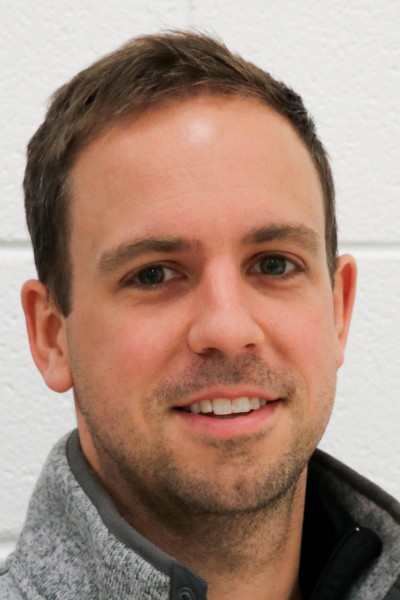 J. Austin Lee, MD, MPH
Treasurer
Indiana University
I have been glad to serve GEMA as the treasurer for the past two years and would be glad to continue to serve our community in this role. I've been an active member of GEMA for the past 8 years, and have served on a variety of GEMA committees. I have relevant experience as an active member on the IFEM finance committee, and am familiar with the SAEM budget cycle and financial management needs. I appreciate your consideration and the opportunity to serve!
People List - Grid
-
-
-
-
-
Christina Matulis, MD
Vice President of Social Media & Communication
Kaiser Permanente San Diego Medical Center
-
Heather Hechter, MD
Vice President of Social Media & Communication
Emory University School of Medicine
-
-
-
-
-
-
-
-
-
-
-
-
-
-