Guestimates, Estimates, and Survival Curves: Harnessing Science to Inform Emergency Department Prognosis for Seriously Ill Patients (Palliative Medicine Interest Group- and Critical Care Interest Group-Sponsored)
Each year, 1 in 10 Americans dies in the emergency department (ED), and more than half of older adults visit in their final months of life. These critical situations demand rapid, life-saving interventions and quick, often difficult decisions on goals of care. This session will explore the essential skill of prognostication for ED providers, addressing four classic death trajectories: sudden death, terminal illness, organ failure, and frailty. We’ll discuss the use of prognostic tools, managing emotionally charged conversations, and effectively communicating with families about end-of-life decisions. Attendees will gain tools and strategies to enhance bedside teaching and provide compassionate, patient-centered care in these high-stakes scenarios.
Learning Objectives:
- Describe the four core ED Trajectories of Death (sudden, terminal illness, organ failure, frailty), and address varying patient and family needs.
- Articulate the dying process stages from pre-active to active, utilizing this knowledge to communicate with families and decision-makers.
- Use prognostic tools, emergency medicine resuscitation research, and illness models to estimate seriously ill patient outcomes in the ED.
- Employ and teach communication strategies which effectively deliver prognostic information, improve goals of care conversations and enhance shared decision-making with critically ill patients.
Presenters:
- Satheesh Gunaga, DO
- Naomi George, MD
- Justin Kenneth Brooten, MD
- Moira Davenport, MD
- Fabrice I. Mowbray, PhD, RN
-
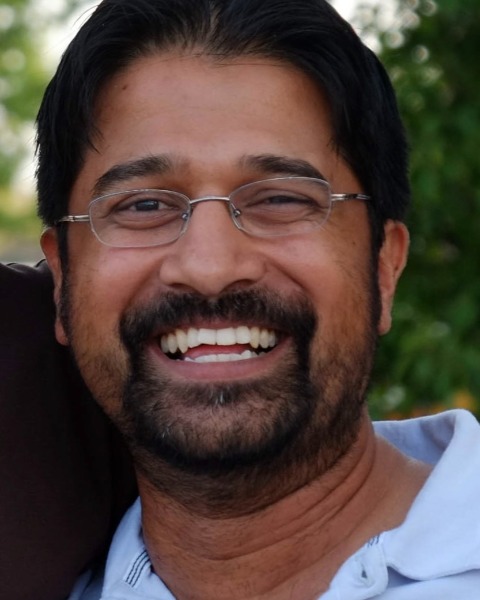
Satheesh Gunaga, DO
Henry Ford Wyandotte Hospital & Envision Healthcare
Satheesh Gunaga, DO, is a board-certified emergency medicine physician, educator, administrator, and clinical research scientist. He earned his Bachelor of Science in Psychology from the University of Michigan, Ann Arbor, and his Osteopathic medical degree from Michigan State University College of Osteopathic Medicine. He completed his emergency medicine residency at Henry Ford Health - Wyandotte Hospital.
With over 15 years of experience, Dr. Gunaga has practiced and taught Emergency Medicine within the Henry Ford Health System and Michigan State University. He served ten years as the associate EM residency director before taking on his current roles in 2019 as the Vice Chair of the Department of Emergency Medicine, EM Research Director, and EMS physician medical director at Henry Ford Wyandotte Hospital. He also holds the position of ED Medical Director at Henry Ford Health Center Brownstown.
Dr. Gunaga’s clinical research focuses on the safe transition of care for older adults and the integration of primary and specialized palliative care into the emergency department and prehospital settings. He is currently the chair of the Palliative Medicine Interest Group for the Society for Emergency Medicine, a member of AGEM's Geriatric ED Guidelines 2.0 Working Group, and serves on the board of directors at Compassion and Choices, the nation’s largest nonprofit organization advocating for end-of-life rights and resources. -
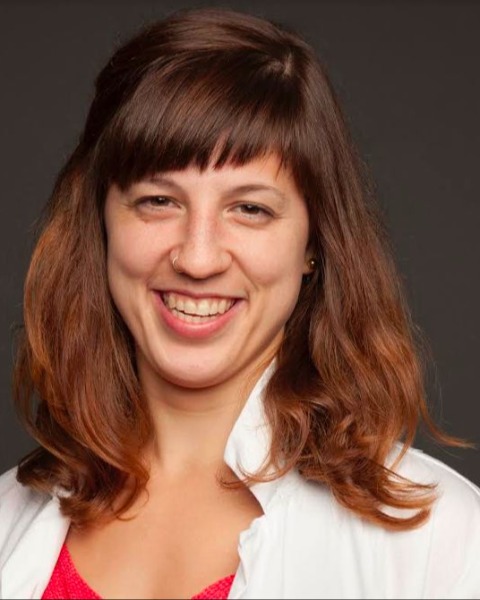
Naomi George, MD MPH
University of New Mexico
Dr. George is a critical care and emergency medicine physician and early-stage investigator whose goal is to improve long term outcomes for patients and families experiencing critical illness by addressing health-related social needs using a dissemination and implementation science approach.
-
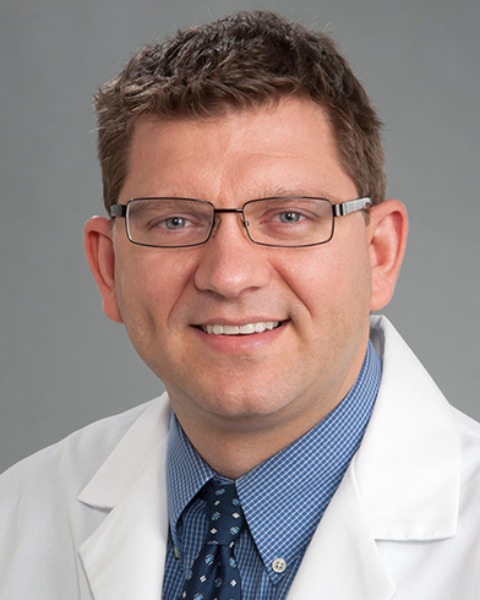
Justin K. Brooten, MD
Wake Forest University School of Medicine
Dr. Brooten currently serves as an Assistant Professor of Emergency Medicine, and the Associate Program director of the Hospice and Palliative Medicine Fellowship at the Wake Forest School of Medicine. He is dual board certified in Emergency Medicine and Hospice and Palliative Care and has appointments in the Wake Forest School of Medicine, Department of Emergency Medicine and the Department of Internal Medicine, Section on Gerontology and Geriatric Medicine. His research interests and educational endeavors focus on the emergency care of older adults and the early integration of palliative care in emergency medical care settings, including prehospital emergency care. In addition, he is interested in the use of clinical informatics methods and utilizing EMR systems to identify patients at high risk for in hospital mortality, and other patient populations who may benefit from early palliative care interventions. He is the co-founder and CEO of PalliEM.org, a website and podcast with the mission of providing free online medical education resources to clinicians interested in applying palliative care principles and skills in emergency medical settings. He completed his medical training at the Medical College of Georgia/UGA medical partnership, and his residency and fellowship training at the Wake Forest University School of Medicine, in Winston Salem North Carolina. He currently practices emergency medicine in community and academic settings, and is also an inpatient palliative care consultant at Atrium Health, Wake Forest Baptist. He is happy to call the beautiful piedmont region of North Carolina home, where he lives with his wife and two children.
-
Moira Davenport, MD
Allegheny Health Network/Allegheny General Hospital
Dr. Davenport is an emergency medicine and sports medicine trained physician. She is actively involved in resident education and serves as the associate residency director and medical education fellowship director. Dr. Davenport is a clinical professor of emergency medicine at Drexel University. Dr. Davenport has extensive experience caring for all levels of athletes, from elementary school children to Olympic and professional athletes.
-
Fabrice I. Mowbray, PhD, RN
Michigan State University College of Nursing & College of Human Medicine