How Prehospital Severe Stroke Screening Impacts Patients and Systems of Care: A Debate (Neurologic EM and Emergency Medical Services Interest Group Sponsored)
This session co-sponsored by the Neurologic Emergencies Interest Group and the EMS Interest Group will address controversies with prehospital screening and transport of patients with severe stroke syndromes. Recent attention has been focused on how emergency medical services (EMS) practitioners can identify patients with large vessel occlusion (LVO) acute ischemic stroke (AIS) who may benefit from direct transport to stroke centers capable of providing endovascular therapy. However, severe stroke screening carries important patient-level considerations, including how to best screen for severe stroke and its impact on outcomes of patients with and without LVO AIS. Additionally, direct transport carries important systems of care considerations for receiving emergency departments. Low specificity screens can lead to over-triage to thrombectomy-capable and comprehensive stroke centers, which in turn can negatively affect emergency department operations at higher level stroke centers and reduce appropriate patient encounters at primary stroke centers. In contrast, overly specific screens can lead to under-triage of LVO AIS, leading to the need for interfacility transfer and delays in definitive treatment. This session will present a debate among experts in the field about the advantages and disadvantages of prehospital severe stroke screening. The session will begin by describing severe stroke screening and an example from a large urban EMS system, followed by a debate of the patient-level pros and cons of prehospital severe stroke screening. Next, speakers will discuss how severe stroke screening affects emergency department operations at both referring and receiving stroke centers. Lastly, the session will discuss innovations to optimize stroke systems of care. Upon completion, attendees will define severe stroke screening and direct transport for suspected stroke patients, specify the advantages and disadvantages to severe stroke screening for patients and emergency departments, and identify future innovations to optimize stroke systems of care for severe stroke patients.
Presenters:
- Christopher T. Richards, MD, MS
- Craig Cooley, MD, MPH, EMT-P, FACEP, FAAEM, FAEMS
- Lauren E. Mamer, MD, PhD
- Peter D. Panagos, MD
- Lauren M. Nentwich, MD
- Cemal B. Sozener, MD, M. Eng., FACEP, FAHA
- Latha Ganti, MD
-
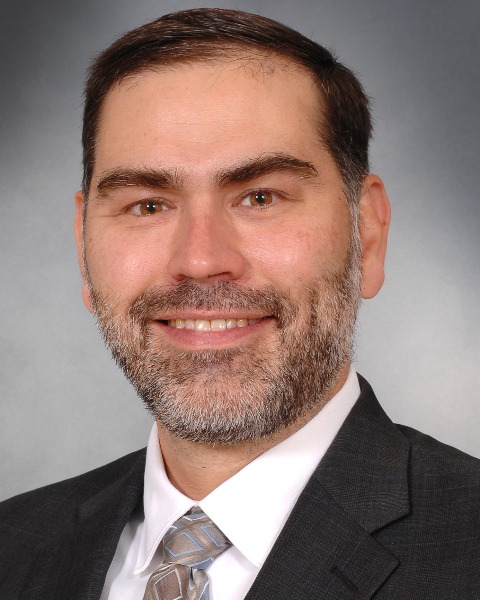
Christopher T. Richards, MD, MS
University of Cincinnati
Dr. Richards is an Associate Professor of Emergency Medicine at the University of Cincinnati and has an expertise in prehospital stroke care. He is a board-certified EMS physician and is the medical director of the UCHealth Mobile Stroke Unit as well as for several Fire-EMS agencies in Greater Cincinnati. He is also Co-Director and clinical faculty of the UC Stroke Team which provides acute stroke reperfusion consultation to over 30 emergency departments and hospitals in the Greater Cincinnati region. He has been on several national workgroups focusing on prehospital stroke care, including the NIH’s Brain Attack Coalition Symposium on Inequities in Access and Delivery of Acute Stroke Care and as the chair of the Acute Care Subcommittee of the American Stroke Association Advisory Committee.
-
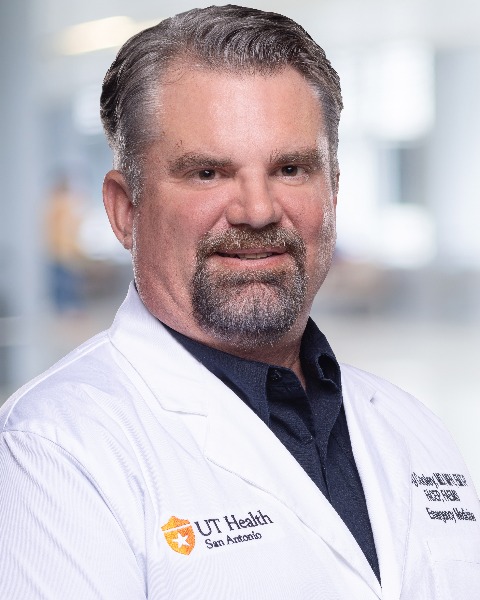
Craig Cooley, MD, MPH, EMT-P, FACEP, FAAEM, FAEMS
UT Health San Antonio
Craig Cooley MD, MPH, EMT-P is the EMS Division Chief and EMS Fellowship Director for UT Health San Antonio Department of Emergency Medicine, Deputy Medical Director for San Antonio Fire Department, and a Medical Director for the Texas Emergency Medical Task Force (EMTF) – Region 8. In these roles, Dr. Cooley provides radio/phone and on-scene medical control for SAFD, provides medical oversight during state disaster responses, and educates fellows, residents, and medical students through the different programs and rotations he helped develop that are offered at UT Health San Antonio. He is also part of the Office of the Medical Director that provides EMT and Paramedic continuing education to 1500 personnel per year. Among his involvement in several regional, state and national organizations, Dr. Cooley is a member of the Texas Governor’s EMS and Trauma Advisory Council (GETAC) Cardiac Subcommittee and is Chair of the Council of EMS Fellowship Directors with the National Association of EMS Physicians (NAEMSP). In addition to speaking frequently at the program and local level on several EMS topics, Dr. Cooley continues to speak regionally, nationally and internationally about EMS and EMS system development.
-
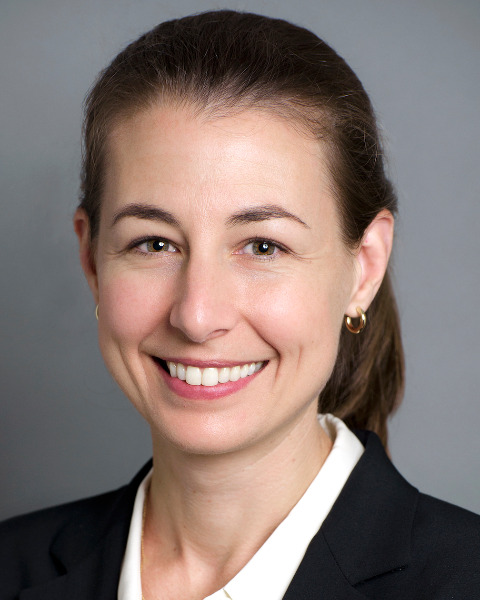
Lauren E. Mamer, MD, PhD
University of Michigan
Lauren Mamer, MD, PhD is a Clinical Assistant Professor in Emergency Medicine at University of Michigan and Hurley Medical Center. She completed a NINDS StrokeNet Fellowship, during which she focused on the composition of stroke teams. She has an enduring interest in cerebrovascular disease in the ED that has spanned projects across multiple modalities including large national data set analysis, health services research, quality improvement and medical education. She is currently a K12 scholar studying the application of blood-based biomarkers to risk stratification of TIA in the emergency department. Her current research interest is in optimizing the care of patients presenting to the emergency department with transient neurologic deficits, specifically the application of blood-based biomarker assays to the diagnosis of clinically silent ischemic stroke in these patients with the goal of optimizing secondary prevention and streamlining the diagnostic workup of neurologic complaints.
-
Peter D. Panagos, MD
Washington University in St. Louis
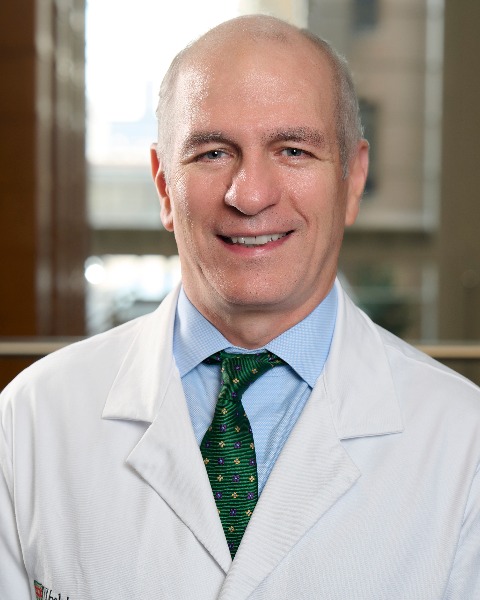
Dr. Panagos is currently Executive Vice Chair and Professor of Emergency Medicine and Neurology at Washington University in St Louis. He is a 1987 graduate of Dartmouth College. In 1994, he completed his medical education at Emory University. Following a year of surgical training at Naval Medical Center San Diego, he graduated and received his wings as a Naval Flight Surgeon in Pensacola, Florida. From 1996-1999, he was stationed in Okinawa, Japan from with the 3rd Marine Aircraft Wing. In 2002, he completed a residency in Emergency Medicine at the University of Cincinnati and subsequently completed a Neurovascular Emergencies/Stroke Fellowship at the same institution in 2003. At Washington University, he has served as PI for multiple NIH and Industry funded clinical trials including current Co-PI of NINDS StrokeNet (RCC 28). Starting in December 2023, he will serve as main PI of NIH/NINDS RCC 28 (MARCC), the largest national stroke trial network, StrokeNet. He is the Director of Neurovascular Emergencies in the Division of Emergency Medicine and Co-Director of the Barnes-Jewish Hospital/Washington University Stroke Network. He has severed in multiple leaderships for the AHA/ASA including Chair of Mission: Lifeline Stroke, the Emergency Neurovascular Care Committee (ENCC) and is the immediate past Chair of the ASA Stroke Council Leadership Committee. He is Associate Editor of Academic Emergency Medicine and an Emergency Medicine Oral Board Examiner.
-

Lauren M. Nentwich, MD
Harvard Medical School/Massachusetts General Hospital
Dr. Lauren Nentwich is Vice Chair for Clinical Affairs for the Department of Emergency Medicine at Massachusetts General Hospital in Boston, Massachusetts. She is an Assistant Professor of Emergency Medicine at Harvard Medical School. Dr. Nentwich earned her undergraduate degree in mathematics from the University of Chicago and her medical degree from Harvard Medical School. She completed her residency in emergency medicine at Boston Medical Center followed by an NIH research fellowship in neurology at Massachusetts General Hospital and Brigham and Women’s Hospital. Dr. Nentwich’s professional interests are in optimizing ED and hospital flow and capacity and developing processes to support emergency physicians and ED staff in the care of their patients.
-

Cemal B. Sozener, MD, M. Eng., FACEP, FAHA
University of Michigan
As a physician experienced in both prehospital and hospital education on acute stroke care, Dr. Sozener has worked with the INSTINCT research team at the University of Michigan and led past efforts in both qualitative and quantitative interventions and analysis for that study in addition to working with the numerous physicians, nurses, and other staff personnel throughout the entire INSTINCT network. Dr. Sozener is active in the NINDS StrokeNet Training Program and is co-director of the University of Michigan Comprehensive Stroke Program.
-
Latha Ganti, MD, MS, MBA
Orlando College of Osteopathic Medicine
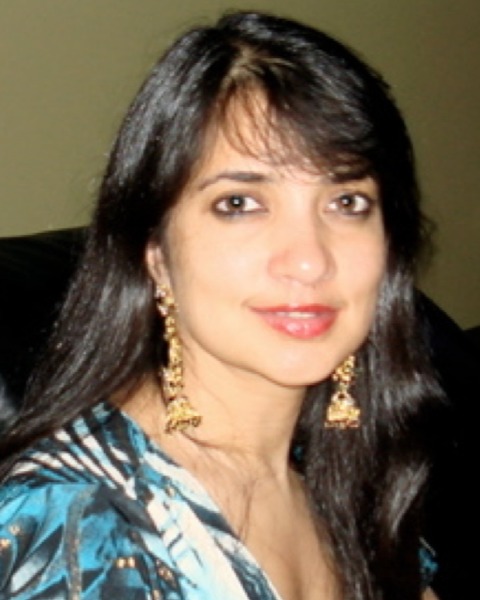
Dr. Ganti is Professor of Emergency Medicine at the Orlando College of Osteopathic Medicine and Associate Medical Director for Polk County Fire Rescue. Dr. Ganti has published extensively in neurologic emergencies, with high impact. Her Google scholar citations reveal an H index of 29, with more than 2,600 citations to her work just in the last few years and over 380 published manuscripts and abstracts.
Dr. Ganti’s expertise is in harnessing the power of data to solve clinical problems such as hospital re-admissions, practice inconsistencies, delays in hospital discharges, suboptimal emergency department throughput, low patient satisfaction scores, and lack of community awareness of medical emergencies. By approaching the operational issue from a scholarly perspective, her work is published, and thus affords better buy in from stakeholders. Throughout her career, Dr. Ganti continually paired her boots on the ground work experience with formal training. A few years after teaching herself how to data mine clinical information, she obtained a Masters in Clinical and Translational Research from the Mayo Graduate School. As her research became central to improving operational inefficiencies in the healthcare systems where she worked, she was sponsored to undertake the executive MBA at the Kellogg School of Management.
Dr. Ganti has a track record of leadership. She was the first Professor of Emergency Medicine at the Mayo Clinic College of Medicine, a charter member of the Mayo Clinic Center for Translational Science, and the inaugural Chair for the Division of Emergency Medicine Research, which she founded. Under her leadership, research productivity soared by 420%, and at one time, her research group showcased the maximum number of research presentations (3 out of only 8 oral and 17 out of 400 posters) at the ACEP Scientific Assembly. Her contributions to developing research enterprises have been recognized by the Mayo Clinic Lifetime Achievement Award for Outstanding Contributions in EM Research, and the Toral Family Foundation Endowed Professorship in Traumatic Brain injury.
Dr. Ganti is also a gifted teacher, as evidenced by her many teaching awards. She is the author of numerous books, including the First Aid Clerkship series, which are the num
ber one best sellers amongst medical students. Indeed, one of the talks she frequently is invited to give is titled: “Get Published Now!”
Dr. Ganti has won over 18 national awards, including the EMRA Academic Excellence award, ACEP National Faculty Teaching award, AMA William Beaumont Award, the first EMRA Mentorship Award and was celebrated as one of ACEP's “Heroes in Emergency Medicine”. She won the AMA YPS Award for Community Service, for her work on stroke research, education, and outreach- a program she titled BEST for “Better Early Stroke Treatment.” Dr. Ganti was also honored as a Fulbright Scholar for her project “Strategy & Innovation in Clinical Research for the Global Health Era.” Most recently, she was bestowed the AMA Excellence in Leadership Award and the Women Physicians’ Section “Inspirational Physician Award,” for her work mentoring women physicians.