Fail While Daring Greatly: Using Failure to Fuel Growth Calculated responses to Failure - Using failure to Fuel your growth
What is the secret to failing well? Failure inevitably affects us all, and managing it successfully is a professional development challenge faced by all academic physicians. How can we transform failure into productive learning that prevents future failure and leads to personal growth? Without the right framework, our mistakes can cause us psychological harm with little benefit. Growing up as high-achieving students rewarded for their intelligence and native abilities, many academic emergency physicians are naturally inclined towards a fixed-mindset. However, success in one’s academic career depends on adopting a growth mindset. People with a growth mindset see failure as an opportunity to learn; they see that intelligence is developed through effort and are willing to learn at all times and at all costs. Treating failure as an unspeakable term leads to negative consequences including avoidance, guilt, shame, and blame. In this didactic, we will use small group and large group discussions to facilitate a dialogue on the nature of failure and how we respond to it. Through this dialogue, the audience will analyze their own history with failure, consider maladaptive patterns and behaviors following failure, and identify beneficial ways to learn and grow from failure. The audience will leave the didactic able to list strategies that will allow them to constructively reflect on and grow from failure. By learning to fail well, participants can improve how they learn from errors and reduce future preventable errors.
Presenters:
- Jeff Hill, MD MEd
- Erin McDonough, MD
- Robbie Paulsen, MD
- Leonardo Aliaga, MD
- Jeremy Branzetti, MD, MHPE
-
Jeff Hill, MD MEd
University of Cincinnati
I am an Associate Professor in the Department of Emergency Medicine at the University of Cincinnati. I graduated residency training at the University of Cincinnati in 2012 and thereafter completed a 2 year Masters of Medical Education through the University of Cincinnati. I have been involved in residency leadership since the completion of my fellowship training with a particular focus on residency didactics, teaching residents to be teachers, and asynchronous/technology facilitated educational interventions. My scholarly work is focused in these content areas as well with original publications on the development and validation of a lecture assessment tool and using Slack to facilitate virtual small group discussions. In our Deparment I also serve as the chair of our Education Leadership Academy, the goal of which is to teach residents the management principles and skills necessary to be leaders in Emergency Medicine education.
-
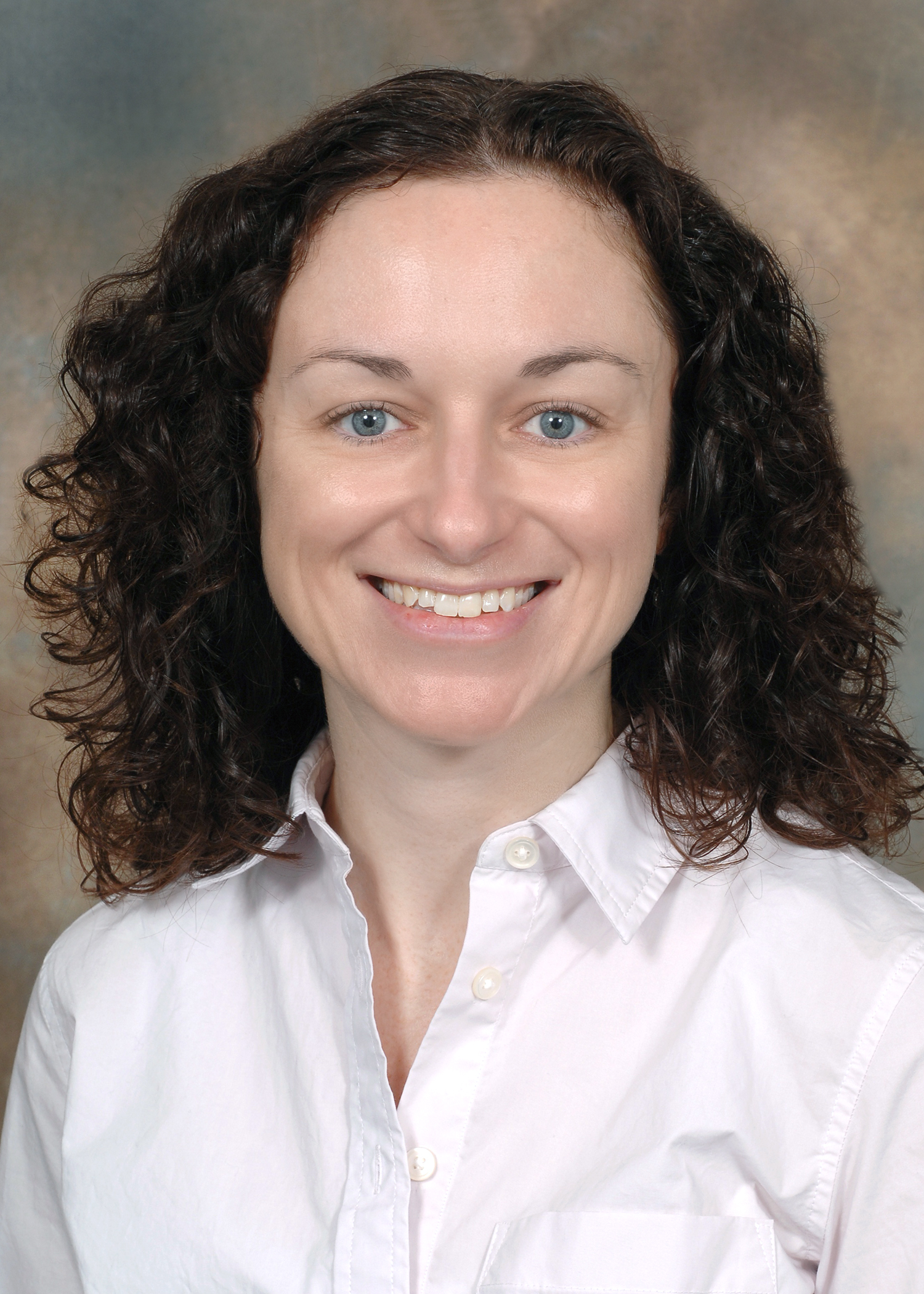
Erin McDonough, MD
University of Cincinnati
Dr. McDonough is the Residency Program Director and Professor of Emergency Medicine at the University of Cincinnati College of Medicine. She completed her medical school education at the Northwestern University Feinberg School of Medicine, graduating in 2004. She then trained at the University of Cincinnati, completing her Emergency Medicine residency training in 2008 (serving as Chief Resident in 2007-2008) and then a Neurocritical Care and Neurovascular Emergencies Fellowship in 2010. After training, she joined the faculty at UC as an Assistant Program Director for the Emergency Medicine Residency Program. She has served as Program Director since 2017.
-
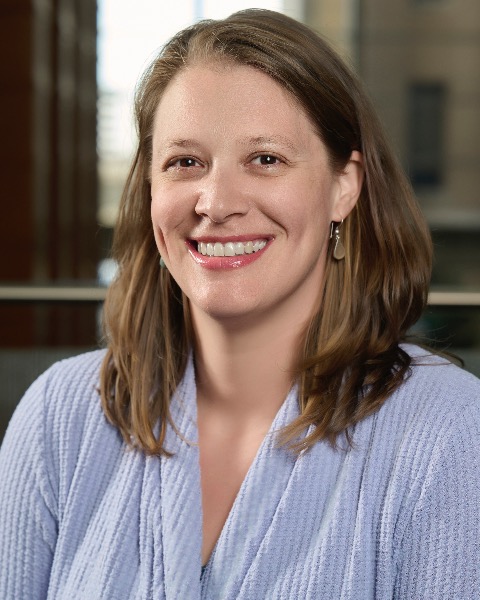
Robbie Paulsen, MD
Washington University in St. Louis
Since her graduation from the University of Cincinnati emergency medicine residency program in 2014, Dr. Paulsen has served in a number of leadership roles including Fourth Year Clerkship Director, Assistant Residency Program Director, and Director of Junior Faculty Development while junior faculty herself. She joined the Department of Emergency Medicine at the Washington University in St. Louis in September 2023 and currently serves as the Associate Vice Chair of Mentorship and Faculty Development. Her academic work to date has been in assessment methods, systems of mentorship and coaching, and career advising.
-
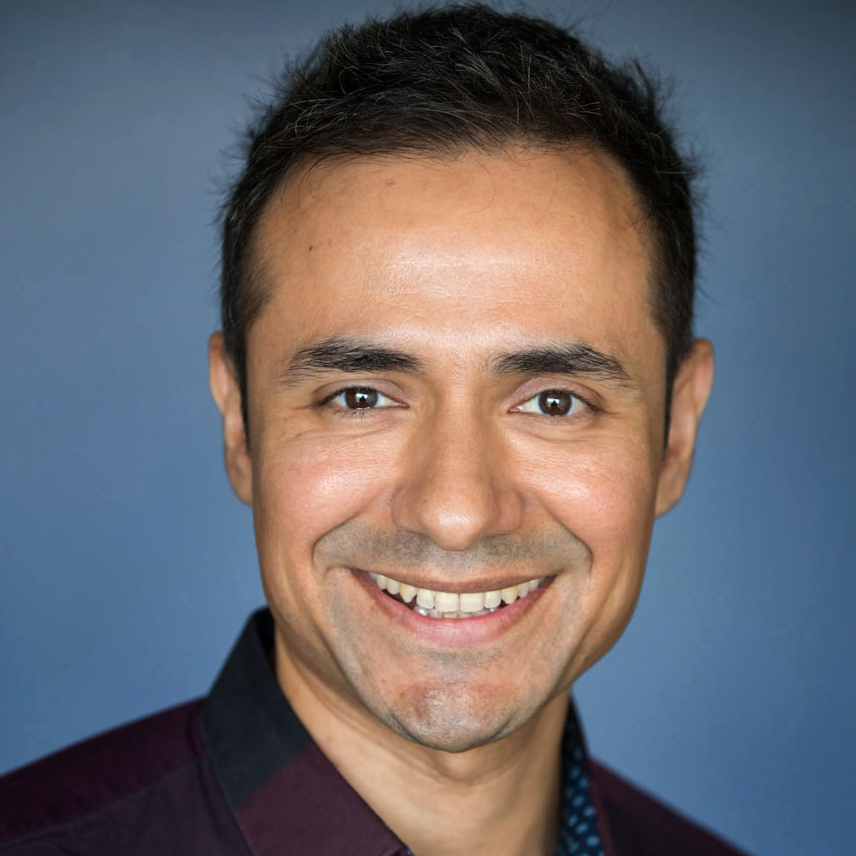
Leonardo Aliaga, MD
Chief Resident Physician
UC Davis Health
Leonardo Aliaga, MD, is a Clinical Assistant Professor in the Department of Emergency Medicine at Stanford University. He graduated from the University of Chicago Pritzker School of Medicine and began neurosurgery residency at the University of California Los Angeles. During that time, he discovered emergency medicine and switched specialties after four years of neurosurgery training. He completed his emergency medicine training at the University of California Davis and served as chief resident. Dr. Aliaga completed a medical education research fellowship at Stanford and is pursuing a Master of Health Professions Education degree at the University of Illinois at Chicago. Dr. Aliaga's education research interests include understanding how we learn from failure and how we can use errors to develop adaptive expertise. He has spoken both nationally and internationally on the topics of learning from failure and developing adaptive expertise.
-

Jeremy Branzetti, MD, MHPE
Associate Professor, Emergency Medicine
Yale University
Jeremy Branzetti, MD, MHPE, is a board-certified emergency medicine (EM) physician who received his doctorate of medicine from the State University of New York (SUNY) at Stony Brook and received his MD. He completed a four-year residency in EM at Northwestern University in Chicago, Illinois, and was chief resident in his final year. Subsequently, he obtained a Masters in Health Professions Education from Maastricht University’s School of Health Professions, and certification as a Leadership and Professional Coach through ACT/Brown University. He has over a decade of experience in GME leadership and medical education scholarship, with extensive expertise in evidence-based learning science, adaptive expertise, professional identity development, and coaching as a faculty development tool. He is the founder of Academic Educator Coaching, and strives to use his accrued experience in academic medicine to coach medical educators to chart meaningful careers on their own terms.