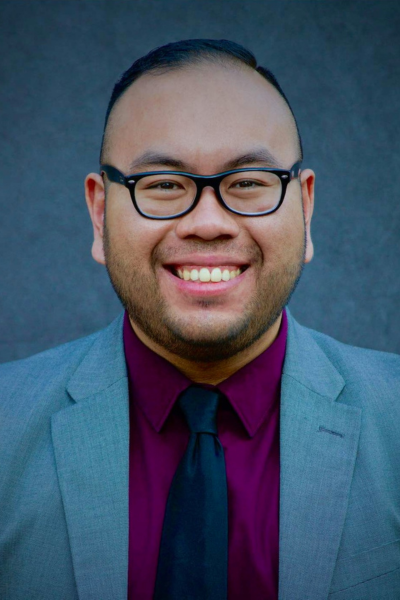
Andrew Melendez, DO
Fellow Yale Center for Healthcare Simulation
Biography
I am excited to express my interest in the Fellow position for the Simulation Academy Executive Committee. Throughout my journey, I've consistently sought out opportunities to expand my knowledge of simulation as a powerful tool for education, training, and quality improvement. I had the wonderful opportunity during my residency training to rotate at the second-largest simulation center in New England. The Center for Education, Simulation, and Innovation serves a diverse range of learners that includes residents, nursing, medical students, S.W.A.T., EMS, the United States Armed Forces, and other continued medical education learners. This experience pushed me to increase my creativity in teaching approaches to a wide audience of learners and further demonstrated to me the impact Simulation education can have on healthcare.
I have also discovered several areas of interest while building my foundation in simulation-based education. One area is the professional development of the next generation of residents and medical students, especially those who are underrepresented in medicine. Simulation offers an opportunity to level the playing field for underrepresented students who may have faced barriers or disparities in their education by providing a standardized environment. I have been involved in this area through various positions, such as my national role as a residency liaison for the Latino Medical Student Association in medical school, leading a Latinx Affinity Group during residency, and participating in the Emergency Medicine Diversity, Equity, and Inclusion Committee at the University of Connecticut. Moreover, it has also been my goal as a Chief Resident to provide mentorship for the personal and professional development of residents and medical students interested in pursuing academic careers to increase diversity among faculty in medical education. I strongly believe that simulation can equip students with the tools to reduce health disparities and promote health equity.
If elected, I aim to contribute to the committee's mission and to represent the voice of residents and fellows in our joint goal for the advancement of Simulation in Emergency Medicine.
I have also discovered several areas of interest while building my foundation in simulation-based education. One area is the professional development of the next generation of residents and medical students, especially those who are underrepresented in medicine. Simulation offers an opportunity to level the playing field for underrepresented students who may have faced barriers or disparities in their education by providing a standardized environment. I have been involved in this area through various positions, such as my national role as a residency liaison for the Latino Medical Student Association in medical school, leading a Latinx Affinity Group during residency, and participating in the Emergency Medicine Diversity, Equity, and Inclusion Committee at the University of Connecticut. Moreover, it has also been my goal as a Chief Resident to provide mentorship for the personal and professional development of residents and medical students interested in pursuing academic careers to increase diversity among faculty in medical education. I strongly believe that simulation can equip students with the tools to reduce health disparities and promote health equity.
If elected, I aim to contribute to the committee's mission and to represent the voice of residents and fellows in our joint goal for the advancement of Simulation in Emergency Medicine.