Transformative Feedback: Strategies for Effective Remediation and Improvement (CDEM- and Education Committee-Sponsored)
Effective feedback is essential for remediation and promoting growth in medical education. This workshop will explore advanced techniques for delivering constructive feedback that addresses performance gaps while motivating learners to improve. Participants will engage with evidence-based methods for providing feedback and creating remediation plans that enhance learning outcomes and support developmental progress. Through interactive activities, role-playing scenarios, and case studies, participants will learn to tailor feedback to individual needs, navigate common challenges, and implement strategies that foster meaningful change. The goal of this session is to equip educators with the skills needed to improve feedback practices and cultivate a supportive learning environment.
Learning Objectives:
- Analyze best practices for delivering constructive feedback and identify key components that contribute to effective remediation.
- Apply evidence-based strategies to provide personalized feedback that addresses performance gaps and fosters learner development.
- Evaluate and refine feedback techniques through role-playing and case studies to enhance their effectiveness in real-world educational settings.
Presenters:
- Kendrick Kennedy, MD
- Sree Natesan, MD, FACEP
- Brett R. Todd, MD
- Katarzyna M. Gore, MD, FACEP
- Sree Natesan, MD, FACEP
-
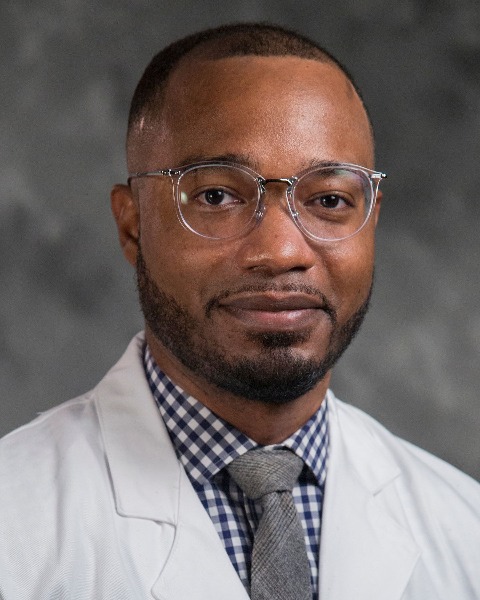
Kendrick Kennedy, MD
Duke University
Dr. Kennedy’s professional interests include advocacy, education, and service for marginalized populations. This includes working with community leaders to address social determinants of health and the emergency physicians' role in this process. Dr. Kennedy’s work within the community of Durham has given him an appreciation of strong community connections and the importance of understanding the resources that are available for the patients he serves. With that knowledge Dr. Kennedy strives to combine clinical knowledge, a great work ethic and a highly professional attitude to provide excellent patient care. -

Sree Natesan, MD, FACEP
Duke University School of Medicine
Dr. Sree Natesan is an Associate Professor and Associate Program Director in the Duke University Department of Emergency Medicine. She is committed to the advancement of education, clinical teaching/feedback, and diversity, equity & inclusion (DEI).
Regarding advancing medical education and fostering inclusive learning environments: She had had a broad clinical and research training including ACEP Teaching Fellowship, Academic Life in Emergency Medicine Faculty Incubator Program, AAMC Medical Education Research Certificate Program, Duke Educational Skills Longitudinal Mentorship Program, and Duke Academy for Health Professions Education and Academic Development (AHEAD) Certificate Program, among others. She has shown herself a leader in medical education, having been awarded the CORD Junior Faculty Award, ACEP Junior Faculty Teacher Award, CORD Academy Scholar Award for Teaching and Evaluation. She is a leader on various committees including Council of Emergency Medicine Residency Director (CORD) Education Committee, co-Chair of the CORD Best Practices Subcommittee, Chair of CORD Academy for Scholarship. Dr. Sree Natesan serves as Chief Academic Officer for Academic Life in EM (ALiEM) Faculty Incubator Program, an international faculty development program. She is co-founder and director of the Duke GME Medical Education Leadership Track (MELT), a longitudinal resident/fellow-as-teachers program across all GME specialties, which has graduated over 170 trainees and fellows since 2018 and the Duke GME Faculty Academy for Clinical Teaching Program that was started in 2023 due to the success of the MELT program.
Regarding advancing diversity, equity, and inclusion within MedEd: She serves as co-founder and co-chair of Duke EM Justice Equity Diversity & Inclusion (JEDI) as well as on national committees for advancing Medical Education and DEI. She is Chair for the CORD DEI committee and is the President Elect for 2024 for ADIEM. She is actively involved in community outreach, mentorship, and pipeline/pathline programs. She has helped lead institutional and national conferences on holistic review for resident recruitment, implicit bias, and upstander training against microaggression. She has helped to create the CORD DEI track for the CORD Academic Assembly and has served as the track chair since 2021, as well as the founder and chair for the CORD DEI virtual conference to help EM programs grow the diversity of their programs and create inclusive training spaces.
Her primary research interest and expertise is in clinical teaching and feedback by incorporating innovative novel strategies in the Emergency Department (ED) as well as advancing Diversity, Equity, and Inclusion. -

Brett R. Todd, MD
William Beaumont University Hospital
Dr. Brett Todd is the Associate Residency Program Director at the Corewell Health William Beaumont University Hospital, and is an Associate Professor of Emergency Medicine at Oakland University William Beaumont School of Medicine. His professional and research interests include medical education, faculty development, clinical decision making, and neurological and hypertensive emergencies.
-

Katarzyna M. Gore, MD
Rush University
Dr Gore is an Associate Program Director for Rush University Emergency Medicine. She has published and spoken national on Feedback at national conferences such as CORD and SAEM. Dr. Katarzyna Gore completed residency training at Advocate Christ Medical Center in Chicago in 2015 after which she started her career at Rush University Medical Center. She was instrumental to the creation of the Emergency Medicine Residency at Rush who's inaugural class started in 2017. Given her dedication to and passion for resident teaching she became the Associate Program Director of the EM residency. She has also become very involved in undergraduate medical education and acts as a clinician educator for the pre-clinical curriculum in the Rush Medical College.
Dr. Gore is particularly interested in faculty development and residency administration and completed the Residency Admin Fellowship through CORD and finished a two year course through the Rush University Interprofessional Leadership Program. She hopes to use these skills to better serve her residents and in particular focus on sponsorship of future female leaders.