Technological Solutions to Workforce Stressors: Coming to an Emergency Department Near You! (Workforce Committee- and Wellness Committee-Sponsored)
The administrative tasks that detract from direct patient care are major contributors to physician dissatisfaction and can undermine equitable care. Inefficient triage processes, time spent dismissing irrelevant digital alerts, and sifting through numerous nurse telephone records create frustration and waste. Traditional mitigation strategies, like using scribes, have become less viable due to reimbursement cuts and billing complexities. As artificial intelligence (AI) tools, including large language models, begin to infiltrate healthcare, emergency medicine is poised to benefit. These tools could potentially offer valuable clinical decision support and improve physician well-being. However, rigorous evaluation and the development of training for emergency medicine physicians on integrating these technologies into clinical workflows will be essential. This panel, featuring experts from various SAEM communities, including the Informatics and Artificial Intelligence Interest Group, will discuss and explore the future of AI in emergency medicine, outlining its potential benefits for physicians and patients alike.
Learning Objectives:
- Understand current state, unique promise, and challenges of ambient scribe technology in assisting ED clinicians in obtaining a history and exam and generating an ED note for billing and documentation.
- List the most common ways LLM data analysis and aggregation may be used to enhance information efficiency, comprehension, and communication among all clinicians in the future.
- Be prepared to make use of enhanced digital pre/post ED encounter tools in which patients will be interacting with their health system (research/operations/quality improvement).
- Understand the main wellbeing domains that are most (and least) likely to be impacted by AI and other digital technological advances.
Presenters:
- D. Mark Courtney, MD, MSci
- Jesse M. Pines, MD, MBA
- Robert W. Turer, MD
- Al'ai Alvarez, MD (he/him/his)
-
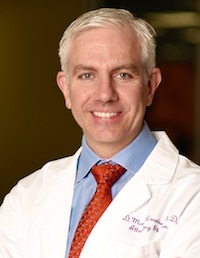
D. Mark Courtney, MD MSci
Executive Vice Chair, Academic Affairs
University of Texas Southwestern Medical School
Dr. D. Mark Courtney is a Professor and Executive Vice Chair of Academic Affairs in the Department of Emergency Medicine at the University of Texas Southwestern Medical School in Dallas, Texas. Dr. Courtney works clinically at Clements University Hospital, a large quaternary care center serving complex care patients in North Texas, and Parkland Memorial Hospital, the busiest emergency department by volume in the US. His main areas of interest are diagnostic test assessment, pretest probability for cardiopulmonary and vascular disease, and the detection and treatment of PE starting in the emergency department. He is a former Board Member and President of SAEM. Dr. Courtney's more recent academic interests beyond the scope of thrombosis and hemostasis include professional coaching as a tool to enhance wellbeing and happiness. -
Jesse Pines, MD, MBA
-

Robert W. Turer, MD
University of Texas Southwestern Medical Center
Robert Turer, MD, MSE, MSACI is an Assistant Professor in the Department of Emergency Medicine at UT Southwestern Medical Center.
After completing his undergraduate degree in computer engineering and a Masters degree in biomedical engineering at the University of Michigan, Dr. Turer attended the Vanderbilt University School of Medicine. He completed residency in emergency medicine at the University of Michigan, where he served as a chief resident. He pursued fellowship training and a Masters degree in clinical informatics at Vanderbilt University Medical Center before joining the faculty at UT Southwestern in 2021.
At UT Southwestern, Dr. Turer serves as a core faculty member within the Clinical Informatics Center, Program Director for the Clinical Informatics Fellowship, and Deputy Chief Medical Informatics Officer (DCMIO) for Analytics. As a researcher, he studies patient-facing technologies, including patient portals. Dr. Turer, along with Dr. Robin Higashi, was awarded a Texas Health Resources Clinical Scholars grant to study language-related disparities in patient portal enrollment and use among Spanish-speaking patients in Dallas. -
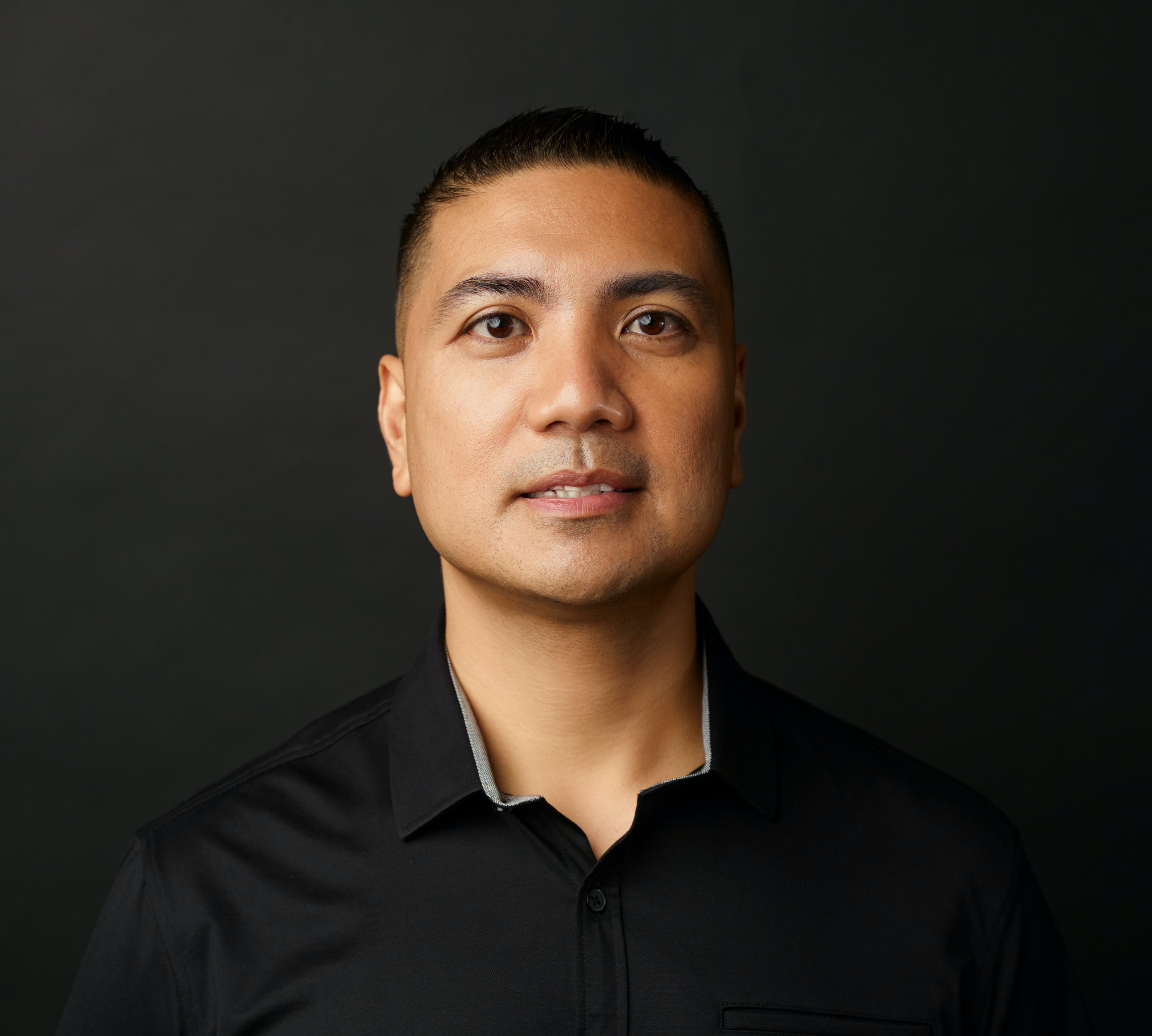
Al'ai Alvarez, MD
SAEM Nominating Committee Member
Stanford Emergency Medicine
My long-term interest is to study the intersection of Medical Education, Process Improvement (Quality and Clinical Operations), Representation (Diversity), and Well-being (Inclusion/Belonging) through human-centered design. My academic and professional experience has provided me with an excellent background in understanding the drivers for professional fulfillment in medicine and its interplay on efficiencies of care, the culture of wellness, and personal resilience, as highlighted by Stanford WellMD’s Professional Fulfillment Model. Specifically, my work investigates the role of self-compassion and resilience in promoting belongingness and overcoming isolation and loneliness in medicine exacerbated by experiences of medical harm, vicarious trauma, implicit bias, microaggressions, and imposter phenomenon.
I graduated from the faculty fellowship at the Stanford Byers Center for Biodesign, where I explored the role of mindfulness in resuscitations. Furthermore, I co-directed and organized the inaugural High-Performance Resuscitation Teams Summit in May 2022 in Chicago, IL, in collaboration with Mayo Clinic and the Mission Critical Teams Institute, to understand commonalities among high-performing teams in healthcare, aerospace, sports, military, special operations, and fire rescue.
As an attending EM physician, I served as the Assistant Medical Director on Quality Education and Clinical Operations at the Santa Clara Valley Medical Center Emergency Department (ED), the busiest ED in Northern California. This role offered me direct insight into drivers of burnout through inefficiencies in clinical practice and the need for a culture of wellness, especially in quality improvement and peer review. As an Associate Residency Program Director at the Stanford Emergency Medicine Residency Program (2015-2021), I led initiatives to enhance personal resilience while advocating for improving the clinical and learning environment to improve well-being and professional fulfillment.
Currently, I am the Director of Well-Being and co-chair of the Human Potential Team at Stanford Emergency Medicine. I also serve as the Stanford EM Physician Wellness Fellowship Director. As the chair of the Stanford WellMD Physician Wellness Forum, I lead monthly discussions to understand how better to optimize clinical practice environments to improve well-being and professional work-life balance.
As Chair of the SAEM Wellness Committee (2022- ), we are spearheading the “October is #StopTheStigmaEM month,” which has been the most extensive campaign for SAEM, mobilizing national organizations in EM and leveraging social media to increase awareness and support efforts to humanize physicians, prioritize mental health, and normalize receiving mental health support.
Given my disparate physician leadership and clinical experience, I offer a unique and valuable perspective in serving on the Nominations Committee. I aim to continue fostering collaboration, empowerment, and self-compassion in academic emergency medicine's learning and work environment. This includes finding ways to recognize the work of academic EM physicians and EM bound trainees.