Research Learning Series (RLS): Clinical Innovation and Research Translation
This episode of the SAEM Research Learning Series will offer insights on generating large data, AI modeling, and high-throughput -omics to advance diagnostics and therapeutics in emergency medicine (EM).
Learning Objectives:
- Introduce precision acute diagnostics
- Evaluate the pearls and pitfalls of large data collection
- Describe appropriate and inappropriate applications for AI modeling
- Explain the basics of high-throughput -omics, types of -omics
- Discuss how to build an EM career in clinical innovation and research translation
Authors
-
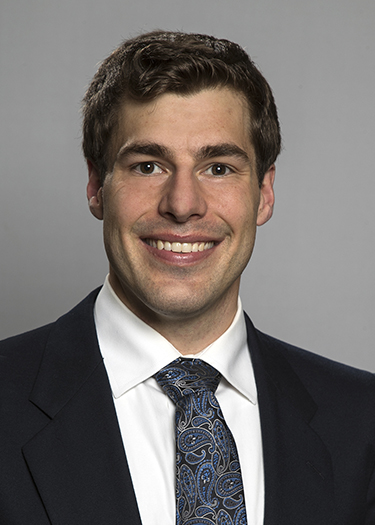
Drew Birrenkott, MD, DPhil
Emergency Physician
Mass General Brigham
Drew Birrenkott, MD, DPhil, is an emergency physician and biomedical engineer. He is currently a fellow in clinical innovation and research translation in vascular emergencies at Mass General Brigham. He completed his doctorate in engineering science at Oxford University using signal processing and AI to estimate respiratory rate from cardiac waveforms. His doctoral work received international patents and has been licensed by start-up companies for use in medical devices. He completed medical school at Stanford University and residency at the Harvard Affiliated Emergency Medicine Residency (HAEMR) at Mass General Brigham. As a member of the Massachusetts General Hospital Center for Vascular Emergencies, he is currently working on novel applications using both AI and -omics to improve the acute diagnosis of pulmonary embolism (PE) including systems to improve PE triage risk and expedite diagnosis. He is a member of the Automated Registry of CardioVascular Emergencies (ARCVE), a multi-center consortium of hospital systems and venous thromboembolism researchers which has created one of the largest registries of patients evaluated for VTE in the emergency department. -
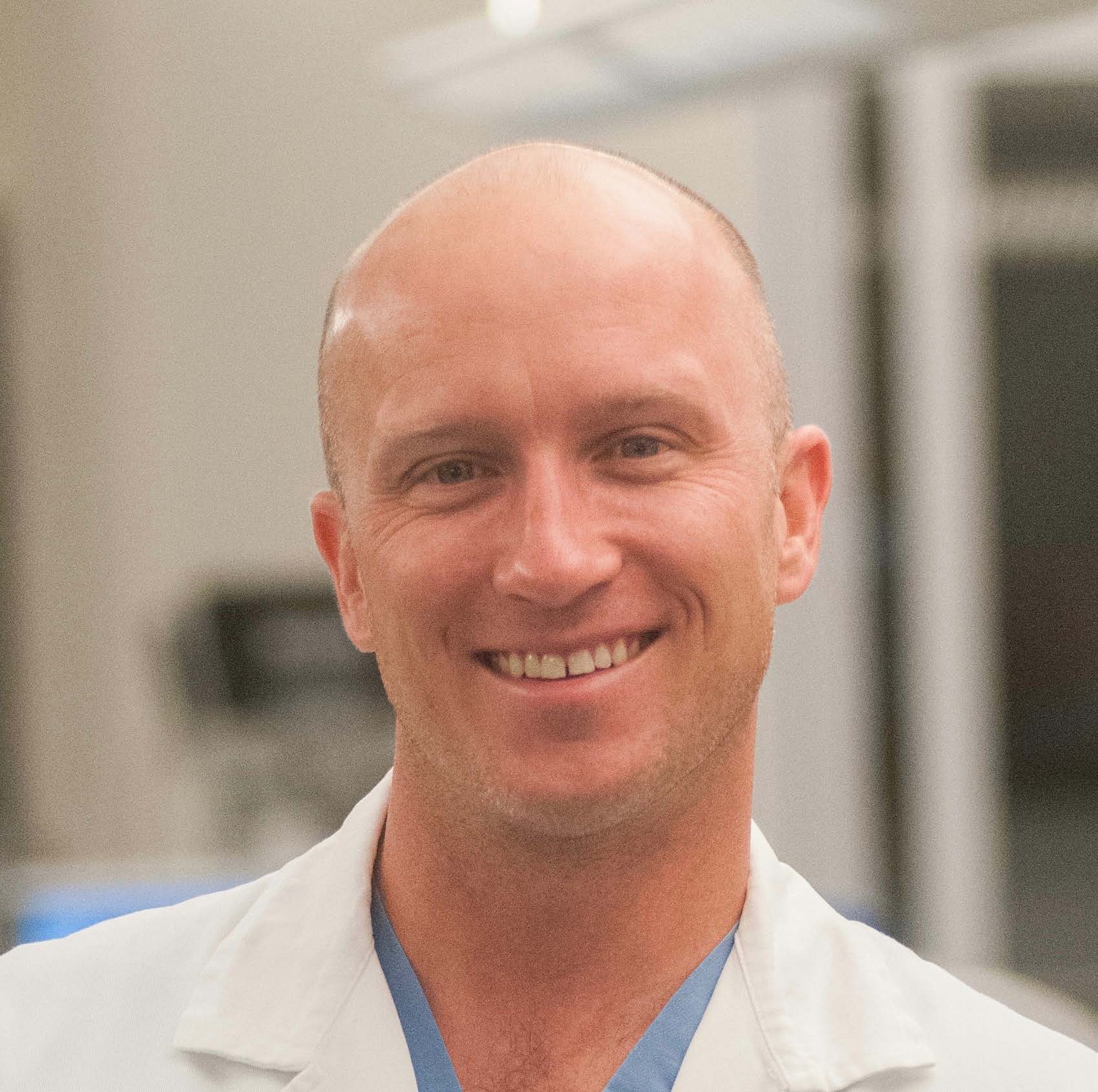
Christopher Kabrhel, MD, MPH
Endowed Chair, Emergency Medicine
Massachusetts General Hospital
Christopher Kabrhel, MD, MPH, is a practicing emergency physician at Massachusetts General Hospital with more than 20 years of experience performing research into the epidemiology, diagnosis, risk stratification, and treatment of cardiovascular disease, specifically venous thromboembolism (PE and DVT). He is the Director of the Center for Vascular Emergencies, a multidisciplinary research center housed within the MGH Department of Emergency Medicine that focuses on the diagnosis and risk-stratification of patients with venous thromboembolism, and the development of novel care delivery methods for patients with acute PE. In 2012, Dr. Kabrhel co-founded the MGH Pulmonary Embolism Response Team (PERT), the first such team in the world, and later, the PERT Consortium. He also coordinates venous thromboembolism research for the Nurses' Health Study at Channing Network Medicine at the Health Professionals Follow Up Study at the TH Chan Harvard School of Public Health, where he focuses on epidemiology and population risk factors for VTE. To further his work, he co-founded the International Network for Venous Thromboembolism Research which focuses on the genetic epidemiology of VTE. His recent work explores the biological mechanisms of thrombosis and the integration of high-throughput -omics with clinical data and machine learning to facilitate biomarker discovery. Dr. Kabrhel is a professor of emergency medicine at Harvard Medical School, Honorary Senior Lecturer at Queen Mary University in London, Honorary Professor of Clinical Medicine at Aarhus University, and the MGH Endowed Chair in Emergency Medicine. -
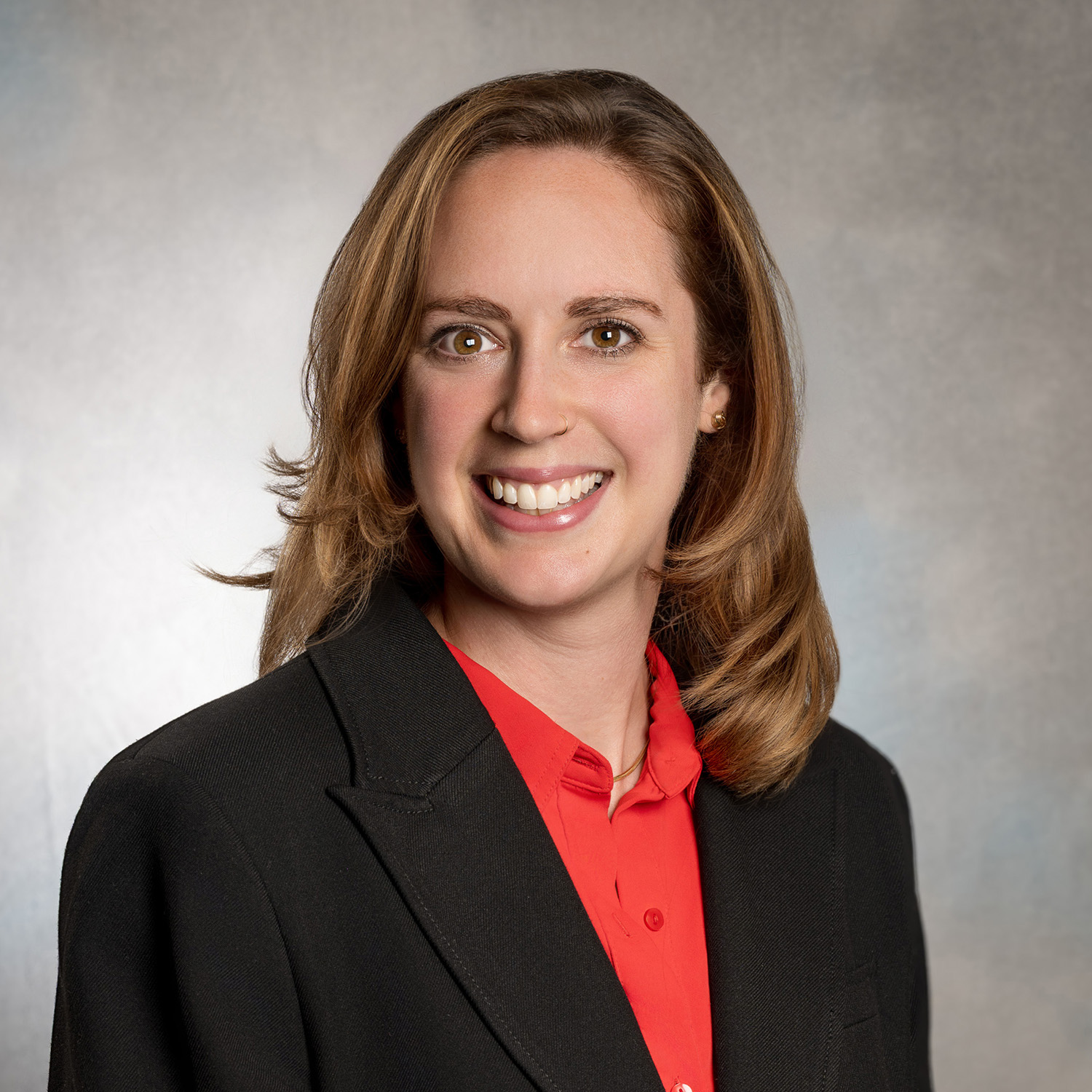
Sara Schulwolf, MD, MPH
Emergency Medicine Resident
Harvard-Affiliated Emergency Medical Residency (HAEMR)
Sara Schulwolf, MD, MPH, received her MD and Masters in Public Health from the University of Connecticut School of Medicine. She is currently a first-year emergency medicine resident at the Harvard-Affiliated Emergency Medical Residency (HAEMR) in Boston. Dr. Schulwolf currently serves as a member-at-large to SAEM's Resident and Medical Student (RAMS) Board and was previously a medical student representative. She has been liaison to the SAEM Research Committee as well as the Bylaws Committee over the past two years.