Physical and Biophysical Markers of Assessment in Competency-Based Medical Training
Competency-based medical education (CBME) requires educators to assess medical trainees’ knowledge, skills, and attitudes reliably and accurately as trainees advance toward independent practice. Assessment in medical education has changed over time to measure the evolving skills required of current medical practice. Physical and biophysical markers of assessment are defined as assessment markers that utilize technology to measure physical and physiological responses. These markers have been used in assessment of medical students, medical residents, and fellows, and offer a potential alternative lens on competency in emergency medicine training. In this didactic, we will introduce attendees to the 8 common physical and biophysical markers of assessment: heart rate and heart rate variability, pupillometry, gaze tracking, hand-motion analysis, salivary cortisol, skin conductivity, functional magnetic resonance imaging (fMRI), and functional near-infrared spectroscopy (fNIRS). We will discuss the current research, key domains assessed by these markers, and pearls and pitfalls of incorporating these technologies into assessment of trainees. Participants will leave this session with knowledge on technological advancements in assessment and how they may utilize these advancements at their institution or for their future research.
Presenters:
- Danielle T. Miller, MD, MEd
- Sarah H. Michael, DO, MS
- Cody H. Brevik, MD
-

Danielle T. Miller, MD, MEd
Dr. Danielle Miller is currently a medical education researcher in the Department of Emergency Medicine at University of Colorado Denver, Anschutz Medical Campus. She completed her Medical Education Scholarship Fellow at Stanford Department of Emergency Medicine and Masters of Medical Education at University of Cincinnati. Dr. Miller's research has been in competency-based medical education in GME and UME including creating multiple mastery learning curricula in Emergency Department (ED) thoracotomy, donning and doffing PPE, and US-guided serratus anterior plan nerve blocks for rib fractures. Within the context of competency research, Dr. Miller received the Society of Academic Emergency Medicine Education Research Grant for her project entitled “Development of a Simulation Curriculum and Web-Based Modules to Teach Core EPA 10 to Medical Students. Additionally, Dr. Miller's research includes the integration of technology into assessment of learners and how the electronic the electronic health record (EHR) can track educational interventions and patient-centered outcomes.
-
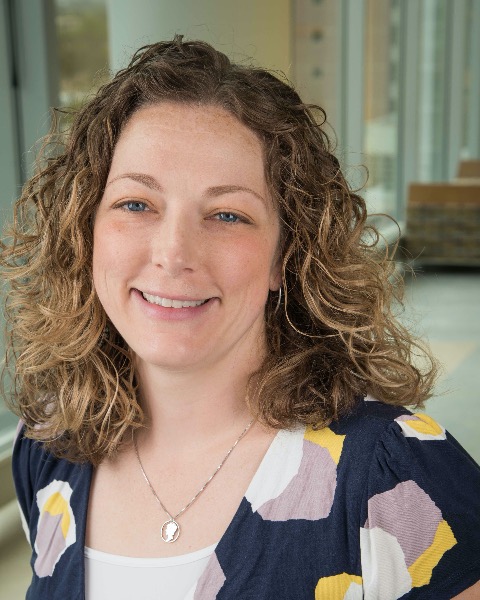
Sarah H. Michael, DO, MS
University of Colorado, Denver
Dr. Michael is a fellowship-trained education scientist with expertise in curriculum development and the novel utilization of technology in medical education. Her research interests include nontechnical skills training and assessments. She directs a fellowship in medical education science at the Univeristy of Colorado.
-

Cody H. Brevik, MD
University of Colorado School of Medicine
I am a Medical Education Science Fellow at the University of Colorado and I work as an attending physician in the Department of Emergency Medicine. I trained at CU SOM and Denver Health Residency in Emergency Medicine. I will completing my MA in education at UCDenver in July with the conclusion of my fellowship and will be staying on as academic faculty at CU. I have a particular interest and focus in human factors of performance and non-technical skills in emergency medicine training with associated research. My skills also include curriculum development, instruction, simulation, mentorship and coaching, evaluation, and assessment.