Permission to Feel: Normalizing the Return to Work Struggle
Returning to work after a period of leave, whether for medical reasons, new parenthood, or professional development, can stir complex emotions such as fear, unease, guilt, and even doubt about one's career path. These reactions are especially common among junior faculty and physicians within the first five years of practice, where high demands and limited decompression time can amplify stress.
This session, co-sponsored by the Academy for Women in Academic Emergency Medicine (AWAEM), explores the emotional realities of re-entering an academic environment that prizes excellence and productivity, normalizes these experiences, and addresses the underlying sense of tension and disheartenment that can emerge. Featuring a candid conversation among leaders and learners in academic emergency medicine, the discussion highlights practical strategies and guided reflection to help participants identify personal goals for reintegration, understand their own and colleagues' perspectives, clearly communicate their needs, choose effective avenues for support, and assess their progress toward feeling settled again. Attendees will leave with concrete, compassionate tools to navigate the transition and contribute to dismantling the stigma surrounding vulnerability in medicine.
By the end of this webinar, engaged participants will be able to:
- Recognize and validate their own and others' emotions related to returning to work after a period of leave.
- Apply strategies to set and communicate healthy boundaries during reintegration into the workplace.
- Compile and evaluate a list of reintegration strategies shared by peers and colleagues that can support well-being and reduce stigma.
-
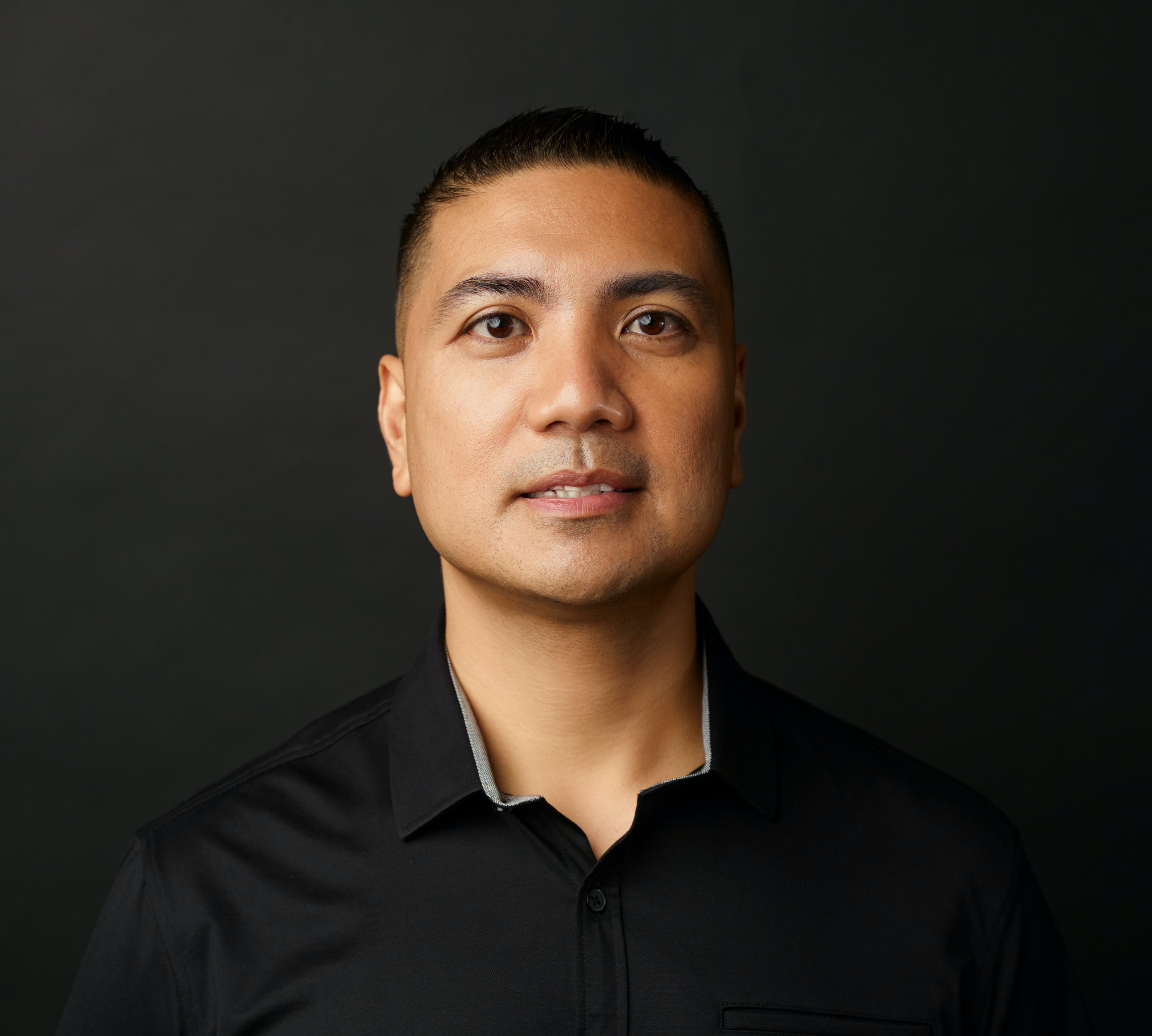
Al'ai Alvarez, MD
SAEM Nominating Committee Member
Stanford Emergency Medicine
My long-term interest is to study the intersection of Medical Education, Process Improvement (Quality and Clinical Operations), Representation (Diversity), and Well-being (Inclusion/Belonging) through human-centered design. My academic and professional experience has provided me with an excellent background in understanding the drivers for professional fulfillment in medicine and its interplay on efficiencies of care, the culture of wellness, and personal resilience, as highlighted by Stanford WellMD’s Professional Fulfillment Model. Specifically, my work investigates the role of self-compassion and resilience in promoting belongingness and overcoming isolation and loneliness in medicine exacerbated by experiences of medical harm, vicarious trauma, implicit bias, microaggressions, and imposter phenomenon.
I graduated from the faculty fellowship at the Stanford Byers Center for Biodesign, where I explored the role of mindfulness in resuscitations. Furthermore, I co-directed and organized the inaugural High-Performance Resuscitation Teams Summit in May 2022 in Chicago, IL, in collaboration with Mayo Clinic and the Mission Critical Teams Institute, to understand commonalities among high-performing teams in healthcare, aerospace, sports, military, special operations, and fire rescue.
As an attending EM physician, I served as the Assistant Medical Director on Quality Education and Clinical Operations at the Santa Clara Valley Medical Center Emergency Department (ED), the busiest ED in Northern California. This role offered me direct insight into drivers of burnout through inefficiencies in clinical practice and the need for a culture of wellness, especially in quality improvement and peer review. As an Associate Residency Program Director at the Stanford Emergency Medicine Residency Program (2015-2021), I led initiatives to enhance personal resilience while advocating for improving the clinical and learning environment to improve well-being and professional fulfillment.
Currently, I am the Director of Well-Being and co-chair of the Human Potential Team at Stanford Emergency Medicine. I also serve as the Stanford EM Physician Wellness Fellowship Director. As the chair of the Stanford WellMD Physician Wellness Forum, I lead monthly discussions to understand how better to optimize clinical practice environments to improve well-being and professional work-life balance.
As Chair of the SAEM Wellness Committee (2022- ), we are spearheading the “October is #StopTheStigmaEM month,” which has been the most extensive campaign for SAEM, mobilizing national organizations in EM and leveraging social media to increase awareness and support efforts to humanize physicians, prioritize mental health, and normalize receiving mental health support.
Given my disparate physician leadership and clinical experience, I offer a unique and valuable perspective in serving on the Nominations Committee. I aim to continue fostering collaboration, empowerment, and self-compassion in academic emergency medicine's learning and work environment. This includes finding ways to recognize the work of academic EM physicians and EM bound trainees. -
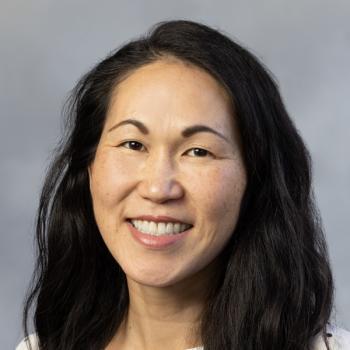
Mia L. Karamatsu, MD
Director, Well-Being Pediatric Emergency Medicine
Stanford University
Mia Karamatsu, MD, is a Clinical Assistant Professor of Pediatric Emergency Medicine at the Stanford University School of Medicine. She serves as the Director of Well-Being for the Division of Pediatric Emergency Medicine at Stanford.
-
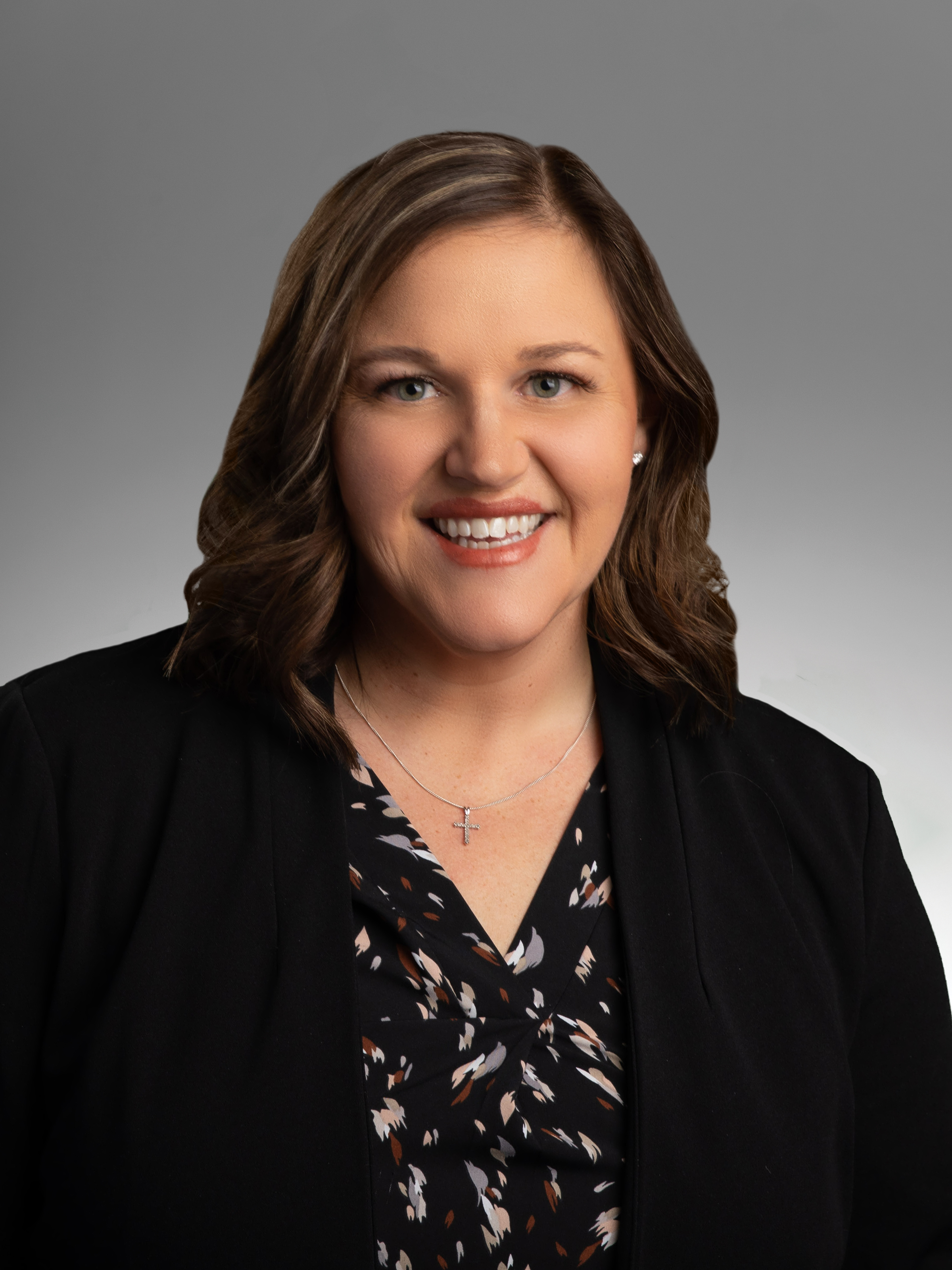
Abigail Polzin, MD
Program Director, Emergency Medicine Residency
University of South Dakota, Sanford Health
Abigail Polzin, MD, is the emergency medicine residency program director at the University of South Dakota and at Sanford Health. She has a special interest in trauma care and pediatrics. -
.jpg?sfvrsn=6cf96669_1 "cropWIIZFPXI-Presenter-ZhouV (1)")
Victoria L. Zhou, MD
Assistant Professor, Emergency Medicine
University of Vermont
Victoria Zhou, MD is an assistant professor of emergency medicine at the University of Vermont. She currently serves as Associate Residency Program Director for the University of Vermont Emergency Medicine Residency.