National Institutes of Health Career Development “K” Awards: Why to Apply & How to Succeed (Research Committee Sponsored)
The training and development of clinician-investigators in emergency medicine has been cited by the National Academy of Medicine as a critical pathway for strengthening scientific evidence in emergency care and improving health outcomes. However, emergency medicine physicians are currently underrepresented in research - accounting for less than 1% of NIH funding (despite being 4% of all U.S. physicians) and the fewest average grants per faculty member among all specialties. Mentored career development grants or “K” awards from the National Institutes of Health (NIH) and Agency for Healthcare Research and Quality (AHRQ) have the potential to support intensive training and funding for early career clinician-investigators. Prior evidence demonstrates that K awardees are more likely to apply for and successfully compete for NIH research project grants and receive NIH funding for longer periods of time relative to researchers with unfunded K awards. We have assembled a panel of current and former K awardees to discuss the rationale for pursuing K awards, along with best practices and barriers to successfully applying for a K award. We believe a panel discussion is best suited for this topic given the diverse expertise each panelist brings to the subject. Panelists include recent and past K awardees with content expertise in basic science, clinical research, and health services research. In order to make the session more interactive, we divide the session into a 25-minute panel discussion followed by 25-minutes for breakout groups tailored to attendees’ specific interests. This didactic is targeted to junior faculty, fellows, and residents with an interest in research careers. Our proposal is sponsored by the SAEM Research Committee.
Presenters:
- Michelle P. Lin, MD, MPH, MS
- Ambrose H. Wong, MD, MSEd, MHS
- Julian T. Hertz, MD, MS
- Lauren M. Westafer, DO, MPH, MS
- Courtney W. Mangus, MD
- Elizabeth M. Schoenfeld, MD, MS
- William E. Soares, III, MD, MS
- Nicholas E. Harrison, MD, MSc
- Christian D. Pulcini, MD, MEd, MPH
-
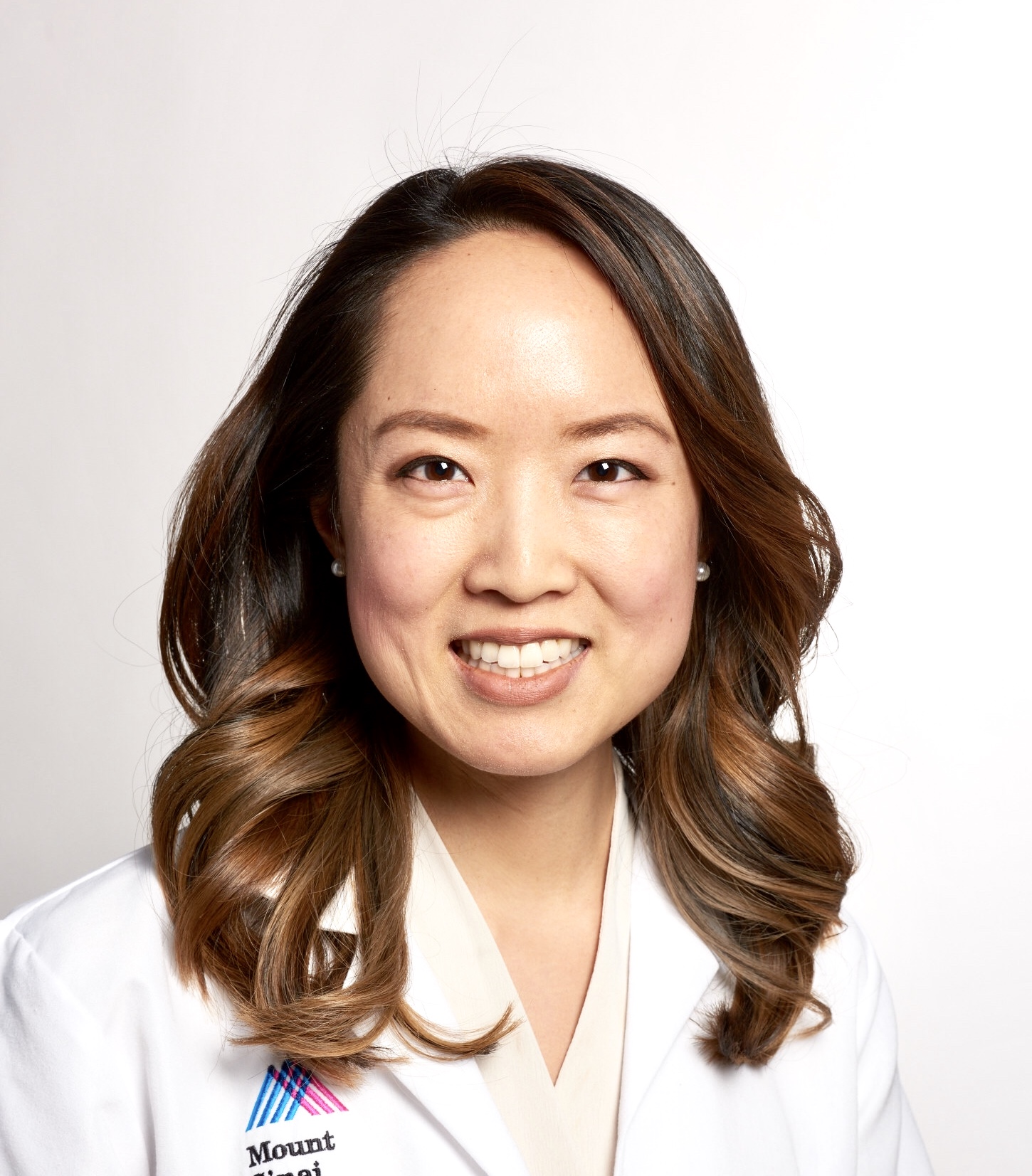
Michelle P. Lin, MD, MPH, MS
Assistant Professor of Emergency Medicine
Icahn School of Medicine at Mount Sinai
Michelle Lin, MD, MPH, MS, FACEP is an emergency physician and health services researcher whose goal is to improve the value, equity and patient-centeredness of emergency care. Dr. Lin is the recipient of a five-year grant from the National Heart Lung and Blood Institute (NHLBI/ NIH) to validate a novel instrument to assess patient-reported outcomes after adult ED asthma visits and evaluate the association with subsequent acute care utilization, after adjusting for geospatially coded environmental & social risk factors. Her prior work has been funded by the Emergency Medicine Foundation and American Board of Medical Specialties and examines variation in ED outcomes and the influence of alternative payment models on acute care delivery and payment. Dr. Lin is engaged in research and implementation projects on career development to enhance diversity and equity; actively mentors several fellows, residents, and medical students. She holds leadership roles on multiple national committees, including the National Quality Forum, the American College of Emergency Physicians Quality Committee, and Academy of Women in Academic Emergency Medicine. Dr. Lin completed a fellowship in Health Policy Research at Brigham and Women’s Hospital and a Masters in Clinical Epidemiology at the Harvard T.H. Chan School of Public Health. She is a graduate of Northwestern University and completed residency at Bellevue Hospital and NYU Medical Center.
-
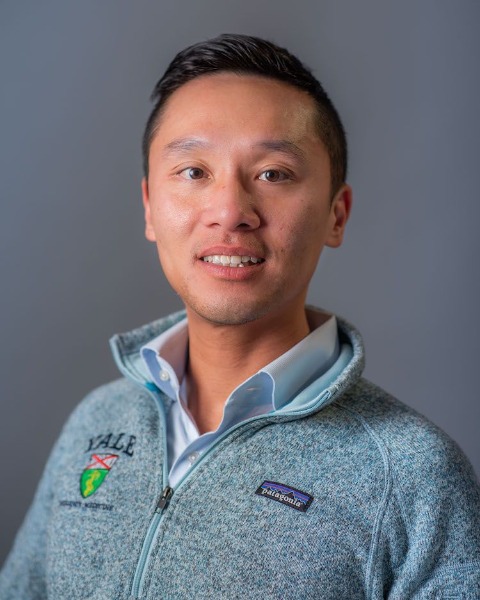
Ambrose H. Wong, MD, MSEd, MHS
Yale University School of Medicine
Dr. Wong is a physician-scientist in the Department of Emergency Medicine, with a focus on teamwork, patient safety, behavioral health, and healthcare disparities. He is the Research Director and Associate Fellowship Director at the Yale Center for Medical Simulation. He also has expertise in qualitative and mixed-methods techniques for health services research.
He received his Bachelor of Science from the University of British Columbia in Microbiology & Immunology in Vancouver, Canada and attended Washington University School of Medicine in St. Louis, Missouri. Ambrose obtained his Emergency Medicine residency training at NYU & Bellevue Hospitals Center in New York City, serving as chief resident physician in his final year. He subsequently completed a medical simulation fellowship at NYU School of Medicine & New York Simulation Center for the Health Sciences. He received a Master of Science in Health Professions Education at Massachusetts General Hospital Institute of Health Professions.
Dr. Wong applies healthcare simulation technology to address workplace violence and improve behavioral care in the emergency setting. He has authored 25 peer-reviewed publications on behavioral emergency care and received an NIH NCATS KL2 & YCCI Scholar Award to implement an agitation code team response intervention. He is the current recipient of multiple federal awards to investigate the use of health IT and patient-centered methods to improve the care of agitation management while maintaining safety of staff and healthcare workers. -
Julian T. Hertz, MD, MSc
Duke University
Julian Hertz, MD, MSc, is an Associate Professor of Emergency Medicine & Global Health. He completed his undergraduate studies at Princeton University, medical school at Duke University, residency training in emergency medicine at Vanderbilt University Medical Center, and his fellowship in Global Health at Duke.
Dr. Hertz's primary interests include global health, implementation science, and undergraduate and graduate medical education. Dr. Hertz's research focuses on using implementation science methods to improve cardiovascular care both locally and globally. His current projects involve developing interventions to improve acute myocardial infarction care in Tanzania, to improve management of hypertension among Tanzanians with HIV, and to improve post-hospital care among patients with multimorbidity in East Africa. -

Lauren M. Westafer, DO, MPH, MS
Assistant Professor in the Department of Emergency Medicine
University of Massachusetts Medical School - Baystate
Dr. Westafer, DO, MPH, MS (she/her) is an Assistant Professor in the Department of Emergency Medicine at the University of Massachusetts Medical School - Baystate and Director of the Emergency Medicine Research Fellowship. Lauren is an implementation science researcher and FOAMed enthusiast. She is author of the blog, The Short Coat, and cofounder of the emergency medicine podcast, FOAMcast. Dr. Westafer lectures internationally on social media in medical education, critical appraisal and journal club design, pulmonary embolism, and advancing the quality of healthcare for LGBTQI+ patients. In addition, she serves as the Social Media Editor and a research methodology editor for Annals of Emergency Medicine and an Associate Editor for the NEJM Journal Watch Emergency Medicine. -
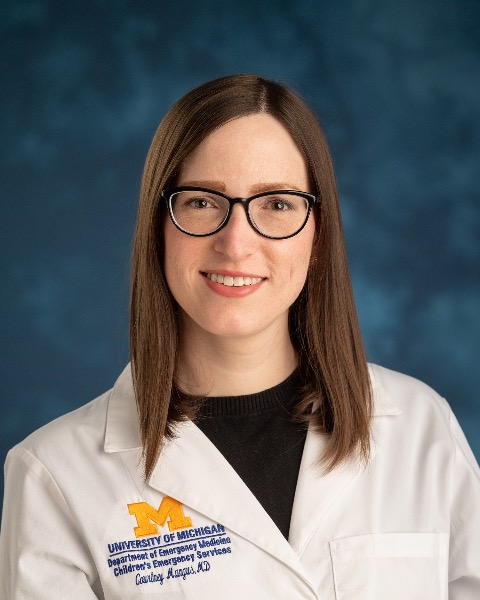
Courtney W. Mangus, MD, MS
University of Michigan
Dr. Courtney Mangus is an Assistant Professor in the Departments of Emergency Medicine and Pediatrics at the University of Michigan. She joined the faculty in 2019 after completing both her pediatric residency and pediatric emergency medicine fellowship at The Johns Hopkins Hospital in Baltimore, Maryland. Her academic interests include research related to diagnostic quality and safety, community pediatric emergency care, and patient communication including shared decision-making. She received a K08 Award through the Agency for Healthcare Research and Quality for her proposal entitled "Development and Testing of an Intervention to Facilitate Shared Decision-Making in Pediatric Patients with Abdominal Pain Presenting to the Community Emergency Department Setting."
-
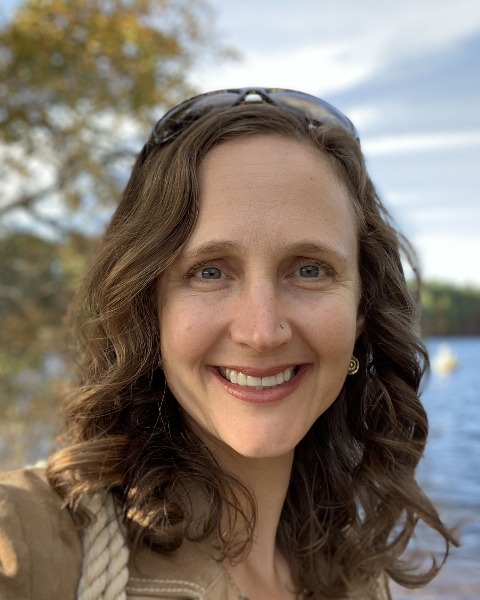
Elizabeth M. Schoenfeld, MD, MS
UMass Chan - Baystate
Dr. Schoenfeld is the VC of Research at UMass Chan-Baystate. She completed her K award in 2023 (Shared Decision Making in the ED for imaging decisions in suspected renal colic) and currently serves as a mentor to several K awardees and clinician-researchers working towards K funding. She has received research funding as PI from NIDA, AHRQ, and various foundations (R03, K, and R34). She is a Decision Editor for Qualitative Methods for Academic Emergency Medicine. Current areas of research and interest include shared decision-making (SDM) with people who use drugs, building trustworthiness, SDM without shared language, supporting EM research, and harm reduction for people who use stimulants. She is more than happy to talk to you about your own research interests, your career, qualitative methods, or any place she could be helpful to you.
-
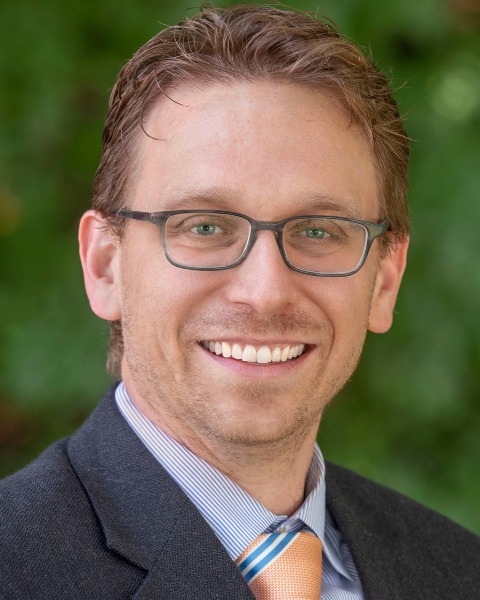
William E. Soares, III, MD, MS
University of Massachusetts Medical School-Baystate Campus
Bill Soares, MD, MS is board certified in Emergency and Addiction Medicine and an Assistant Professor at the University of Massachusetts Medical School, Baystate in Springfield, Massachusetts. He attended Harvard Medical School and completed residency training at Alameda Health System in Oakland, CA. He joined Baystate in 2013 as an Emergency Medicine Research Fellow, earning a Master's Degree in Clinical and Translational Science at the Tufts Sackler School of Biomedical Science.
Bill is involved in multiple projects exploring clinical decision-making and implementation of opioid prescribing and treatment of opioid use disorder. He completed a NIDA K08 evaluating the impact of state legislation on opioid prescribing in the emergency department. Currently, he is co-PI on a NIDA R21/33 study exploring the use of virtual relatity in the ED to address bias experienced by patients with opioid use disorder. He hopes his research will improve access to treatment options for patients with substance use disorder who present to the emergency department. -
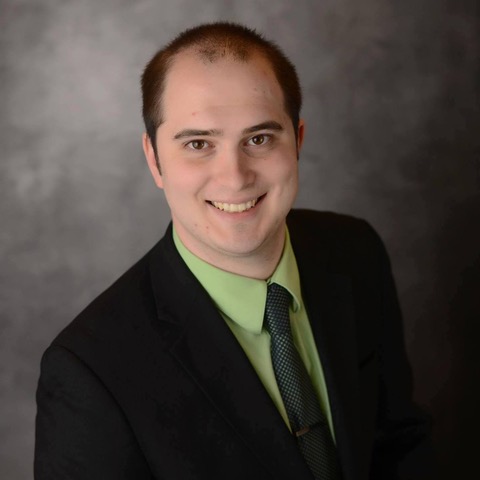
Nicholas E. Harrison, MD, MSc
Clinical Physician
IUH Methodist Hospital
Dr. Harrison was born in Dearborn, MI, and raised in the suburbs of Detroit. He graduated from Michigan State University for both his undergraduate and medical school degrees, in 2008 and 2012, respectively. While at the MSU College of Human Medicine he spent two years at the Flint MI MSU Clinical Campus and two months living abroad in Peru, completing the school's MD Leadership in Medicine for the Underserved certificate program. He completed his residency training in Emergency Medicine at the Oakland University William Beaumont School of Medicine / William Beaumont Hospital Emergency Medicine Program, where he served as Chief Resident in his final year. Upon completing his residency in 2019, Dr. Harrison entered a two-year Fellowship in Clinical Research, studying heart failure and cardiovascular imaging under the mentorship of Dr. Phillip Levy at Wayne State University. He concurrently entered the Clinical Research Design and Statistical Analysis MSc program for clinician-scientists at the University of Michigan's Department of Biostatistics. He graduated both his research fellowship and his MSc in 2021, at which time he took his first full-time faculty position as a tenure-track Assistant Professor of Emergency Medicine at IUSM in Indianapolis.
Dr. Harrison works clinically at IUH Methodist Hospital, while continuing the translational and health services research he began during his fellowship, in acute heart failure and non-invasive cardiovascular imaging. Starting in 2022, and ending in 2024, he received a KL2 Career Development Award funded by the National Institutes of Health National Center for Advancing Translational Sciences (NIH NCATS) through the Indiana Clinical and Translational Sciences Institute.
-

Christian D. Pulcini, MD, MEd, MPH
Pediatric Emergency Physician
University of Vermont Medical Center
Dr. Pulcini is a pediatric emergency physician at the University of Vermont Medical Center and UVM Children's Hospital, as well as an Assistant Professor of Emergency Medicine (EM) and Pediatrics at the University of Vermont Larner College of Medicine. He attended Tufts University School of Medicine followed by pediatrics residency at Children's Hospital of Pittsburgh of UPMC. He then completed pediatric EM fellowship at the Children's Hospital of Philadelphia. He holds an M.Ed. in secondary education from Loyola Marymount University (former Teach for America corps member) and an M.P.H. in maternal and child health from Boston University school of Public Health.