Implementing Emergency Department Delirium Screening: Nuts, Bolts, a Toolkit! (AGEM Sponsored)
Delirium is a medical emergency of acute brain failure that is associated with high morbidity and mortality. Delirium affects 15% of emergency department (ED) patients, but it is undetected in over 2/3 of ED cases. This matters for you as an emergency clinician because delirium can mask physical exam findings (such as lack of peritonitis or abdominal pain in a person with ruptured appendicitis) and obfuscate the illness history. Discharging someone from the ED who has delirium is associated with a 6x higher mortality rate within the following week (6.7% vs 1.1%)! And with the growing boarding crisis and associated increases in ED delirium, delirium recognition and management is becoming a quality issue in ED care. This didactic will use implementation science principles and qualitative and quantitative evidence to help you set up a delirium program at your ED.
This interactive lecture will highlight key strategies on how to successfully implement ED delirium screening based on (1) research with early adopter EDs, (2) practical operational experiences from a Level 1 geriatric-accredited ED and a public safety net hospital, and (3) key takeaways from monthly group discussions with the national Academy of Geriatric Emergency Medicine Delirium Implementation Group from 2023-2024. We will offer concrete tips on topics such as overcoming implementation challenges, integrating screening into electronic health records, and sustaining change. This presentation will use QR codes to link audience members to toolkit materials for use in their institutions and summarize the 126-page American Geriatrics Society ED-Delirium toolkit so that you don’t have to read it.
Presenters:
- Anita N. Chary, MD PhD
- Lauren T. Southerland, MD MPH
- Annika Bhananker
-
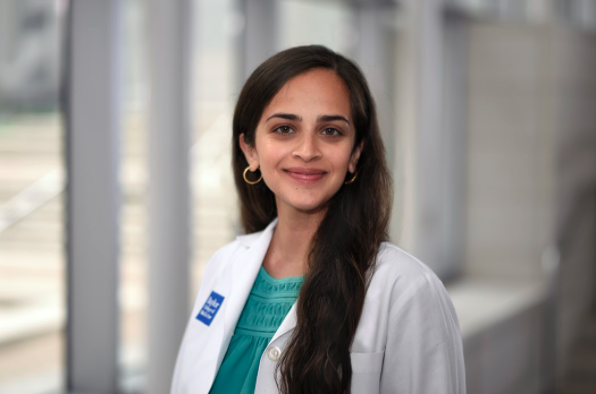
Anita N. Chary, MD, PhD
Baylor College of Medicine
Anita Chary, MD PhD is a medical anthropologist and emergency physician and Assistant Professor at Baylor College of Medicine (Departments of Emergency Medicine and Medicine, Section of Health Services Research). She graduated summa cum laude from the University of Illinois in Urbana-Champaign, received her medical and doctoral degrees (MD PhD, Anthropology) from Washington University in St. Louis, and served as chief resident of the Harvard Affiliated Emergency Medicine Residency. Broadly, her research focuses on social determinants of health and care of vulnerable populations. She has an extensive background in global healthcare delivery and has expertise in qualitative methods and social theories of health equity. Dr. Chary's domestic research focuses on improving the care of geriatric patients in the ED. She currently serves as the Research Committee Chair of SAEM Academy of Diversity & Inclusion in Emergency Medicine and as an Executive Comittee Member-at-Large for the SAEM Academy of Geriatric Emergency Medicine. She is an Associate Director of the Medical Scientist Training Program (MD/PhD) at Baylor College of Medicine and an Adjunct Assistant Professor of Anthropology at Rice University.
-

Lauren T. Southerland, MD, MPH
The Ohio State University
Dr. Lauren Southerland is an Associate Professor in the Department of Emergency Medicine at The Ohio State University and the Director of Clinical and Implementation Science for the Department. She is a trained Implementation Scientist and her research focuses on clinical process improvement and implementation in the Emergency Department.
-

Annika Bhananker
Center for Innovations in Quality, Effectiveness, and Safety
Annika Bhananker is a Research Coordinator at the VA Center for Quality, Effectiveness and Safety in Houston, Texas. She is an undergraduate student at Rice University majoring in Anthropology. She is interested in pursuing emergency medicine and serves as a volunteer EMT for Rice EMS.