Hundreds Dead and Wounded: Best Healthcare Practices for Mass Shootings
While mass shootings have become common events in the US, the healthcare community has done little to define best practices and ready itself for these incidents. The US averages more than one mass shooting every day – injuring, killing, and traumatizing thousands of people each year. A recent study landmark study assembled emergency physicians, prehospital providers, and surgeons who participated in the medical response to six of America’s largest mass shootings to create an essential list of lessons learned and best practices that can help hospitals and communities prepare for the nightmare scenario of a mass shooting. While adequately preparing for mass shootings and other mass casualty incidents (MCIs) has been difficult during normal times, today’s burdens of extreme ED crowding and patient boarding only heighten the challenges. We will propose specific planning and other solutions to improve how EDs accommodate acute influxes of critically injured patients during MCIs. These MCI best practices will help your ED and hospital treat huge numbers of patients safely – even when faced with terrible ED crowding and hospital congestion.
Presenters:
- Craig Goolsby, MD, MEd, MHCDS, FACEP
- Paul D. Biddinger, MD
- Samuel Sondheim, MD MBA
-
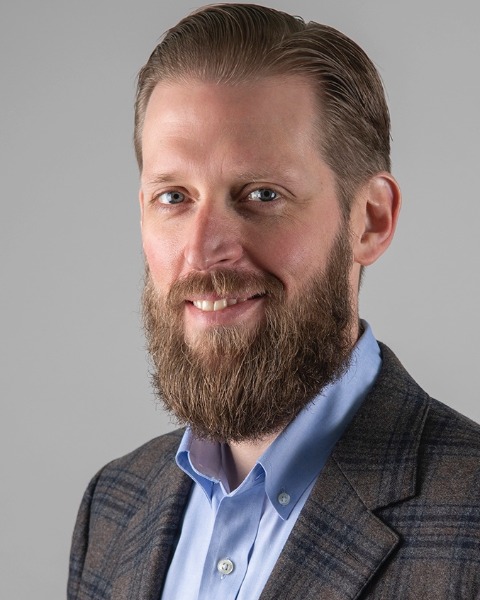
Craig Goolsby, MD, MEd, MHCDS, FACEP
Harbor-UCLA Medical Center
Craig Goolsby, MD, MEd, MHCDS, FACEP is Chair of the Department of Emergency Medicine at Harbor-UCLA Medical Center in Los Angeles County and a Professor of Clinical Emergency Medicine at the David Geffen School of Medicine at UCLA. An award-winning educator and lecturer, Dr. Goolsby is a member of national and international scientific organizations, including the American Red Cross’s Scientific Advisory Council and the International Liaison Committee on Resuscitation’s First Aid Task Force, and he is a recognized expert in first aid and military-to-civilian knowledge transfer. His multi-million-dollar research portfolio has focused on bleeding control, tourniquet usage, public response to emergency, post-motor vehicle crash care, and mass casualty incidents. Dr. Goolsby is a distinguished graduate of the United States Air Force Academy, an AOA graduate of the Tulane University School of Medicine, earned his Master of Education in the Health Professions degree from Johns Hopkins University, and completed a Master of Healthcare Delivery Science degree at Dartmouth College’s Tuck School of Business. He previously served as an active-duty Air Force officer, including two tours as the flight commander and medical director of the Air Force’s emergency department in Balad, Iraq. Dr. Goolsby is the author or co-author of more than 70 peer-reviewed articles, chapters, editorials, and other scholarly publications. He completed a transitional internship at Harbor-UCLA Medical Center and his emergency medicine residency at UCLA. -
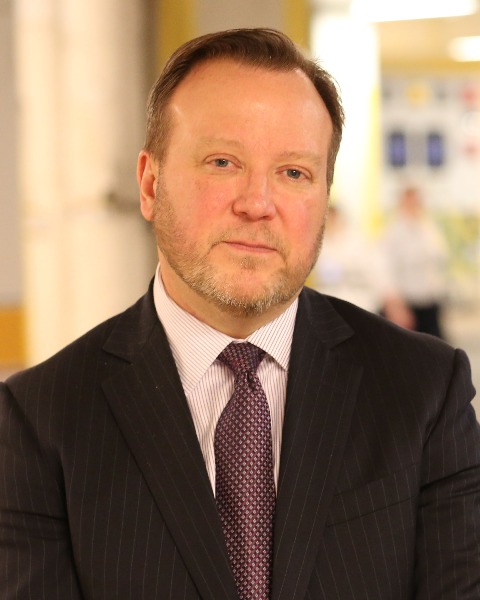
Paul Biddinger, MD
Massachusetts General Brigham
Dr. Paul Biddinger is the Chief Preparedness and Continuity Officer at Mass General Brigham in Boston. He holds the Ann L. Prestipino MPH Endowed Chair in Emergency Preparedness and is also the Director of the Center for Disaster Medicine at Massachusetts General Hospital (MGH). Dr. Biddinger additionally serves as the Director of the Emergency Preparedness Research, Evaluation and Practice (EPREP) Program at the Harvard T. H. Chan School of Public Health and holds appointments at Harvard Medical School and at the Chan School. Dr. Biddinger serves as a medical officer for the MA-1 Disaster Medical Assistance Team (DMAT) in the National Disaster Medical System (NDMS) in the US Department of Health and Human Services (HHS).
Dr. Biddinger is an active researcher in the field of emergency preparedness and has lectured nationally and internationally on topics of preparedness and disaster medicine. He has authored numerous articles and book chapters on multiple topics related to disaster medicine and emergency medical operations and has responded to numerous prior disaster events, including Hurricane Katrina, Superstorm Sandy, the Boston Marathon bombings, the Nepal earthquakes, and many others.
He completed his undergraduate study in international relations at Princeton University, attended medical school at Vanderbilt University, and completed residency training in emergency medicine at Harvard. -
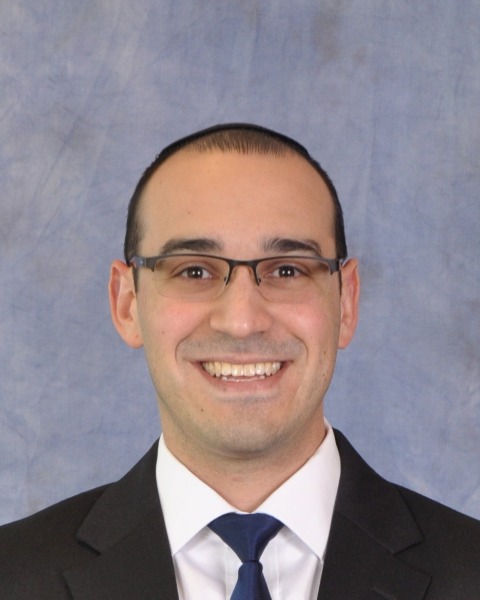
Samuel Sondheim, MD MBA
Mount Sinai Morningside
Samuel Sondheim, MD MBA, is the Assistant Medical Director at Mount Sinai Morningside. He is an Assistant Professor of Emergency Medicine at the Icahn School of Medicine. He works clinically as an attending physician at Mount Sinai Morningside and Mount Sinai West hospitals. Dr. Sondheim completed a dual degree MD/MBA at Quinnipiac University in Connecticut followed by residency training at Mount Sinai Morningside/West where he served as Chief Resident, after which he completed Mount Sinai's Disaster Preparedness and Healthcare Leadership fellowship. With over a decade of experience in the prehospital space, his academic interests lie at the intersection of disaster preparedness and healthcare leadership/administration and operations.