Health Care for Indigenous Communities in America: Progress and Future Directions (GEMA- and ADIEM-Sponsored)
Life expectancy in Indigenous communities is significantly lower than in other U.S. population groups, with a 50% mortality rate. American Indian and Alaska Native (AI/AN) populations experience high rates of chronic diseases such as diabetes, cardiovascular disease, depression, anxiety, and suicide. This session, featuring expert physicians, will examine the multifaceted factors contributing to these disparities in health outcomes. We will also discuss diverse career paths in academic emergency medicine aimed at improving healthcare quality, explore cultural humility and culturally responsive practices, and address the challenges faced in emergency care in Indigenous communities. Participants will gain strategies for pursuing long-lasting, impactful careers in this critical area of healthcare.
Learning Objectives:
- Discuss the staggering and unique health disparities that exist amongst indigenous communities in the United States
- Discuss different career paths in emergency medicine that aim to address these disparities
- Develop an approach to successfully understand cultural context within different indigenous communities
- Discuss how these careers greatly differ than other practices in the US and why they are deeply rewarding
Presenters:
- Emma Cortes, DO
- Vijay Kannan
- Kenneth Bernard, MD
- Sachita Shah, MD
-

Emma Cortes, DO
Brown University
-
Vijay Kannan, MD
Vijay Kannan, MD, is the Director of the Office of Clinical Performance and Health Impact at IHS Headquarters. In this role he oversees the agency’s work on the monitoring and evaluation of clinical care, on academic affairs, on telehealth, and on credentialing and privileging. He previously worked as the Director of the Office of Quality Management for the Phoenix Area (Arizona, Utah, Nevada) IHS. His work there focused on identifying systemic issues in quality of care and addressing them in a context-relevant and data-driven manner. Prior to working for IHS he served as a Technical Officer at the World Health Organization (WHO) Headquarters in Geneva, Switzerland. He worked in the Clinical Services and Systems Unit, where he was the clinical focal point to the Quality Team and worked to develop emergency, surgical, and intensive care capacity in resource-limited settings as well to optimize the integration of care platforms across the care continuum. Before joining WHO, he served as faculty at Harvard Medical School, where his academic focus was on the use of registry-based analytics and applied implementation science methodology for quality improvement. He spent approximately one-third of his time in Africa as a consultant to WHO. He is an emergency physician by training, obtaining his Master’s in Public Health and fellowship in Global Health from the Harvard School of Public Health and Beth Israel Deaconess Medical Center. -
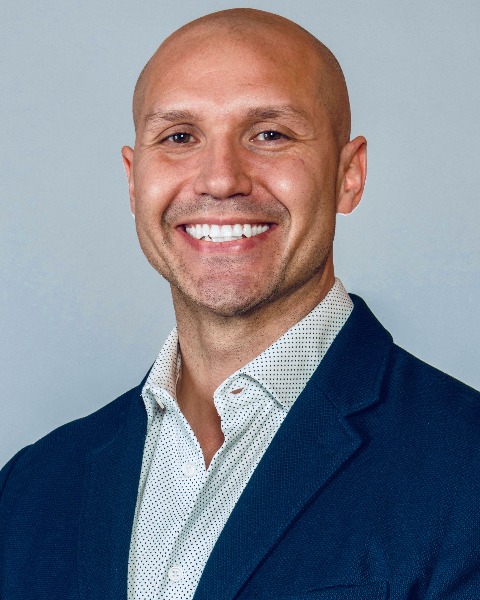
Kenneth Bernard, MD
UVA Community Health
Ken Bernard, MD, MBA is a member of the Turtle Mountain Band of Chippewa (Anishinaabe), emergency medicine physician, acute care quality researcher and advocate, and entrepreneur. Currently, he serves as Chairman of Emergency Medicine at the Prince William Medical Center in Northern, Virginia and System Medical Director for UVA Community Health. Dr. Bernard earned his undergraduate degree in Biology at Yale University, and his medical and Master of Business Administration degrees from Harvard University. He has conducted extensive research and studies on health care disparities and barriers to quality care that affect Native Americans and Alaskan Natives. His work is a reflection of the marriage of his native roots and his professional pursuits. Prior to moving to Virginia, he started his career in the Navajo IHS service area and was a founding partner of the Pinnacle Emergency Medical Group. He also was one of the founding members of the Native American Emergency Medicine Consortium, now Emergency Medicine for Rural and Indigenous Communities (emRIC) consortium. -
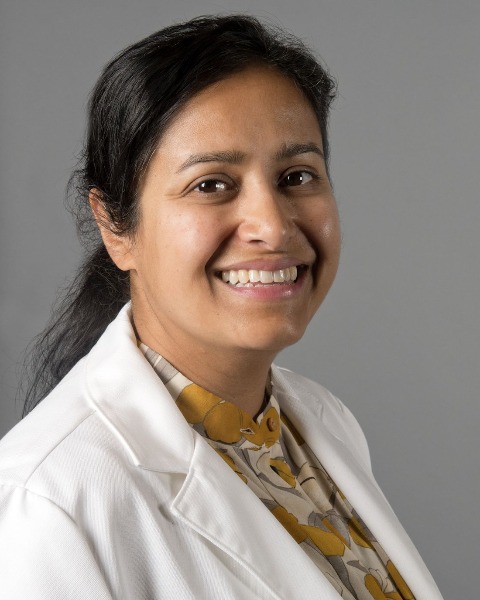
Sachita Shah, MD, DTM&H
Harborview Medical Center/University of Washington
Dr. Sachita Shah is a Professor of Emergency Medicine and Adjunct Professor of Global Health at University of Washington School of Medicine. She completed her residency training in 2008 at the Harvard Affiliated Emergency Medicine Residency, Emergency Ultrasound fellowship training at Alameda County (Highland Hospital) Medical Center, and received her Diploma in Tropical Medicine and Hygiene (DTM&H) at the Gorgas Memorial Institute in Lima, Peru in 2018.
Dr. Shah serves as Fellowship Director of the UW Global Emergency Medicine and Rural Health Fellowship Program, in collaboration with the Alaska Native Medical Center and Great Plains IHS. She works clinically at Harborview Medical Center, an academic trauma center and county referral hospital in Seattle, and at Alaska Native Medical Center, a hub for the tribal health consortium in Alaska. Dr. Shah is an internationally known expert in the field of point-of-care ultrasound in limited resource settings and leads the educational initiatives in the UW Department of Emergency Medicine, Section of Population Health. Her main academic focus is the development of educational community and techniques in population health, specifically global & rural health and social emergency medicine topics. Her main research focus is impact of point-of-care ultrasound in limited resource settings to promote health equity in emergency care and maternal health.