Fight the Bite: Climate Change and the Uptick of Vector-Borne Diseases in the Emergency Department (Climate Change and Health Interest Group- and Wilderness Medicine Interest Group-Sponsored)
The rise in vector-borne diseases, driven by climate change, poses diagnostic challenges for emergency medicine physicians as these conditions increasingly affect diverse geographic regions. This interactive session explores the link between climate change and vector ecology, emphasizing the identification and management of vector-borne diseases in emergency settings. Participants will review both common and uncommon diseases like Lyme, West Nile, dengue, and Chagas, using a wilderness medicine approach and engaging case-based learning through interactive tools. Attendees will enhance their diagnostic acumen and preparedness to recognize and manage vector-borne diseases, improving patient outcomes in the emergency department.
Learning Objectives:
- Understand how climate change impacts vector ecology
- Learn the wilderness medicine approach to preventing and treating vector-borne diseases
- Differentiate the clinical presentations of different vector-borne diseases to make an accurate diagnosis
- Practice treating various vector-borne diseases including Lyme, West Nile, Dengue, Eastern Equine Encephalitis, Chagas disease, among others
Presenters:
- Gayle Kouklis, MD
- Alyssa Valentyne, MD
- Kevin Watkins, MD, FACEP, FAWM
- Hillary R. Irons, MD, PhD (she/her/hers)
- Amanda K. Irish, MD, MPH, MS, DTMH
- Kyle Denison Martin, DO, MPH
- Joshua C. Timpe, MD
-

Gayle Kouklis
Resident physician in Emergency Medicine
UCSF Fresno
Gayle Kouklis, MD is an emergency medicine physician practicing in Seattle and the California Central Valley. She is also a University of Colorado Climate Change and Health Science Policy Fellow. She completed her undergraduate degree in Human Biology at University of California, Santa Cruz, her medical degree at University of Cincinnati College of Medicine, and her residency training at University of California, San Francisco/Fresno. Her main interests include extreme heat in a multitude of environments ranging from the agricultural California Central Valley and its urban centers to the Arctic and Subarctic regions of Alaska. She also has an interest in urban tree canopy and other nature-based climate solutions and the importance of biodiversity in human health. She values community perspective and designs much of her work as community-based participatory research in an attempt to bring together health equity and environmental justice. She grew up in the foothills of the Sierra Nevada and is an avid backpacker and trail runner, an aspiring fly fisherwoman and climber, and an enthusiastic eater and chef. -
Alyssa Valentyne, MD
University of Michigan
Alyssa Valentyne is a chief resident at the University of Michigan. She is also chair of the SAEM Climate Change and Health Interest Group. Alyssa is passionate about healthcare sustainability and how climate change impacts health. She helps lead the EM Green Team and assisted in developing a Climate Health & Sustainability Professional Development Track at the University of Michigan. She also helps lead the medical student wilderness medicine elective and is working towards her Fellowship in the Academy of Wilderness Medicine (FAWM). Alyssa earned her medical degree, path of distinction in public health, and global health certificate from the University of Wisconsin School of Medicine and Public Health.
-
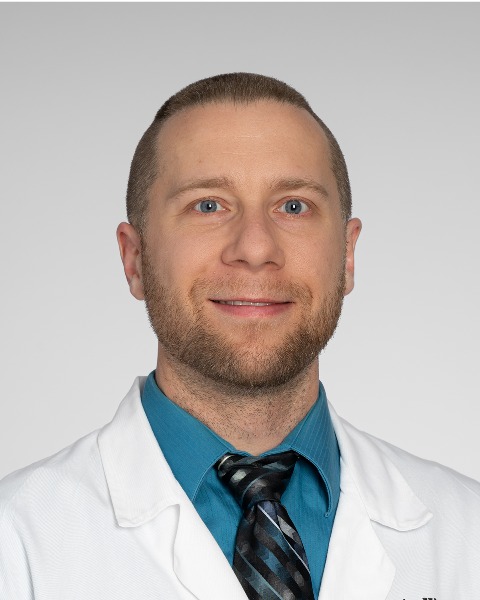
Kevin Watkins, MD, FACEP, FAWM
Cleveland Clinic Akron General
Kevin Watkins is APD at Cleveland Clinic Akron General, where he is ultrasound faculty, leads EKG education, and is director of wilderness medicine. He is a WLS-MP instructor and serves as Research Director for the Cuyahoga Valley Wilderness Medicine Group. He serves on the Wilderness Medical Society student/resident education committee and is Chair Elect for the SAEM wilderness medicine interest group.
-
Hillary R. Irons, MD, PhD
UMass Chan Medicial School
Hillary Irons, MD PhD FACEP, is an Assistant Professor in Emergency Medicine at University of Massachusetts. She received her MD from Medical College of Georgia, PhD in Biomedical Engineering from Georgia Tech and Emory, and completed EM residency at Michigan State University/Sparrow Hospital in Lansing, Michigan. She completed a Wilderness Medicine Fellowship at Massachusetts General Hospital during which she spent a season working at the Himalayan Rescue Association in the Everest Region in Nepal, trip physician to the Siberian arctic, and doing multiple research projects on altitude illness. She has taught wilderness medicine for many years both with lectures, hands-on courses including AWLS, and simulation-based teaching. She is also the Expansion Race Coordinator for MedWAR (Medical Wilderness Adventure Races) which teaches and tests wilderness medicine through scenario-based adventure races since 2003. She has held national leadership positions in SAEM’s wilderness medicine interest group and ACEP wilderness medicine section. Her current research involves the cognitive deficits in hypoxic brain states specifically acute mountain illness and traumatic brain injury.
-
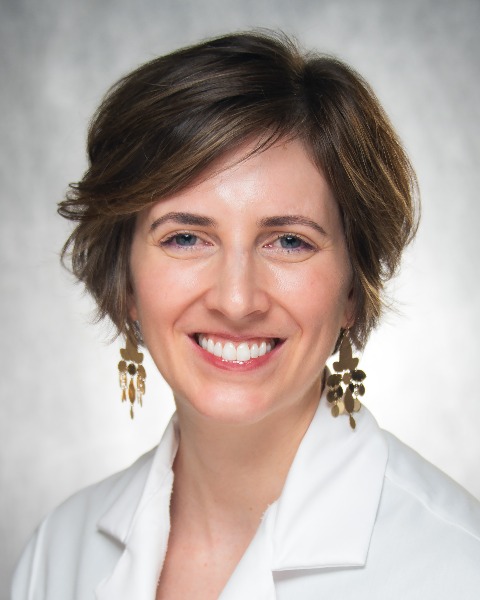
Amanda Irish, MD, MPH, MS, CEIDE
University of Iowa
Amanda Irish is an Emergency Medicine faculty physician at the University of Iowa. She completed her International Emergency Medicine Global Health Fellowship at Prisma Health (formerly Palmetto Health) Midlands/University of South Carolina School of Medicine-Columbia. She has demonstrated a lifelong interest in international medicine and has been involved in a variety of research and education projects in low-resource settings over the years. She enjoys working with and teaching others how to positively and sustainably impact health systems and is excited to be involved with WHO-ICRC Basic Emergency Care.
-
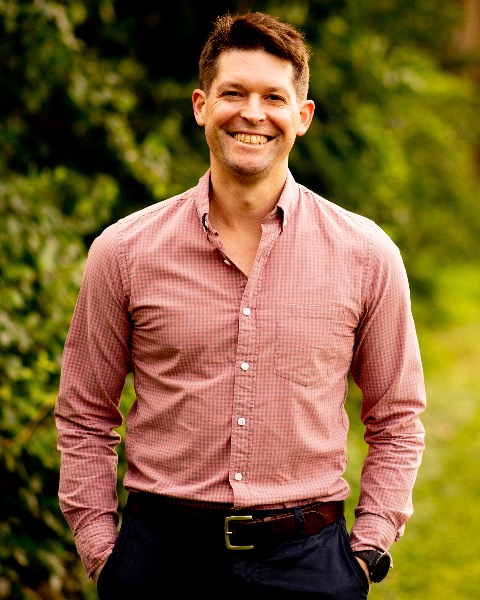
Kyle D. Martin, DO, MPH
Assistant Professor
Brown University
Dr. Kyle Denison Martin is an assistant professor of emergency medicine at the Warren Alpert Medical School of Brown University. He received his Doctorate of Osteopathy from the Michigan State University College of Osteopathic Medicine. He also received a Masters of Arts in bioethics and Masters of Public Health from Michigan State University. Dr. Martin completed his specialty training in Emergency Medicine at Henry Ford Health System in Detroit, Michigan. He completed a Diploma in Tropical Medicine & Hygiene from the London School of Hygiene & Tropical Medicine and has a Certificate of Knowledge in Clinical Tropical Medicine and Travelers' Health from the American Society of Tropical Medicine & Hygiene. Dr. Martin is an Affiliate Faculty of the Institute at Brown University for Environment and Society (IBES). He is also Affiliate Faculty at the Global Health Institute (GHI) of Brown University.
-

Joshua C. Timpe, MD
Medical College of Wisconsin
Dr. Joshua Timpe is an emergency medicine physician and educator at the Medical College of Wisconsin (MCW), where he serves as the Assistant Program Director for the Emergency Medicine Residency program and the Director of the Wilderness and Environmental Medicine program.
He is actively involved in resident and medical student education at MCW, where he directs the Wilderness Medicine Elective and the Wilderness Medicine track, preparing future physicians for the unique challenges of practicing medicine in austere environments.