Educational Dead Space: The Impact of Boarding on Resident Education in the Emergency Department (CDEM-Sponsored)
Inpatient boarders occupying emergency department (ED) beds limit educational opportunities for emergency medicine (EM) residents, reducing patient encounters, procedural experiences, and skills practice. This session will discuss the impact of ED overcrowding and boarding on resident education, based on current literature. Through lecture and panel discussion, we will highlight strategies to address the challenges of boarding, improving residents' medical knowledge, task management, and operational efficiency. Panelists, including clinician educators, residency leadership, a chief resident, and a medical director, will share practical initiatives, barriers to implementation, and triggers for utilizing educational techniques during periods of boarding.
Learning Objectives:
- Define the impacts of boarding and overcrowding on EM resident education
- Describe educational interventions that are practical and impactful to bolster resident clinical education
- Discuss common barriers to implementing educational interventions in an overcrowded or boarded ED
- Reflect on shared experiences to address boarding and identify needed next steps to optimize the education environment when boarding patients
Presenters:
- Jeffery Hill, MD, MEd
- Michael Gottlieb, MD
- Sally A. Santen, MD, PhD
- Jazmyn Shaw, MD
- Joel Moll, MD
- Grace A. Hickam Retter, MD, MEHP
- K. Robert Thompson, III, MD, MBA
-

Jeffery Hill, MD, MEd
University of Cincinnati
I am an Associate Professor in the Department of Emergency Medicine at the University of Cincinnati. I graduated residency training at the University of Cincinnati in 2012 and thereafter completed a 2 year Masters of Medical Education through the University of Cincinnati. I have been involved in residency leadership since the completion of my fellowship training with a particular focus on resident bedside teaching in boarded EDs, residency didactics, teaching residents to be teachers, and asynchronous/technology facilitated educational interventions. My scholarly work is focused in these content areas as well with original publications on the development and validation of a lecture assessment tool, using Slack to facilitate virtual small group discussions, and survey-based research best practices. In our Deparment I also serve as the chair of our Education Leadership Academy, the goal of which is to teach residents the management principles and skills necessary to be leaders in Emergency Medicine education. -
Rush University Medical Center
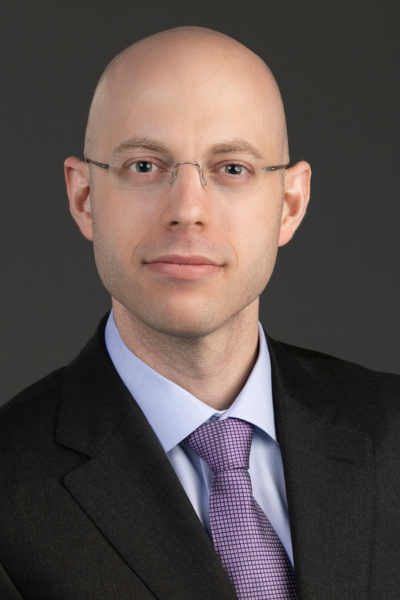
Michael Gottlieb, MD is the Vice Chair of Research and Director of the Emergency Ultrasound Division at Rush University Medical Center. He is Past-Chair of the ACEP Ultrasound Section and Past-Chair of the AAEM Ultrasound Section. He has authored over 500 peer-reviewed publications and is an Editor for Academic Medicine, The Annals of Emergency Medicine, The Western Journal of Emergency Medicine, The American Journal of Emergency Medicine, and Academic Emergency Medicine Education and Training, as well as the Social Media Editor for Academic Emergency Medicine. He is Past-Chair of the CORD Academy for Scholarship, Past-Chair of the SAEM Education Summit, Past-Chair of the CORD Education Committee, Past-Chair of the CORD Best Practices Subcommittee, and a nationally-recognized speaker and educator. His academic interests include medical education, ultrasound, infectious diseases, heart failure, and diversity, equity, and inclusion.
-
Sally A. Santen, MD, PhD
University of Cincinnati
Dr Santen is an education researcher and professor of Emergency Medicine, University of Cincinnati.
-
.jpg?sfvrsn=d57f9080_1 "cropWIIZFPXI-Presenter-ShawJ(2)")
Jazmyn Shaw, MD
University of Cincinnati
Jazmyn Shaw, MD is currently a Chief Resident at the University of Cincinnati. After graduating, she will pursue an ultrasound fellowship and a Master's in Business Administration. Jazmyn’s professional interests include ultrasound, healthcare administration and operations, with a particular focus on quality improvement, as well as medical education. She is dedicated to integrating clinical excellence with operational efficiency to improve healthcare delivery and medical training.
-
Joel Moll, MD
Virginia Commonwealth University
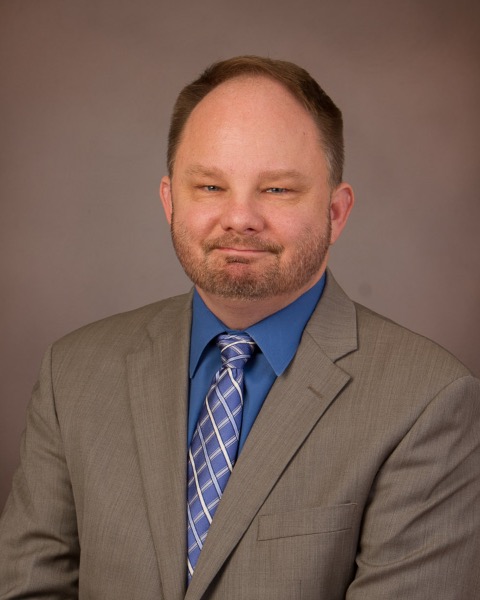
Joel Moll is Professor and Vice Chair of Education at Virginia Commonwealth University School of Medicine. Dr Moll is also Interim Assistant Dean for Faculty Affairs and one of four longitudinal Career Advisors for the VCU School of Medicine. He previously served as Residency Program Director, Medical Education Fellowship Director, and Chair of the GME Executive Committee at VCU. Dr Moll was also Associate Residency Program Director at the University of Michigan, and Assistant Residency Director and Administration Fellowship Director at Emory University. Although always interested in education, Dr. Moll started his career in operations, and was medical director at Cleveland Clinic Florida and the University of Florida Gainesville prior to joining education leadership. He has published multiple peer reviewed articles and textbook chapters, presented often at national meetings, and has served in leadership roles on national committees. He is a member of the ACGME emergency medicine residency review committee, an ABEM oral board examiner, and a member of the 2022 EM Model of Clinical Practice task force. He is past recipient of the VCU Health Leadership in Medical Education Residency Director of the year, and the VCU School of Medicine Leonard Tow Humanism Awards. His interests include graduate medical education, curriculum development, LGBTQIA+ Health and Mentorship, and health equity, inclusion, and belonging. -
Grace A. Hickam Retter, MD, MEHP
Virginia Commonwealth University
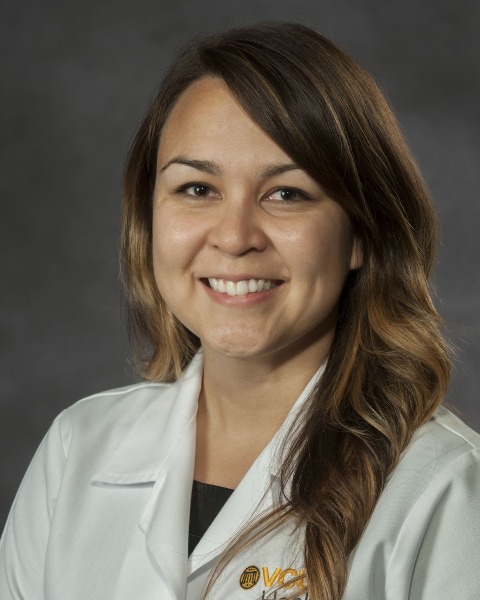
Grace Hickam, MD completed her undergraduate medical training at the Virginia Commonwealth University School of Medicine followed by her residency training also at the Virginia Commonwealth University in Richmond, VA. She has Fellowship training in Medical Education as well as a Masters in Education for Health Professionals from John Hopkins University. Her interests are in gender equity in residency training, medical education innovation, simulation, quality and safety, and educational evaluation and feedback. -
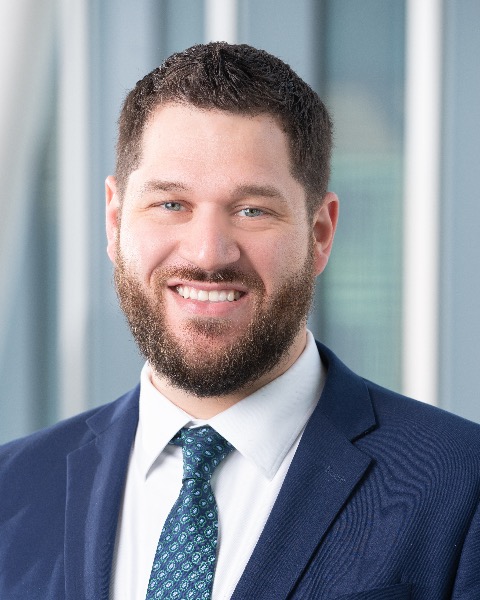
K. Robert Thompson, III, MD, MBA
University of Cincinnati
Dr. K. Robert Thompson III is currently the Medical Director at the University of Cincinnati Medical Center (UCMC) Emergency Department. UCMC is a tertiary referral center and a Level 1 Trauma Center located in an urban setting, with an annual volume of 65,000 patients. In addition to his role as Medical Director, he serves as the UC Clinical Operations and Administration Fellowship Director. He completed both his Clinical Operations and Administration Fellowship and his Emergency Medicine Residency at the University of Cincinnati.