Combating Medical Misinformation in the Post COVID-19 Era
Medical misinformation has always been present, but has grown substantially in recent years. This is somewhat due to the COVID-19 pandemic, but also many other factors including the rapid availability of high levels of unfiltered, non-expert information and opinions on social media and digital spaces. Also in attempts to counter misinformation, experts can appear to be stifling healthy academic debate.
Countering misinformation first requires one to be able to recognize misinformation. There are several characteristics of opinions or views that can characterize them as misinformation. Most notably, disagreeing with an opinion or view does not make it misinformation. Misinformation requires that the information is objectively false, and it may not be intentionally designed to cause harm. In fact, many of those who perpetuate misinformation may not intend harm to their followers, but they may have secondary gains of fame/notoriety or financial income.
Combating misinformation online is difficult as the instinct to respond to posts with factual information can actually perpetuate the misinformation by prioritizing it in algorithms. Experts suggest alternative approaches like generating truthful information or using workarounds like screenshots.
Patients who have been exposed to misinformation may have beliefs that are not grounded in science. The approach to the patient with misinformation requires a compassion-first approach. Also, physicians need to realize that many times they will not change the minds of patients who have been perpetually exposed to misinformation in a single visit, like in Emergency Medicine.
The goal of this presentation is to define misinformation and discuss ways Emergency Medicine physicians can combat it both online and with their patients.
Presenters:
- Ken Milne, MD
- Joshua J. Davis, MD
- Joshua D. Niforatos, MD, MTS
-
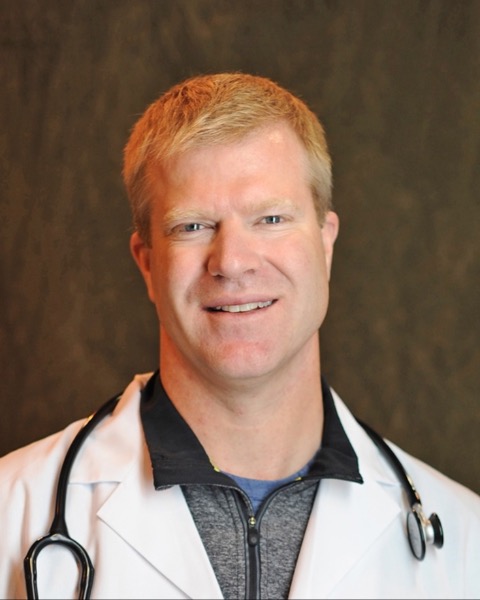
Ken Milne, MD
Western University
Dr. Milne is a staff physician at the Strathroy Middlesex General Hospital in Strathroy, Ontario, Canada. He has been doing medical research for 40 years publishing on a variety of topics. Dr. Milne has been working clinically for 29 years and is an Associate Professor in the Department of Medicine (Division of Emergency Medicine) and the Department of Family Medicine at the Schulich School of Medicine and Dentistry. He has taught evidence-based medicine, clinical epidemiology, critical appraisal and biostatistics at Western University in London, Ontario. Dr. Milne is passionate about skepticism and critical thinking. He is the creator of the knowledge translation project, The Skeptics’ Guide to Emergency Medicine (TheSGEM). Currently, Dr. Milne is doing his Executive MBA at the Ivey School of Business. Ken is married to Barb and has three amazing children.
Dr. Milne serves as a senior editor of Academic Emergency Medicine. He has no funding from the pharmaceutical or biomedical device industry. He is on faculty for the Center for Medical Education and EMRAP. Dr. Milne does partake in medical malpractice reviews and holds a patent on a pediatric resuscitation device. -
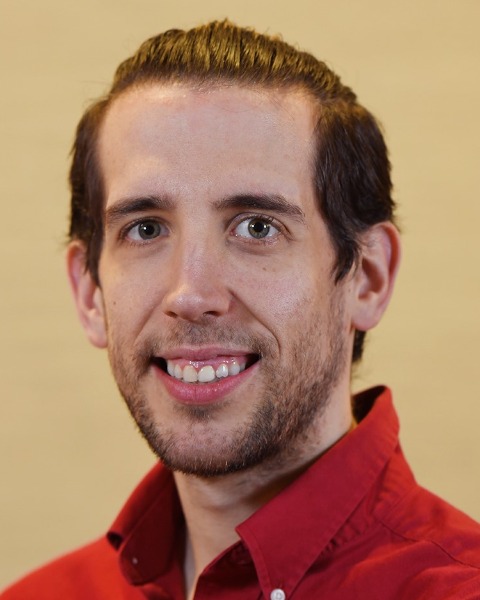
Joshua J. Davis, MD
Assistant Professor, Clinical Medicine
Kansas College of Osteopathic Medicine
Joshua Davis, MD, is an emergency physician in Wichita, KS, who teaches as a faculty member instructor at the Simulation Center University of Kansas School of Medicine - Wichita and a Course Director and Assistant Professor of Clinical Medicine at Kansas College of Osteopathic Medicine. He is the Assistant Medical Director for Ultrasound, Quality, and Research with Vituity in Wichita, KS. His research interests are broad and include emergency medicine clinical topics along with patient safety, interprofessional communication, handoff communication, procedural competency, and medical education. He has published over 75 peer reviewed articles, given multiple national presentations, and written several book chapters. He is involved in developing several national guidelines and curricula.
-
Joshua D. Niforatos, MD, MTS
BerbeeWalsh Department of Emergency Medicine University of Wisconsin School of Medicine & Public Health
Dr. Niforatos graduated with bachelor of arts degrees in ethnology and linguistics, and separately in biology, from the University of New Mexico. He completed a Master of Theological Studies in philosophy, theology and ethics at Boston University School of Theology prior to obtaining his medical degree from the Cleveland Clinic Lerner College of Medicine (CCLCM).
After medical school, Dr. Niforatos completed his residency training in Emergency Medicine at The Johns Hopkins University School of Medicine/The Johns Hopkins Hospital. While in residency, he was the resident research committee chair and focused his time on the Emergency Medicine Evidence-Based Guideline Committee, the Improved Clinical Efficiency Committee, and presented lectures on research and biostatistics to residents.