Building and Sustaining Peer Support Programs (Wellness Committee-Sponsored)
Learning Objectives:
Learning Objectives:
- Analyze the role of a Peer Support Program and the key components of a successful Peer Support Program.
- Outline steps for implementing a Peer Support Program and discuss specific training and resources for Peer Supporters.
- Explore strategies for promoting and sustaining a Peer Support Program.
Presenters:
- Victoria Lynn Zhou, MD
- Al'ai Alvarez, MD
- Saadia Akhtar, MD
- Rita A. Manfredi, MD
- Laura McPeake, MD, MSc.
- Suzanne (Suzi) Bentley, MD, MPH
- Andrew C. Wong, MD, MBA
- Hannah Chason, MD
-
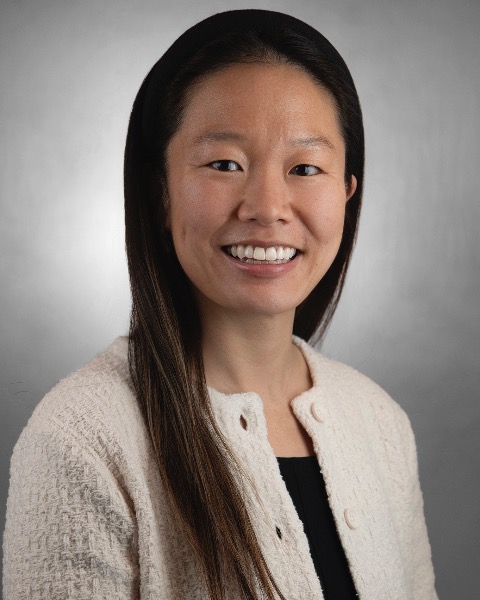
Victoria Lynn Zhou, MD
University of Vermont
Dr. Victoria Zhou is an Assistant Professor of Emergency Medicine at the University of Vermont. She currently serves as Interim Assistant Program Director for the University of Vermont Emergency Medicine Residency.
-
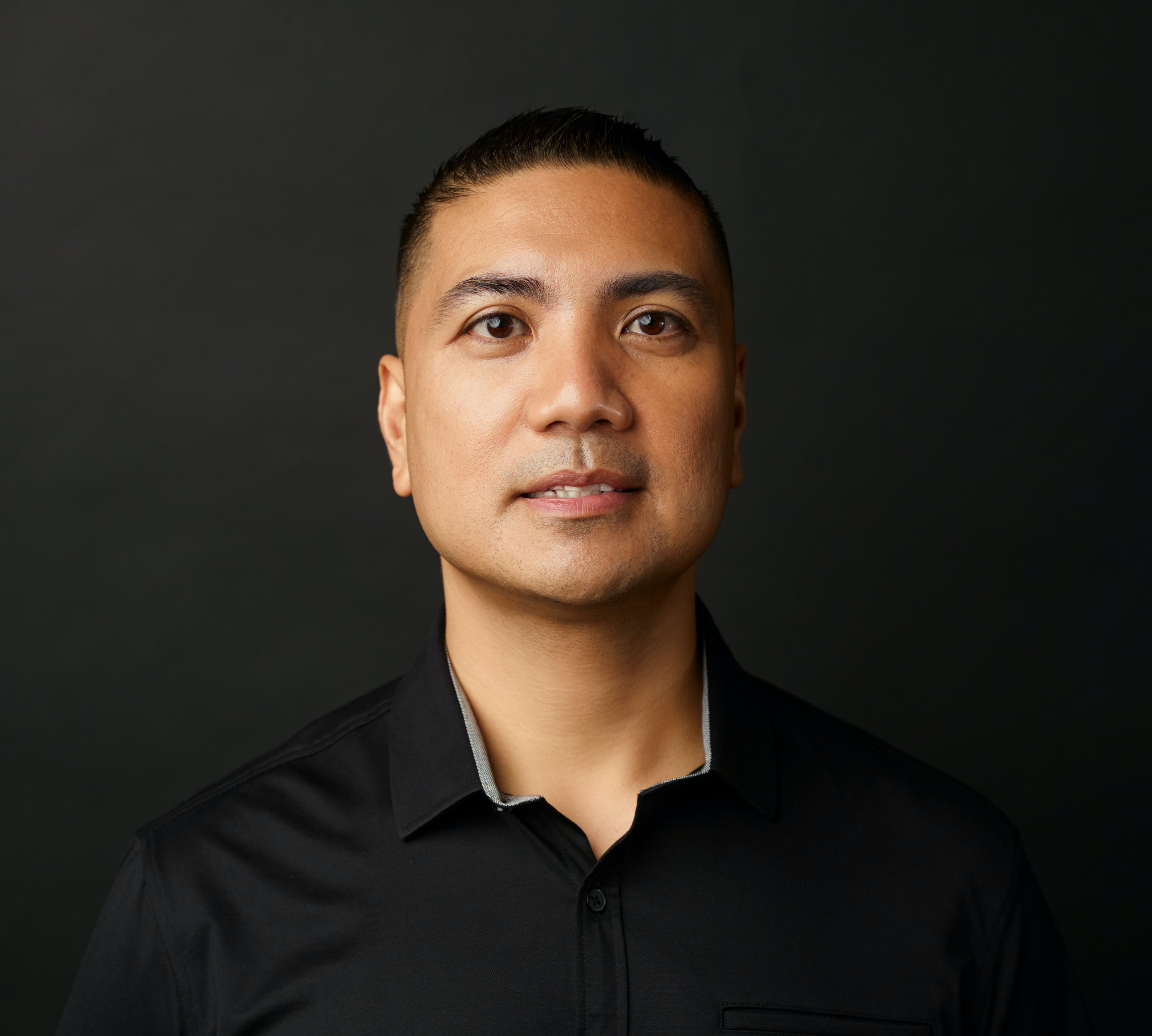
Al'ai Alvarez, MD
SAEM Nominating Committee Member
Stanford Emergency Medicine
My long-term interest is to study the intersection of Medical Education, Process Improvement (Quality and Clinical Operations), Representation (Diversity), and Well-being (Inclusion/Belonging) through human-centered design. My academic and professional experience has provided me with an excellent background in understanding the drivers for professional fulfillment in medicine and its interplay on efficiencies of care, the culture of wellness, and personal resilience, as highlighted by Stanford WellMD’s Professional Fulfillment Model. Specifically, my work investigates the role of self-compassion and resilience in promoting belongingness and overcoming isolation and loneliness in medicine exacerbated by experiences of medical harm, vicarious trauma, implicit bias, microaggressions, and imposter phenomenon.
I graduated from the faculty fellowship at the Stanford Byers Center for Biodesign, where I explored the role of mindfulness in resuscitations. Furthermore, I co-directed and organized the inaugural High-Performance Resuscitation Teams Summit in May 2022 in Chicago, IL, in collaboration with Mayo Clinic and the Mission Critical Teams Institute, to understand commonalities among high-performing teams in healthcare, aerospace, sports, military, special operations, and fire rescue.
As an attending EM physician, I served as the Assistant Medical Director on Quality Education and Clinical Operations at the Santa Clara Valley Medical Center Emergency Department (ED), the busiest ED in Northern California. This role offered me direct insight into drivers of burnout through inefficiencies in clinical practice and the need for a culture of wellness, especially in quality improvement and peer review. As an Associate Residency Program Director at the Stanford Emergency Medicine Residency Program (2015-2021), I led initiatives to enhance personal resilience while advocating for improving the clinical and learning environment to improve well-being and professional fulfillment.
Currently, I am the Director of Well-Being and co-chair of the Human Potential Team at Stanford Emergency Medicine. I also serve as the Stanford EM Physician Wellness Fellowship Director. As the chair of the Stanford WellMD Physician Wellness Forum, I lead monthly discussions to understand how better to optimize clinical practice environments to improve well-being and professional work-life balance.
As Chair of the SAEM Wellness Committee (2022- ), we are spearheading the “October is #StopTheStigmaEM month,” which has been the most extensive campaign for SAEM, mobilizing national organizations in EM and leveraging social media to increase awareness and support efforts to humanize physicians, prioritize mental health, and normalize receiving mental health support.
Given my disparate physician leadership and clinical experience, I offer a unique and valuable perspective in serving on the Nominations Committee. I aim to continue fostering collaboration, empowerment, and self-compassion in academic emergency medicine's learning and work environment. This includes finding ways to recognize the work of academic EM physicians and EM bound trainees. -
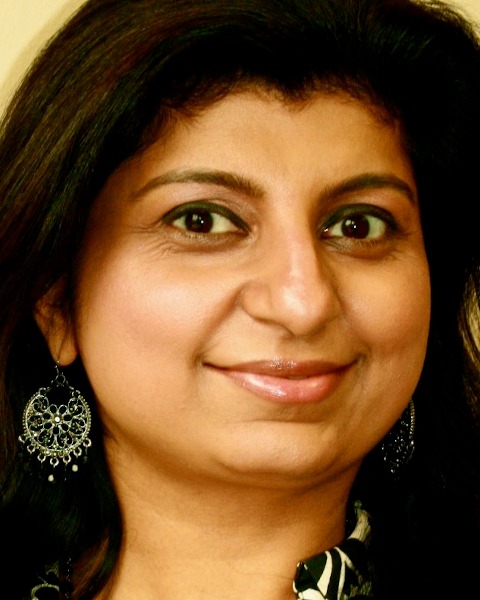
Saadia Akhtar, MD
Senior Associate Dean for Trainee Well-Being in Graduate Medical Education
Icahn School of Medicine at Mount Sinai
Saadia Akhtar, MD, is a professor of emergency medicine and medical education and senior associate dean for trainee well-being in graduate medical education at the Icahn School of Medicine at Mount Sinai. Since 2018, she has served as associate dean for trainee well-being in graduate medical education, overseeing several successful initiatives to enhance the well-being of residents and clinical fellows. These initiatives include establishing a GME well-being survey to assess the needs of residents and fellows, expanding the GME Well-being Champion program, and creating the GME Clinical Work Intensity Matching Grant Program.
In 2024, Dr. Akhtar was promoted to senior associate dean for trainee well-being in GME, continuing to lead efforts to address resident and fellow burnout. She supports collaborative initiatives to create and integrate well-being curricular activities in training programs, raise awareness of existing resources for residents and fellows, and enable GME Well-being Champions to enhance the efficiency and culture of the training environment. She is also a leading faculty member of the Office of Well-Being and Resilience.
Dr. Akhtar previously served as the director of the emergency medicine residency program at Mount Sinai Beth Israel. She is a former president of the Council of Residency Directors in Emergency Medicine (CORD) and an oral board examiner for the American Board of Emergency Medicine (ABEM). She has received numerous awards, including the ACGME Parker J. Palmer Courage to Teach Award for program director excellence and the CORD Michael P. Wainscott Program Director Award. She is the course co-director for the Collaborative for healing and Renewal in Medicine (CHARM) national GME Well-being Leaders Certificate Course. Dr. Akhtar completed a combined residency in emergency medicine and internal medicine at Mount Sinai Beth Israel and served as chief resident in her final year of training.
-
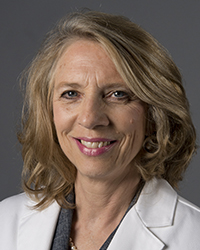
Rita A. Manfredi, MD
Professor, Clinical Emergency Medicine
George Washington University School of Medicine and Health Sciences
Rita A. Manfredi, MD, is a Professor of Clinical Emergency Medicine at the George Washington University School of Medicine and Health Sciences. She started her career as a US Navy Flight Surgeon and completed an Emergency Medicine residency at the University of Massachusetts. She previously completed a fellowship in Health and Spirituality at the George Washington Institute for Spirituality and Health, recently became board-certified in Hospice and Palliative Medicine and is interested in integrating Palliative Medicine concepts into the care of patients in the ED. Dr. Manfredi is an active member of the SAEM Wellness Committee and has introduced a Storytelling in EM event at national SAEM conferences for the past 3 years. In 2021, Dr. Manfredi received ACEP’s Lifetime Achievement Award: The Pamela Benson Trailblazer Award for seminal contributions over time to the growth of the College and to the specialty of emergency medicine. Dr. Manfredi’s work in Wellbeing focuses on how the system or organization impacts the wellness of the individual health care provider.
-
Laura McPeake, MD, MSc.
University of Vermont, Department of Emergency Medicine
Laura McPeake, MD, MSc is an associate professor of emergency medicine. She is the Director for Physician Well-being and Organizational Culture for the Department of Emergency Medicine at UVM after serving in a similar role at Warren Alpert School of Brown University until 2020. She attended medical school at SUNY Downstate Medical School in Brooklyn and did her emergency medicine residency at Alpert Medical School of Brown University, Providence, RI. She worked in community emergency medicine in Urbana, IL for 2 years before returning to an academic position at Brown where she developed her work in physician wellness. She has worked nationally within multiple emergency medicine national organizations to forward wellness initiatives on a national and practice group policy level. She completed Master’s Degree in Social and Behavioral Health Sciences at Brown School of Public Health as part of a faculty development grant through the Department of Emergency Medicine at Brown to evaluate and implement and evaluate physician wellness programs. Her interest in physician wellness came from over 30 years of experience practicing and teaching meditation. She is particularly interested in applying empathy training and mindfulness/self-awareness techniques as an antidote for burnout and dissatisfaction in emergency medicine and as way to be more present for patients and colleagues. She presents locally and nationally on the topic of physician and emergency medicine wellness including lectures and workshops. She has also taught in the medical school in the preclinical years as both a small group leader and clinical mentor in order -
-bentley-md-mph.jpg?sfvrsn=eaffdafb_4 "Suzanne (Suzi) Bentley, MD, MPH")
Suzanne (Suzi) Bentley, MD, MPH
Chief Wellness Officer
NYC Health + Hospitals/Elmhurst
Suzanne (Suzi) Bentley, MD, MPH, is the Chief Wellness Officer, Director of Simulation Innovation & Research, and an Emergency Medicine physician at NYC Health + Hospitals/Elmhurst. She is a Professor of Emergency Medicine and Medical Education at the Icahn SOM at Mount Sinai. Dr. Bentley completed the Mount Sinai Emergency Medicine residency, Masters of Public Health at Mount Sinai, and a fellowship in Simulation Education at the Institute for Medical Simulation and Advanced Learning of Health + Hospitals. Dr. Bentley stayed on as faculty at Elmhurst after training and served as residency Site Director before transitioning to Medical Director of Simulation and collaborating on opening the hospital-wide Simulation Center. She credits her passion for and expertise in debriefing as the unifier in her professional roles. She led the initiation of Helping Healers Heal at Elmhurst and became the first Health + Hospitals site Chief Wellness Officer in 2021. Dr. Bentley is a clinician, educator, and researcher with focused interests in debriefing, psychological safety, Insitu simulation, simulation for systems testing, teamwork maximization, patient and workforce safety, Safety II principles, and overall workforce well-being and advocacy. She advocates for workforce well-being improvements through focus on the integral connection between quality, patient safety, and workforce well-being. -
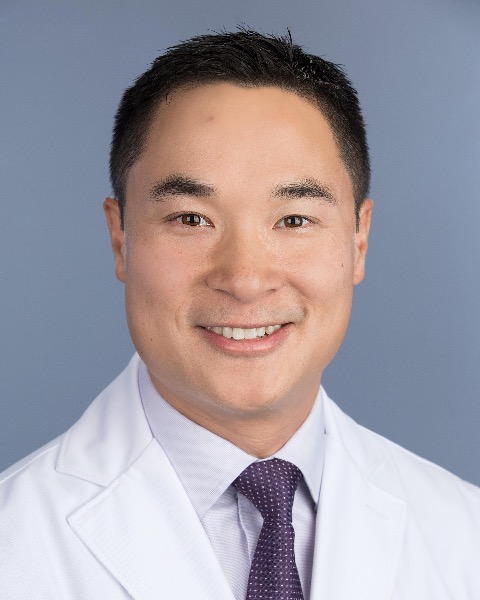
Andrew C. Wong, MD, MBA
UC Davis Medical Center
Andrew Wong is a Clinical Professor of Emergency Medicine at UC Davis Health. He did his residency training at the University of Michigan. He was a fellow in the UC Davis/UC Irvine Clinical Health and Wellbeing Fellowship in 2020 and currently serves as a member of the UC Davis Health's Department Wellness Champion Committee and is a peer responder in the UC Davis Support U Peer Responder Program. In addition to the roles above, he serves as the Medical Director of UC Davis Health Managed Care. -
Hannah Chason, MD
Brown Emergency Medicine
I am an attending physician and assistant professor with Brown Emergency Medicine in Providence, RI. I am also the coordinator of the Critically Important Peer Support (CIPS) program in our department which provides training and peer support to our residents, faculty, and APPs.