Bringing Simulation to Low- and Middle-Income Countries With Virtual Resuscitation Rooms as a Global Training Tool: A Panel Discussion (GEMA- and Simulation Academy-Sponsored)
This session presents lessons learned from comparing virtual resuscitation room (VRR) simulations with case-based discussions to assess knowledge and self-efficacy among emergency medicine trainees in India, as part of George Washington University's Master of Emergency Medicine program. The panel will include faculty from diverse backgrounds, offering a multi-disciplinary perspective. Participants will learn how to create VRR scenarios, engage virtual audiences effectively, incorporate culturally relevant stimuli, and apply culturally specific debriefing skills in distance simulation. This session aims to provide practical strategies for enhancing virtual emergency medicine training and improving the effectiveness of remote simulations in diverse settings.
Learning Objectives:
- Adapt clinical cases to the Virtual Resuscitation room using culturally and contextually specific stimuli
- Describe the training of debriefing skills for distance simulation
- Discuss methods to engage psychomotor skills in distance learning and develop ways to incorporate procedures in VRR
Presenters:
- Mallika Manyapu, MD, MPH
- Debayan Guha, MD
- Maninder Singh, MD
- Kate Douglass, MD, MPH
-

Mallika Manyapu, MD, MPH
George Washington University
I am currently a second-year global health fellow at George Washington University with plans to complete my fellowship in July 2025. I have a strong background in global health and a passion for improving healthcare access and outcomes worldwide.
Throughout my academic journey, I have actively engaged in projects that have allowed me to develop a well-rounded understanding of the challenges faced in global health, especially humanitarian response, workforce capacity building and medical education. My journey in global health, specifically, began in medical school where I also completed a Masters in Public Health in global epidemiology from Emory University, and gained comprehensive knowledge in global health issues, epidemiology, policy, and program management.
I completed my emergency medicine residency at Montefiore, Jacobi, and Albert Einstein in the Bronx, New York. During residency, I worked extensively with the underserved population in the Bronx, and as a chief resident, focused on wellness initiatives for residents, developing curriculums, and providing mentorship. I also volunteered through various organizations in India, Jamaica, and Poland, providing healthcare, teaching local providers, and participating in program improvement task forces.
As a fellow at George Washington University, I have been involved in many projects involving education, capacity building, and humanitarian response. My experiences have allowed me to participate in projects alongside organizations such as WHO and International Medical Corp. I have traveled to Ukraine, India, Uganda, Kenya, Jamaica, and Rwanda during my fellowship thus far and hope to continue working in these spaces to improve clinical care in low-resource and challenging settings. My long-term goal is to continue building on these experiences and establish a role in organizations that specifically focus on building capacity and providing healthcare in challenging environments. -
Debayan Guha, MD
Jacobi Medical Center
Debayan Guha is a simulation-trained, Emergency Medicine faculty at Jacobi Medical Center, and Clinical Instructor at Albert Einstein College of Medicine. His interests include global health, distance simulation, graduate and undergraduate medical education. -
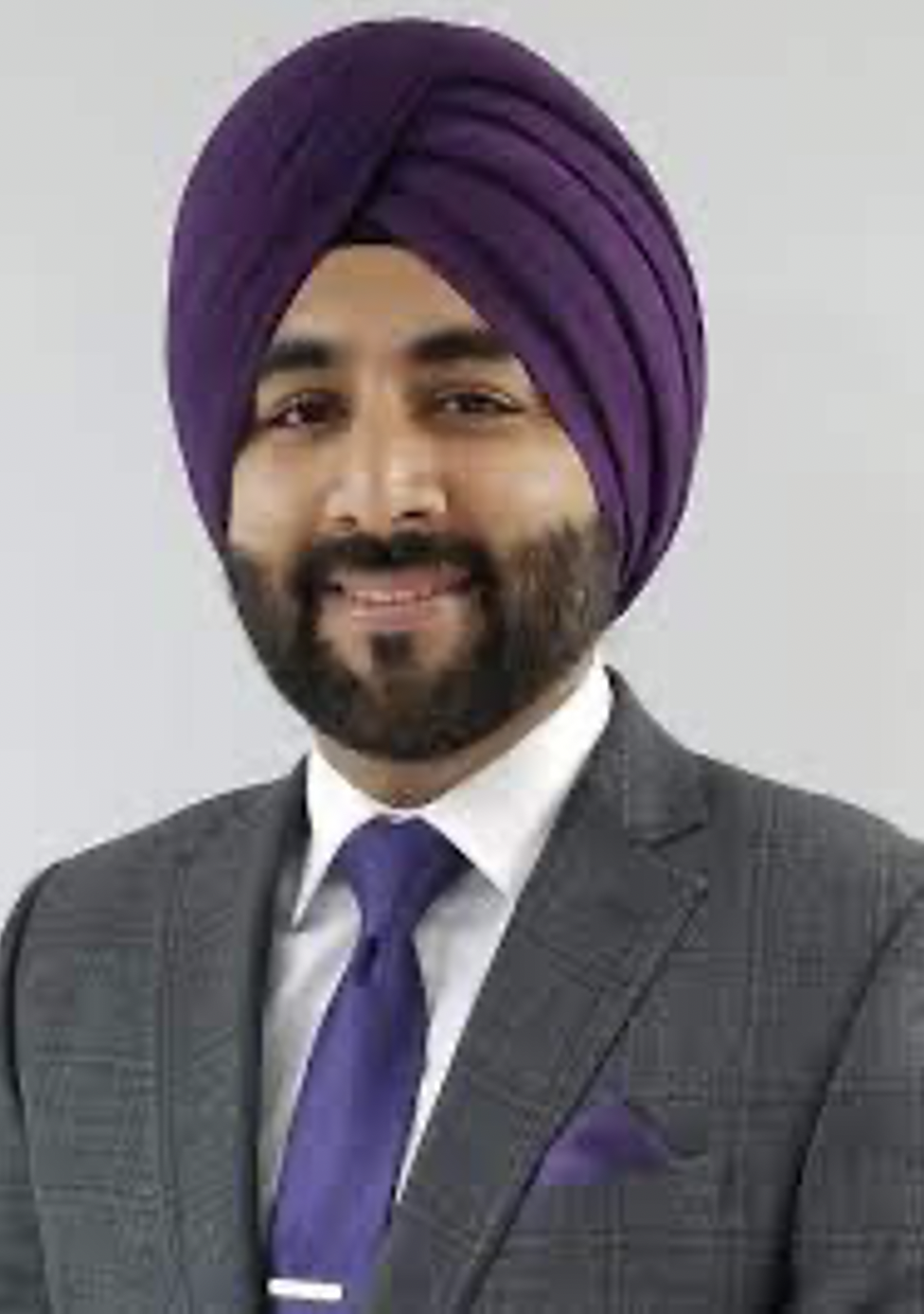
Maninder Singh, MD
Jacobi Medical Center
Maninder Singh is an Associate Professor at Albert Einstein College of Medicine and is currently Director of Healthcare Simulation at Jacobi Medical Center and North Central Bronx. He completed a simulation fellowship at the Institute for Medical Simulation and Learning at the NYC Health and Hospitals Corporation. He is a graduate of the Sophie Davis School of Biomedical Education and SUNY Downstate. He completed his Emergency Medicine residency at Albert Einstein College of Medicine//Jacobi + Montefiore Medical Center, where he joined as faculty after completing his chief resident year. He is also the Simulation and Education Fellowship Director at Jacobi Medical Center. His professional interests include resident education, resuscitation, simulation, and trauma. He is a part of the AllNYCEM SIMWars Committee and helps organize a yearly simulation competition amongst various emergency medicine residencies in NY.
-
Kate Douglass, MD, MPH
George Washington University School of Medicine
Dr. Kate Douglass is an Associate Professor of Emergency Medicine and Global Health at George Washington University. She completed her residency training in Emergency Medicine at Drexel University in 2005, then came to GWU to complete fellowship training in International Emergency Medicine as well as a Master of Public Health. She has served as the director of the Global Emergency Medicine Fellowship at GWU since 2007 and she is currently the Department Section Chief of Global Emergency Medicine.
Dr. Douglass is specifically interested in international emergency medical systems development with a focus on sustainability, cost effectiveness, and effective educational interventions. She has worked extensively with international medical programs and policy initiatives, including projects in India, Kenya, Saudi Arabia, Zambia, Turkey, Ethiopia and Peru. She has worked in partnership with programs across the nation of India to build Emergency Medicine workforce, building capacity among Emergency Physicians to address India’s severe Emergency Medicine Human Resource shortage and injury epidemic. She has worked over her career with consensus groups at the national and international level to develop guidelines for trainees embarking on global health experiences.
Dr. Douglass also served as a Senior Technical Clinical advisor for FHI360 from 2021 – 2023 as part of the global COVID response team. In this role, she supported a robust profile of countries in their pandemic response planning, providing technical expertise. Her passion for global EM systems development has been bolstered by the COVID pandemic, a crisis that further clarifies the universal need for effective emergency and acute care.