Breaking Bias: Cultivating Inclusive Learning Environments in Medical Education (ADIEM and AWAEM Sponsored)
This is a ticketed event. This enlightening workshop will delve into the often-neglected realms of equity and inclusion in medical education. While recruitment efforts focus on diversity, this workshop emphasizes the importance of fostering an inclusive culture clinically and in the classroom. Discover how bias manifests in feedback, evaluation, SLOEs, and opportunity gaps, hindering true diversity, equity, and inclusion efforts. Gain practical strategies to mitigate bias and cultivate a supportive learning environment. Gain actionable insights and techniques to become an effective upstander ally.
Presenters:
- Stacey Frisch, MD, MS-HPEd
- Smruti Desai, DO,MPH,MA
- Sree Natesan, MD FACEP
- Arlene S. Chung, MD, MACM, FACEP
- Melanie Cheng, MD
- Emily C. Cleveland Manchanda, MD, MPH
- Caitlin M. Farrell, DO, MPH
- Carly Polcyn, MD
- Nikkole J. Turgeon, MD
- Alejandro Aviña-Cadena, MD, MPH
- Denisse Rojas Marquez, MD, MPP
- Ernesto J. Romo, MD
- Al'ai Alvarez, MD
-
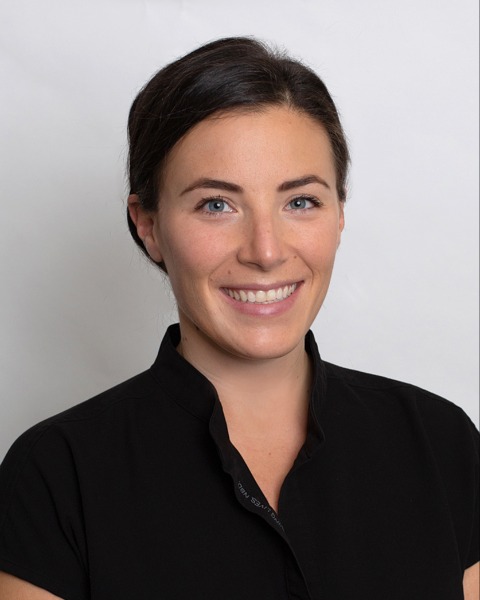
Stacey Frisch, MD, MS-HPEd
NYU Langone Health/Grossman School of Medicine
Stacey Frisch is an Associate Program Director at the NYU Grossman School of Medicine Emergency Medicine Residency Program. She recently graduated from medical education fellowship at Maimonides Medical Center in Brooklyn, NY, where she led resident didactic education and the developed a women's professional development program.
Previously, Dr. Frisch was a chief resident in Emergency Medicine at SUNY Downstate Medical Center and Kings County Hospital in Brooklyn, NY, where she implemented a pregnancy-friendly shift schedule for residents and faculty and developed an equitable parental and sick leave policy.
As a medical educator, Stacey Frisch is passionate about training the next generation of emergency medicine physicians to deliver high quality care to all patients. -
Smruti Desai, DO, MPH, MA
Maimonides Medical Center
Dr Smruti Desai is an ED Attending Physician and simulation faculty member at Maimonides Medical Center in Brooklyn, NY. Her work is focused on using simulation to strategize diversity, equity and inclusion in the workplace. Previously, she was the founder and chair of the first GME DEI council at SUNY Downstate Medical Center, through which she established sustainable social justice, community engagement and URM sponsorship projects. Her work won the ACGME Barbara Ross-Lee DEI Award in 2022 for SUNY Downstate. Her clinical interests include advocacy for vulnerable populations and using community engagement to addressing systemic racism in health care.
Dr. Desai has founded DEI efforts in upstander training and response at Maimonides Medical Center, and has provided talks regionally on the subject, as well as workshops nationally and locally including at SAEM 23. -
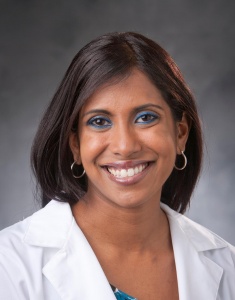
Sreeja M. Natesan, MD
Duke University, Durham NC
I am an associate professor and associate program director at the Duke University Emergency Medicine Program, as well as the Duke EM Justice, Equity, Diversity & Inclusion co-founder/co-chair. My primary area of interest and expertise is in diversity & inclusion, clinical teaching, and feedback. I am enthusiastic, with a passion for collaboration growing talent, and helping to contribute through my project management, organizational, and communication skills. I have served on several national committees for education & diversity including helping with the Educational Summit for SAEM, helping to create a DEI mini-track for CORD last year, being a speaker for the DEI webinar series for ADIEM in 2020, and serving as co-founder and facilitator for CORD DEI Stronger Together bookclub, among other contributions. I possess a broad clinical and research training experience centering around project management, collaboration, and educational skills training. Briefly, this includes Duke Teach Equity Now, Duke Moments to Movement Foundation Course, ACEP Teaching Fellowship, ALiEM Faculty Incubator Program (where I now serve as chief operation officer), AAMC Medical Education Research Certificate program, Duke Educational Skills Longitudinal Mentorship Program, and Duke Academy for Health Professions Education and Academic Development (AHEAD) Med Ed Certificate Program, among other development.
I would be honored to work with others to advance diversity, equity, and inclusion for our medical education community through education and research. I believe together collectively, we have the power to have a greater impact and am excited to be involved further to give back to our community. I desire to help disseminate knowledge by curating and providing resources to our community surrounding Diversity in Medical education, best practices/promising practices surrounding faculty/resident recruitment with the use of holistic review, and mitigating bias in the education/feedback we provide. I helped lead our CORD Best Practice team to focus on 3 papers regarding DEI in med ed (Holistic Review & Mitigating Bias; Physician Pipeline and Pathway Program; both under review by WestJem; Faculty Recruitment and Representation - accepted for publication). I believe through ADIEM we could do similar work to help serve our community.
I have been able to do some work surrounding this here at Duke by teaching holistic review to our program directors at our institutional GME meetings. I would love to have regular offerings to our community in the form of skills training and workshops to practice tools that can then be shared at the participant’s local institutions. By doing so, we can have a larger impact on our work and reach. I look forward to the opportunity to be involved, create networks and relationships, and to serve our ED community.
-
Arlene S. Chung, MD, MACM, FACEP
Vice Chair of Education
University of Vermont
Dr. Chung is the Vice Chair of Education and Program Director for the Maimonides Medical Center Emergency Medicine Residency Program and an Associate Professor of Clinical Emergency Medicine at the State University of New York Downstate College of Medicine. She serves on the Board of Directors for the Council of Residency Directors in Emergency Medicine and the Board of Directors for the New York Chapter of the American College of Emergency Physicians. Dr. Chung was the recipient of the New York ACEP Advancing Emergency Care Award in 2018 and recognized as one of the original EMRA 45 Under 45 Young Physician Influencers in Emergency Medicine in 2019. She was honored nationally as the 2022 Residency Director of the Year by EMRA. As a nationally recognized speaker and educator, Dr. Chung has made advocating for physician wellness a central focus of her career through lectures, teaching, policy development, and creating sustainable solutions for the future. -
Melanie Cheng, MD
NYC H+H/Kings County
Dr. Cheng is a pediatric hospitalist and Associate Chief Medical Officer for the GME at SUNY Downstate.
-
Emily C. Cleveland Manchanda, MD, MPH
Boston Medical Center
Emily Cleveland Manchanda, MD, MPH is the Director for Social Justice Education and Implementation within the Center for Health Equity at the American Medical Association (AMA). She is also an Assistant Professor of Emergency Medicine at the Boston University School of Medicine, the Co-Director for the Boston Medical Center Executive Fellowship in Health Equity, and works clinically as an attending physician in the Emergency Department at Boston Medical Center. At the AMA, Dr. Cleveland Manchanda leads and oversees the AMA Center for Health Equity’s education portfolio. Her work focuses on coordinating effective action across sectors to promote social justice and equity in health, pushing health systems to address social and structural drivers of health, and supporting the development of health care leaders equipped to effectively advance justice in healthcare for patients, families, staff, communities and populations. Her research, educational and advocacy work primarily focus on addressing racism and other intersecting systems of oppression in medical education and clinical care.
After graduating from Yale with a degree in Art History and French, Dr. Cleveland Manchanda spent two years working in the public health sector in Liberia with the Clinton Foundation before attending medical school at the University of Pennsylvania. She obtained her MPH from Columbia University’s Mailman School of Public Health, and subsequently completed her residency training at the Harvard-Affiliated (MGH-BWH) Emergency Medicine Residency, where she served as a chief resident. She joined the faculty at Boston University School of Medicine in 2020, and the AMA in 2021. Dr. Cleveland Manchanda and her husband Gaurav met while working in Liberia, and now live in the Boston area with their three delightfully strong-willed children. -
Caitlin M. Farrell, DO, MPH
Boston Medical Center
Caitlin M. Farrell is an Emergency Physician at Boston Medical Center and Assistant Professor of Emergency Medicine at the Boston University Chobanian and Avedisian School of Medicine Caitlin graduated from Trinity College with a degree in Biology and Writing. After college, she worked as a preschool teacher at a Head Start in Las Vegas, Nevada, after which she turned her attention to public health and obtained a Masters in Public Health from Boston University with a specialization in Health Policy and Advocacy. She completed her Emergency Medicine training at Baystate Medical Center in Springfield, Massachusetts where she also served as Chief Resident. She then completed her Health Equity Fellowship at Boston Medical Center where she focused on improving healthcare for incarcerated populations. She has served in several leadership roles within organized medicine, including the American Medical Association and the Massachusetts Medical Society. Her academic work is focused on improving the care of incarcerated patients through research and advocacy. Her work has been published in medical journals such as the American Journal of Public Health as well as the New York Times. Additionally, she works closely with the Medical Justice Alliance on medical parole and authors affidavits for patients seeking medical parole. She also visits jails across Massachusetts to perform dementia screenings for patients seeking medical parole. Caitlin aims to advance research, advocacy, and improve health inequities for the marginalized incarcerated population. She lives in Boston with her husband.
-
Carly Polcyn, MD
Boston Medical Center
Carly Polcyn is a second year resident in Emergency Medicine at Boston Medical Center. She was born and raised in a small town in southeast Ohio. Dr. Polcyn attended the Ohio State University where she earned a Bachelor’s Degree in Biology. During this time, Dr. Polcyn developed a passion for service, as she spent her summers in Guatemala and Panama working in free medical clinics. She then completed medical school at the University of Toledo College of Medicine and Life Sciences. Dr. Polcyn served as president of the Women in Medicine Standing Committee of the American Medical Association Medical Student Section, wrote health policy resolutions, and published a variety of editorials in collaboration with medical students across the country. She then followed her passion for health equity and moved to Boston to start residency at Boston Medical Center.
-
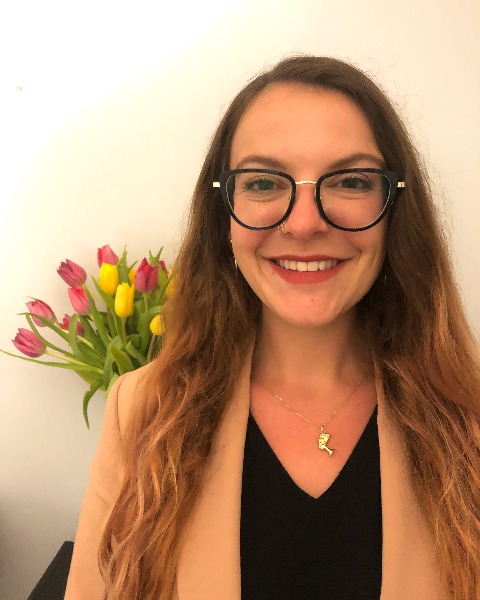
Nikkole Turgeon, MD
Boston University School of Medicine
Nikkole Turgeon, MD is a current PGY-2 resident in Emergency Medicine at Boston Medical Center Emergency Department. In her work within the BMC EM residency, she focuses on the development and implementation of a longitudinally integrated health equity curriculum. She also serves as co-chair of the BMC EM Residency Justice, Equity, Diversity, Inclusion (JEDI) Committee. Within this role, she is working to promote a more inclusive environment for residents through various initiatives. Her current interest in global health work is focused on the advancement of building equitable emergency care systems.
Nikkole grew up in Rhode Island and obtained a B.S. in Medical Laboratory Sciences in 2016 from the University of Rhode Island. During undergrad, she spent time working at a free clinic in Providence, RI where she saw the positive impact that community engagement and advocacy have on advancing health equity. Before medical school, Nikkole was the recipient of a Boren Scholarship that granted her the opportunity to live and work in Mozambique, Africa for six months. She pursued her interest in infectious diseases by working at a tuberculosis clinic and this experience strengthened her interest in pursuing global health work. She obtained her Medical Degree from the University of Vermont Larner College of Medicine in 2018. During her four years in medical school, she dedicated her time to focusing on local and global health equity work. Specifically, she worked on various social justice-related projects including co-leader of the student leadership group, The Social Justice Coalition, and spearheaded the creation and implementation of a social determinants of health curriculum within emergency medicine clerkship. Nationally, she has worked with ACEP and EMRA on advocacy efforts and the development of multiple policy resolutions focused on the advancement of social EM. Her global interests have focused on decolonizing global health and now serves as a co-chair for the Global Emergency Medicine Academy’s Decolonizing Global Health group. Nikkole’s current leadership and other committee roles include Vice Chair of EMRA’s SEM committee, member of the CUGH’s Advocacy and Communications Committee, and SAEM’s Equity and Inclusion Committee. -
Alejandro Aviña-Cadena, MD, MPH
Boston Medical Center
Alejandro Aviña-Cadena MD, MPH (Dr. Aviña, He/Him) is a first-generation Mexican-American physician, born and raised in Los Angeles. He is a current second year Emergency Medicine resident at Boston Medical Center (BMC) and a proud product of the public school system and community college. After he transferred to a 4 year university, he spent the next few years at the University of California, Irvine (UCI) where he received his Bachelors of Science, completed a Post-Bacc program, completed a Masters in Public Health and completed his medical degree as a leader in UCI’s Program in Medical Education for the Latino Community (PRIME-LC). Dr. Aviña is a first-generation Mexican-American physician and his lived experiences served as a motivation for his work in health equity. In addition to serving as the Latino Medical Student Association (LMSA) chapter president as a medical student, PRIME-LC president and conducting research on food insecurity and Dr. Aviña spearheaded UCI School of Medicine’s first 4-year longitudinal Social Determinants of Health curriculum where he worked with a number of key stakeholders to incorporate his curriculum into every major educational experience at UCI’s School of Medicine. Now in residency, Dr. Aviña is a co-president for BMC’s Emergency Medicine Justice Equity Diversity and Inclusion (JEDI) program in addition to conducting research/quality improvement projects on incorporating a patient’s social context to their plan of care in the ED and has worked on a number of diversity/health equity projects that have promoted program recruitment and resident well-being. Now almost 2 years living in Boston, Dr. Aviña and his wife recently expanded their family and are excited for where the next few years will take them.
-
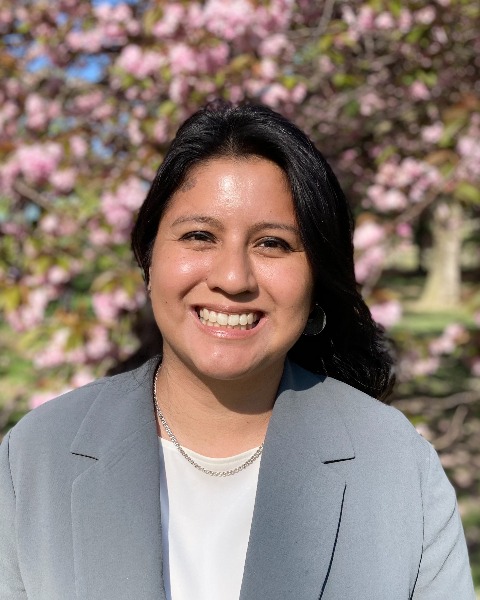
Denisse Rojas Marquez, MD, MPP
Boston Medical Center
Denisse Rojas Marquez, envisions a health care system where no individual is excluded. Growing up as an undocumented immigrant, she and her family had limited health care options and as a result, they would delay treatment for illnesses and use free or subsidized health care. Through these difficult experiences, Denisse was inspired to become a doctor in underserved communities that advocates for all patients and is a leader in shaping health care policies. Denisse co-founded a national organization called Pre-Health Dreamers (PHD) to provide advising, resources and advocacy for other undocumented youth like herself. In just a few years, PHD has reached over 1,000 members in 48 states.
Through Denisse’s leadership, the organization co-sponsored legislation to allow California licensing boards to award professional licenses to individuals regardless of immigration status, given all other requirements are met, and engage in institutional advocacy in partnership with other academic groups. She co-authored an article in Academic Medicine that provides guidance on considering DACA recipients for residency positions. As a result of PHD’s advocacy, more health professional programs will consider undocumented students for admission. Denisse completed her MD at the Icahn School of Medicine at Mount Sinai and her Masters in Public Policy at the Harvard Kennedy School of Government. She is currently an emergency medicine resident at Boston Medical Center. Denisse has devoted herself to a life of service through direct care, research, and policy to ensure that quality health care is accessible to all underserved communities and higher education is attainable for underrepresented minority students.
-
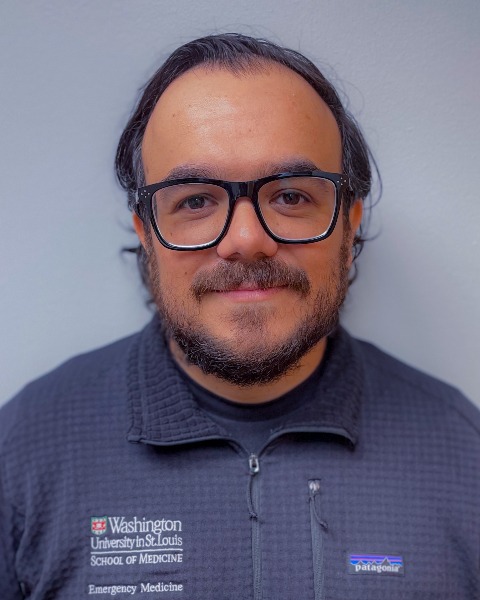
Ernesto J. Romo, MD
Washington University Department of Emergency Medicine
Ernesto Romo, MD, currently works at Washington University School of Medicine at Saint Louis in the Department of Emergency Medicine. He completed an emergency medicine residency at Cook County Hospital inChicago. He also completed a simulation fellowship at Cook County Hospital in Chicago. He is the director of diversity, equity and inclusion and the director of simulation for the Department of Emergency Medicine. Dr. Romo also serves as a coach for medical students at Washington University. Dr. Romo was previously an assistant program director. He is father to the most magnificent daughters and these days enjoys discovering the universe alongside them.
-
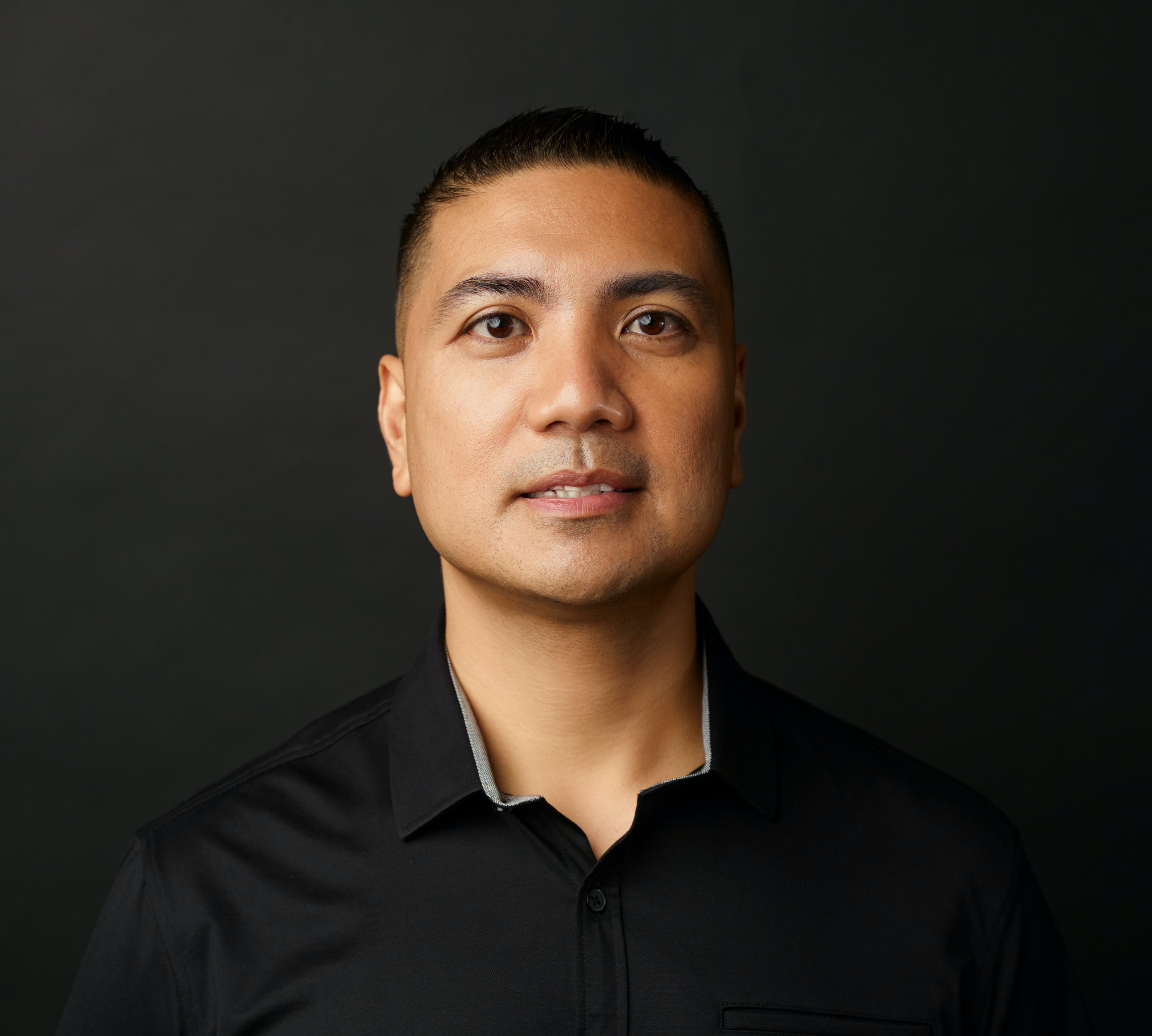
Al'ai Alvarez, MD
SAEM Nominating Committee Member
Stanford Emergency Medicine
My long-term interest is to study the intersection of Medical Education, Process Improvement (Quality and Clinical Operations), Representation (Diversity), and Well-being (Inclusion/Belonging) through human-centered design. My academic and professional experience has provided me with an excellent background in understanding the drivers for professional fulfillment in medicine and its interplay on efficiencies of care, the culture of wellness, and personal resilience, as highlighted by Stanford WellMD’s Professional Fulfillment Model. Specifically, my work investigates the role of self-compassion and resilience in promoting belongingness and overcoming isolation and loneliness in medicine exacerbated by experiences of medical harm, vicarious trauma, implicit bias, microaggressions, and imposter phenomenon.
I graduated from the faculty fellowship at the Stanford Byers Center for Biodesign, where I explored the role of mindfulness in resuscitations. Furthermore, I co-directed and organized the inaugural High-Performance Resuscitation Teams Summit in May 2022 in Chicago, IL, in collaboration with Mayo Clinic and the Mission Critical Teams Institute, to understand commonalities among high-performing teams in healthcare, aerospace, sports, military, special operations, and fire rescue.
As an attending EM physician, I served as the Assistant Medical Director on Quality Education and Clinical Operations at the Santa Clara Valley Medical Center Emergency Department (ED), the busiest ED in Northern California. This role offered me direct insight into drivers of burnout through inefficiencies in clinical practice and the need for a culture of wellness, especially in quality improvement and peer review. As an Associate Residency Program Director at the Stanford Emergency Medicine Residency Program (2015-2021), I led initiatives to enhance personal resilience while advocating for improving the clinical and learning environment to improve well-being and professional fulfillment.
Currently, I am the Director of Well-Being and co-chair of the Human Potential Team at Stanford Emergency Medicine. I also serve as the Stanford EM Physician Wellness Fellowship Director. As the chair of the Stanford WellMD Physician Wellness Forum, I lead monthly discussions to understand how better to optimize clinical practice environments to improve well-being and professional work-life balance.
As Chair of the SAEM Wellness Committee (2022- ), we are spearheading the “October is #StopTheStigmaEM month,” which has been the most extensive campaign for SAEM, mobilizing national organizations in EM and leveraging social media to increase awareness and support efforts to humanize physicians, prioritize mental health, and normalize receiving mental health support.
Given my disparate physician leadership and clinical experience, I offer a unique and valuable perspective in serving on the Nominations Committee. I aim to continue fostering collaboration, empowerment, and self-compassion in academic emergency medicine's learning and work environment. This includes finding ways to recognize the work of academic EM physicians and EM bound trainees.