Best Practices for Collecting and Reporting Race, Ethnicity, Sex and Gender Data (ADIEM, AWAEM and Research Committee Sponsored)
Race, ethnicity, sex, and gender are widely collected data elements for medical research, health equity research, and quality improvement initiatives both locally and nationally. However, there remains wide variation in how this information is collected, combined, reported, and used in research. This variation results in inaccurate data collection and inconsistencies between datasets. This has important implications for identifying, monitoring, and evaluating changes in population health and potential health inequities. In addition, there are new recommendations for data collection from the U.S. Office of Management and Budget Interagency Technical Working Group on Race and Ethnicity Standards is developing recommendations for collection race and ethnicity data which will impact administrative data collection of these variables. Through presentations and participant discussion with a panel of researchers who focus on health equity and population health, this didactic will highlight key considerations and implications about race, ethnicity, sex, and gender data collection, present best practices for demographic data collection, and help participants develop their own data collection strategies.
Presenters:
- Rama A. Salhi, MD, MHS, MSc
- Angela Jarman, MD, MPH
- Onyeka Otugo, MD, MPH, MPA
- Elizabeth Samuels, MD, MPH, MHS
-
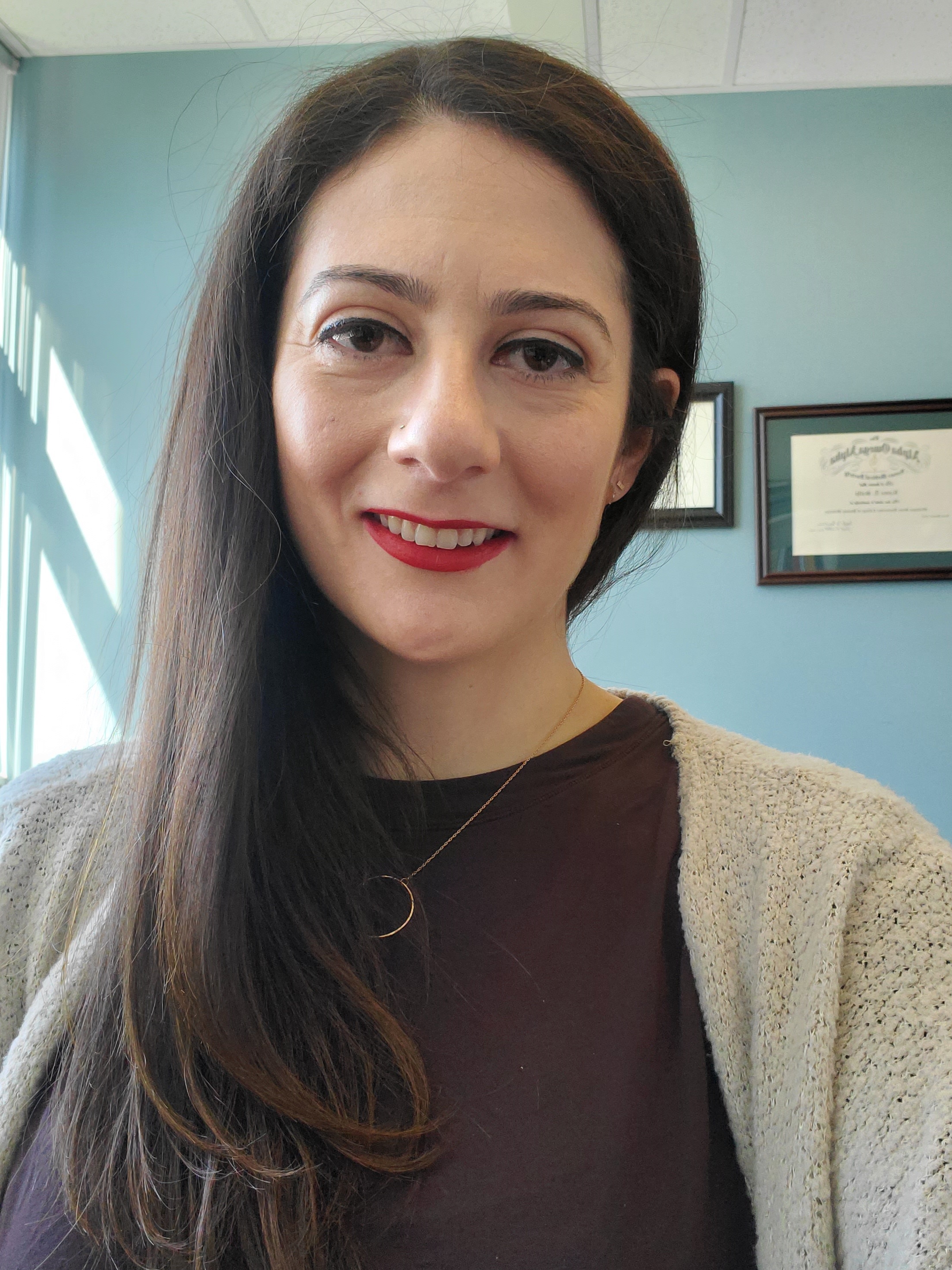
Rama A. Salhi, MD, MHS, MSc
Attending Physician
Massachusetts General Hospital/Harvard Medical School
Dr. Salhi is an Assistant Professor in the Department of Emergency Medicine Massachusetts General Hospital. She completed emergency medicine residency and subsequent fellowship in the National Clinician Scholars Program at the University of Michigan. Her research focus pertains to improving care delivery and outcomes for acute conditions, including cardiac arrest and traumatic injury. She has a specific interest in the intersection of structural racism/inequities, implications of data collection, and the delivery of acute, time-sensitive care.
-
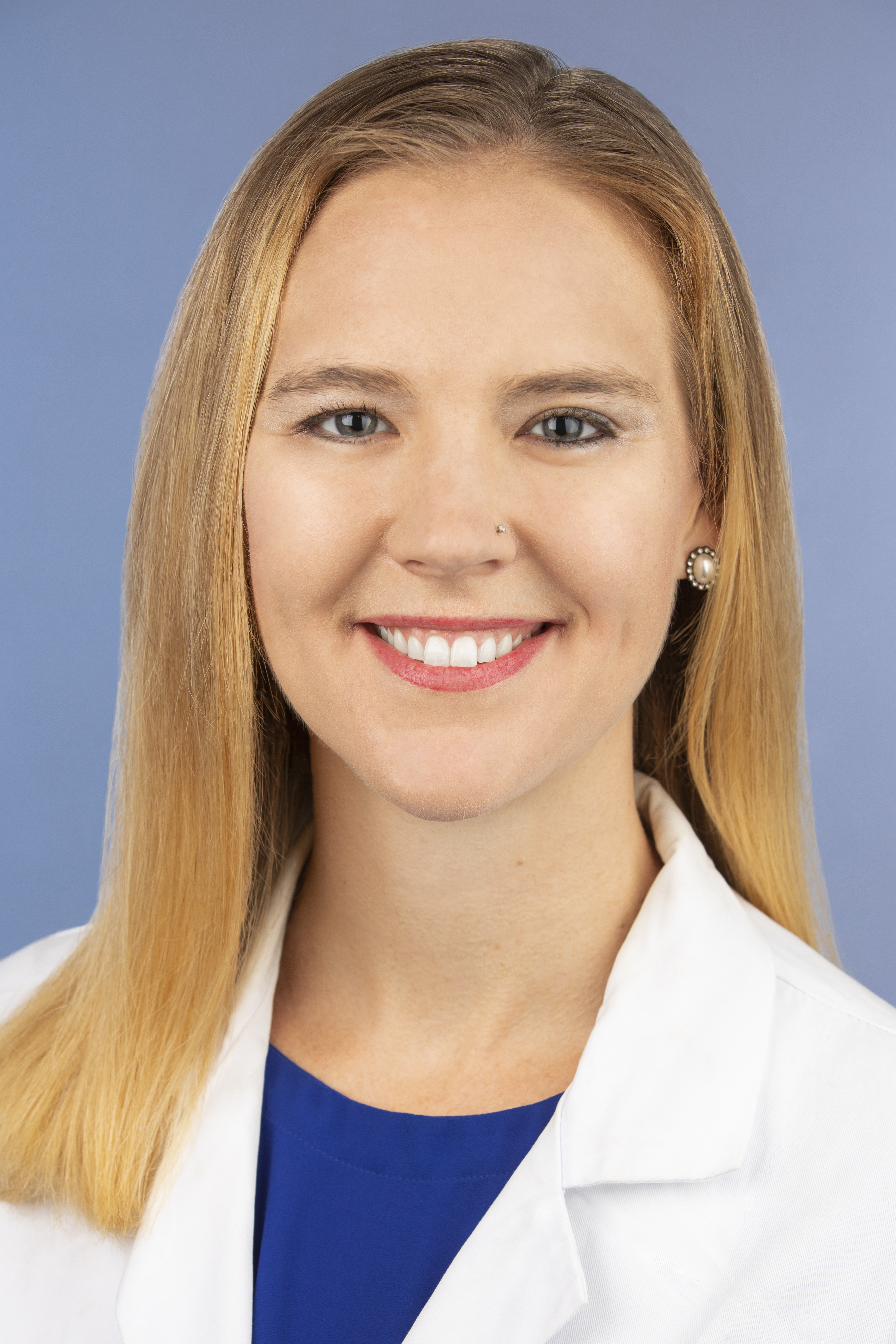
Angela Jarman, MD, MPH
Assistant Professor of Emergency Medicine; Director of Sex and Gender in Emergency Medicine, UC Davis
UC Davis
Angela Jarman is an Assistant Professor of Emergency Medicine. She joined the faculty at UC Davis after completed a two-year fellowship in Sex & Gender in Emergency Medicine at Brown University, where she also earned a Master of Public Health degree. Angela is a North Carolina native and majored in Gender Studies at Duke University before attending medical school at the University of Kentucky. She trained in Emergency Medicine at the University of Utah in Salt Lake City. Her professional interests include sex differences in acute care medicine, gender bias in medicine and leadership, and global emergency medicine. Personally, Angela enjoys long hikes in the mountains with her dog, her many nieces, and good books! -

Onyeka Otugo, MD, MPH, MPA
Attending Physician
Brigham and Women's Hospital
Dr. Onyeka Otugo completed a Health Policy Research and Translation fellowship in the Department of Emergency Medicine at Brigham and Women’s Hospital, where she currently serves as faculty. Additionally, she holds a Master of Public Administration from the Harvard Kennedy School of Government and a Master of Public Health from Northwestern University. Her journey into emergency medicine was driven by her interests in policy and medicine, recognizing it as an avenue to advocate for underrepresented populations within our healthcare system. Throughout her career, Dr. Otugo has dedicated herself to dismantling barriers in healthcare access.
In addition, Dr. Otugo is also about addressing obstacles in medical education through teaching and mentorship. She piloted "Lift and Elevate," aimed at providing mentorship to junior Black women physicians and equipping them with skill development trainings such as negotiations. Her commitment to equity and education is further evidenced by her contributions to publications such as the New England Journal of Medicine, Stat News, USA Today, New York Times, Lancet, and BMJ, where she sheds light on the systemic disparities present in both healthcare and medical education. -
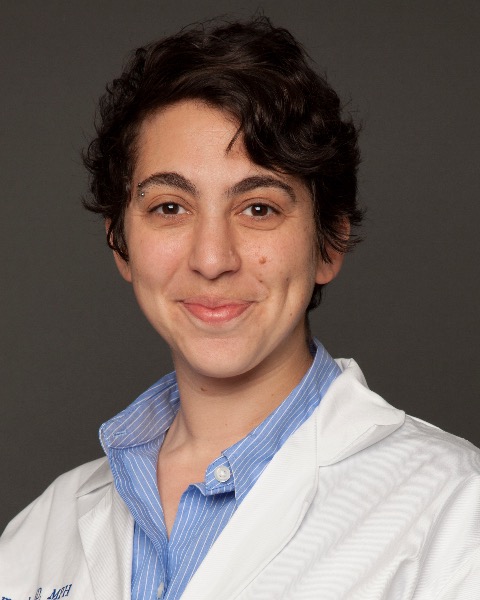
Elizabeth Samuels, MD, MPH, MHS
UCLA Emergency Medicine
Dr. Samuels is an emergency medicine physician, health services trained researcher, and Associate Professor of Emergency Medicine at UCLA. She completed her emergency medicine training at the Brown Emergency Medicine Residency Program, a health service research and health policy fellowship at the Yale National Clinician Scholars Program, and is board certified in Emergency Medicine and Addiction Medicine. Her work focuses on implementation and evaluation of emergency department-based health equity initiatives.