A System for Taking your Systematic Review from Pencil to Publication (Research Committee and REsearch Directors Interest Group Sponsored)
The number of systematic reviews published in the academic medical literature has increased exponentially in recent years. Writing a systematic review can is one way to capitalize on existing work to create a publication. With a little more effort and foresight, that literature review you need to do for another project might be publishable as a systematic review. Sounds simple, but it’s not always that easy. Many best practices and published guidelines (e.g., Preferred Reporting items for Systematic Reviews and Meta-analyses, PRISMA) exist for systematic reviews that are meant to differentiate them from other types of literature reviews. If these measures are implemented correctly, a systematic review can be considered to be at low risk of bias, placing them at the top of the “pyramid of evidence.” In order to create a systematic review deserving of this high level of regard, researchers must adhere to the key best practices covered in this presentation. But even a well-done review is not guaranteed to be published. Writing a systematic review with a high likelihood of publication is an art form distinct from the methods used when writing other scientific studies. In this session, we will provide tips to help participants tailor their writing to suit the target audience, use appropriate tone and word selection to engage the reader (including editors!), and select the right journal for their submission.
Presenters:
- Joshua J. Davis, MD
- James H. Paxton, MD MBA
- Nicholas E. Harrison, MD, MSc
-
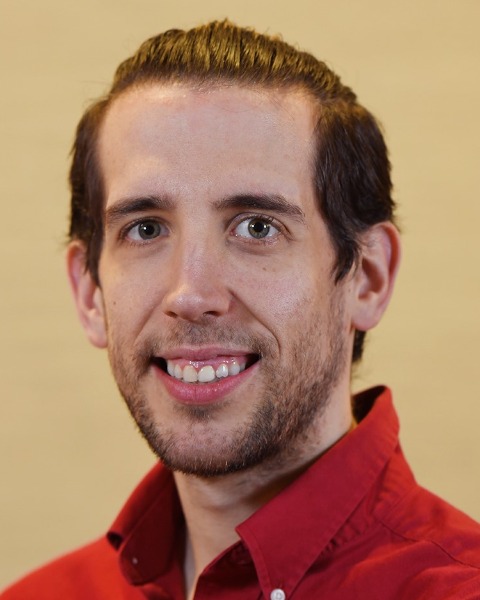
Joshua J. Davis, MD
Assistant Professor, Clinical Medicine
Kansas College of Osteopathic Medicine
Joshua Davis, MD, is an emergency physician in Wichita, KS, who teaches as a faculty member instructor at the Simulation Center University of Kansas School of Medicine - Wichita and a Course Director and Assistant Professor of Clinical Medicine at Kansas College of Osteopathic Medicine. He is the Assistant Medical Director for Ultrasound, Quality, and Research with Vituity in Wichita, KS. His research interests are broad and include emergency medicine clinical topics along with patient safety, interprofessional communication, handoff communication, procedural competency, and medical education. He has published over 75 peer reviewed articles, given multiple national presentations, and written several book chapters. He is involved in developing several national guidelines and curricula.
-

James H. Paxton, MD, MBA
Associate Professor and Director of Clinical Research
Detroit Receiving Hospital / Wayne State University Department of Emergency Medicine
James H. Paxton, MD, MBA, is an associate professor and the Director of Clinical Research for Detroit Receiving Hospital / Wayne State University (WSU) Department of Emergency Medicine, and previously served as Chairman of the WSU MP2 Institutional Review Board (2015-2020). He is a senior member of multiple national emergency medicine research committees, and recently served as Chairman of the SAEM research committee (2021-2024). Dr. Paxton received both his MD and MBA from the University of Cincinnati and completed EM residency training at Henry Ford Hospital. He has been core academic faculty for the EM residencies at both Sinai-Grace Hospital and Detroit Receiving Hospital since 2011, and has mentored hundreds of medical students and residents at WSU during that time. He is an active clinical researcher and has served as PI for dozens of industry- and publicly-funded trials.
-
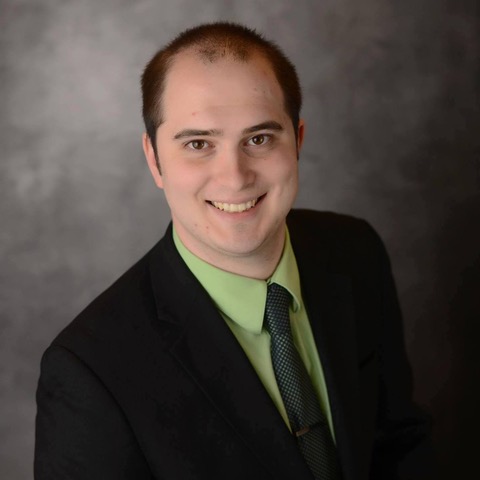
Nicholas E. Harrison, MD, MSc
Clinical Physician
IUH Methodist Hospital
Dr. Harrison was born in Dearborn, MI, and raised in the suburbs of Detroit. He graduated from Michigan State University for both his undergraduate and medical school degrees, in 2008 and 2012, respectively. While at the MSU College of Human Medicine he spent two years at the Flint MI MSU Clinical Campus and two months living abroad in Peru, completing the school's MD Leadership in Medicine for the Underserved certificate program. He completed his residency training in Emergency Medicine at the Oakland University William Beaumont School of Medicine / William Beaumont Hospital Emergency Medicine Program, where he served as Chief Resident in his final year. Upon completing his residency in 2019, Dr. Harrison entered a two-year Fellowship in Clinical Research, studying heart failure and cardiovascular imaging under the mentorship of Dr. Phillip Levy at Wayne State University. He concurrently entered the Clinical Research Design and Statistical Analysis MSc program for clinician-scientists at the University of Michigan's Department of Biostatistics. He graduated both his research fellowship and his MSc in 2021, at which time he took his first full-time faculty position as a tenure-track Assistant Professor of Emergency Medicine at IUSM in Indianapolis.
Dr. Harrison works clinically at IUH Methodist Hospital, while continuing the translational and health services research he began during his fellowship, in acute heart failure and non-invasive cardiovascular imaging. Starting in 2022, and ending in 2024, he received a KL2 Career Development Award funded by the National Institutes of Health National Center for Advancing Translational Sciences (NIH NCATS) through the Indiana Clinical and Translational Sciences Institute.