“A Bad Case of the Zoomies”: Deciding on Virtual vs. In-Person Didactics after COVID-19 (Education Committee Sponsored)
During the COVID-19 pandemic, EM residency didactics nearly unanimously shifted to virtual formats. At the end of the public health emergency, it is unclear to what degree programs have returned to in-person teaching, and what the motivations are for transitioning back to in-person vs remaining in remote/virtual. Relevant literature reveals multiple descriptions of the transition to virtual didactics, with a handful of publications offering best practices for virtual learning, but no definitive guidance has been offered on the return to an in-person or hybrid model in the post-pandemic period. We reviewed publications on virtual EM residency didactics from 2020-2023, then surveyed program directors to investigate the state of conference didactics, the perceived strengths and weaknesses of various virtual vs. in-person modalities, and the motivations that compel programs to remain wholly or partially virtual after the lifting of COVID-19 era restrictions. Through an interactive lecture, we describe the current state of conference formats across US EM residencies and programs’ own thoughts on why they elected to adopt their current approach. We then facilitate a discussion of strategies and solutions to optimize conference time based on data from our national survey via a small-group discussion/workshop format.
Presenters:
- Jenna M. Thomas, MB, BCh, BAO, MHPE
- Emily Jameyfield, MD
- Will Kropf, MD, MHPE
- Jason J. Lewis, MD
- Christopher Reisig, MD
-
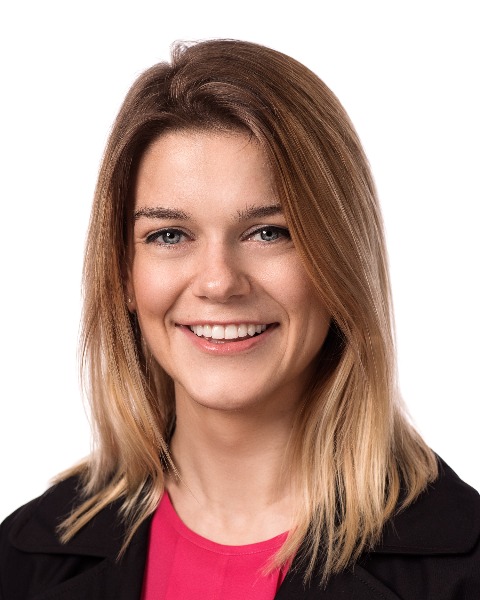
Jenna M. Thomas, MB, BCh, BAO, MHPE
Washington University in St. Louis School of Medicine
Dr. Jenna Thomas is an Assistant Program Director for the residency program at Washington University in St. Louis. Her broad experiences from medical school in Ireland through Medical Education fellowship in the Midwest piqued a passion for supporting people of diverse personal and professional backgrounds in their own competency based education. She is always looking for ways to collaborate on scholarly projects and share experiences with peers across a variety of institutions and training settings, and is an active member of SAEM's Education Committee.
-
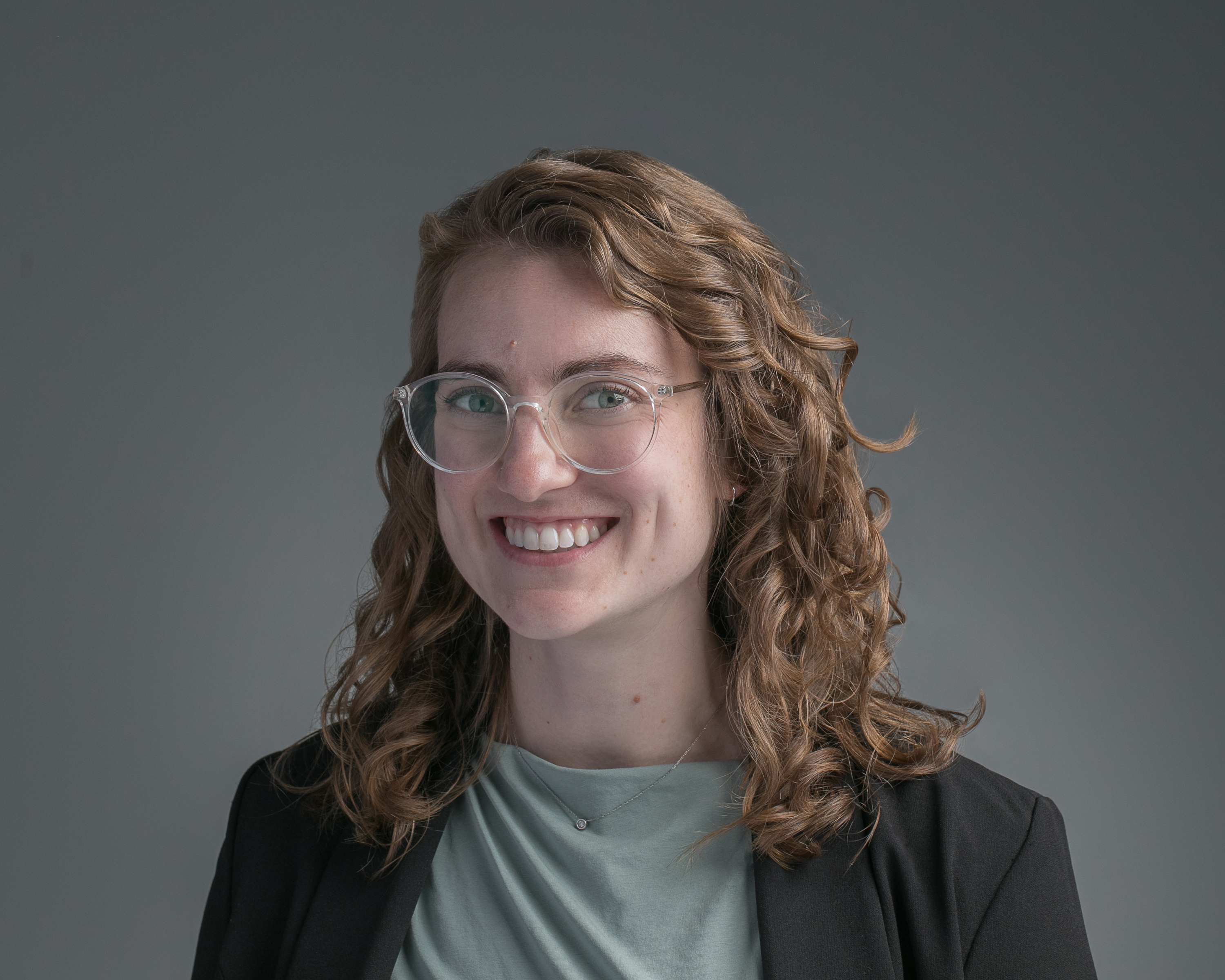
Emily Jameyfield, MD, MHPE
Assistant Professor, Emergency Medicine
Yale School of Medicine
Emily Jameyfield, MD, MHPE, is an assistant professor of emergency medicine (EM) at the Yale School of Medicine. She is heavily involved in student and resident education and mentorship. She is also the Learning Specialist for the Physician Associate Program. Her research centers around teaching the skill of verbal de-escalation within health professions education.
-

Will Kropf, MD MHPE
University of Michigan
I'm a clinical assistant professor at University of Michigan, where I completed residency and fellowship. I just finished a combined fellowship in clinical ultrasound and medical education. I currently serve as assistant program director for our residency program. My research interests are in trainee assessment, curriculum development and evaluation, and various elements of POCUS, including instruction, skill assessment, and diagnostic, therapeutic, and resuscitative techniques.
-
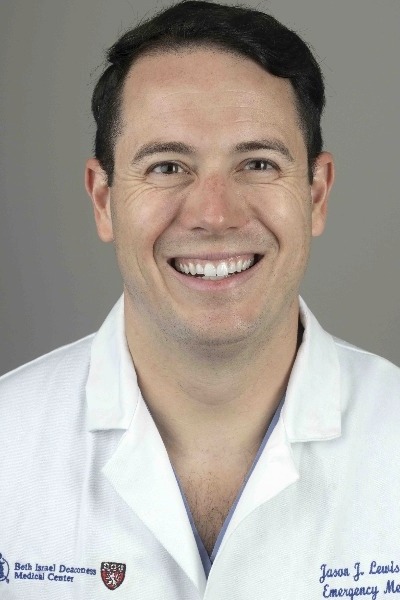
Jason J. Lewis, MD
Assistant Professor, Emergency Medicine
Beth Israel Deaconess Medical Center
Dr. Jason Lewis is an Assistant Professor of Emergency Medicine at Harvard Medical School and attending physician at Beth Israel Deaconess Medical Center. Dr. Lewis completed his residency at Beth Israel Deaconess Medical Center Harvard Affiliated Emergency Medicine Residency in 2014 followed by a fellowship in Medical Education at Beth Israel Deaconess Medical Center in 2015. He currently serves as the director of the Emergency Bootcamp and associate clerkship director. He is passionate about medical education, with a particular focus on undergraduate medical education.
-
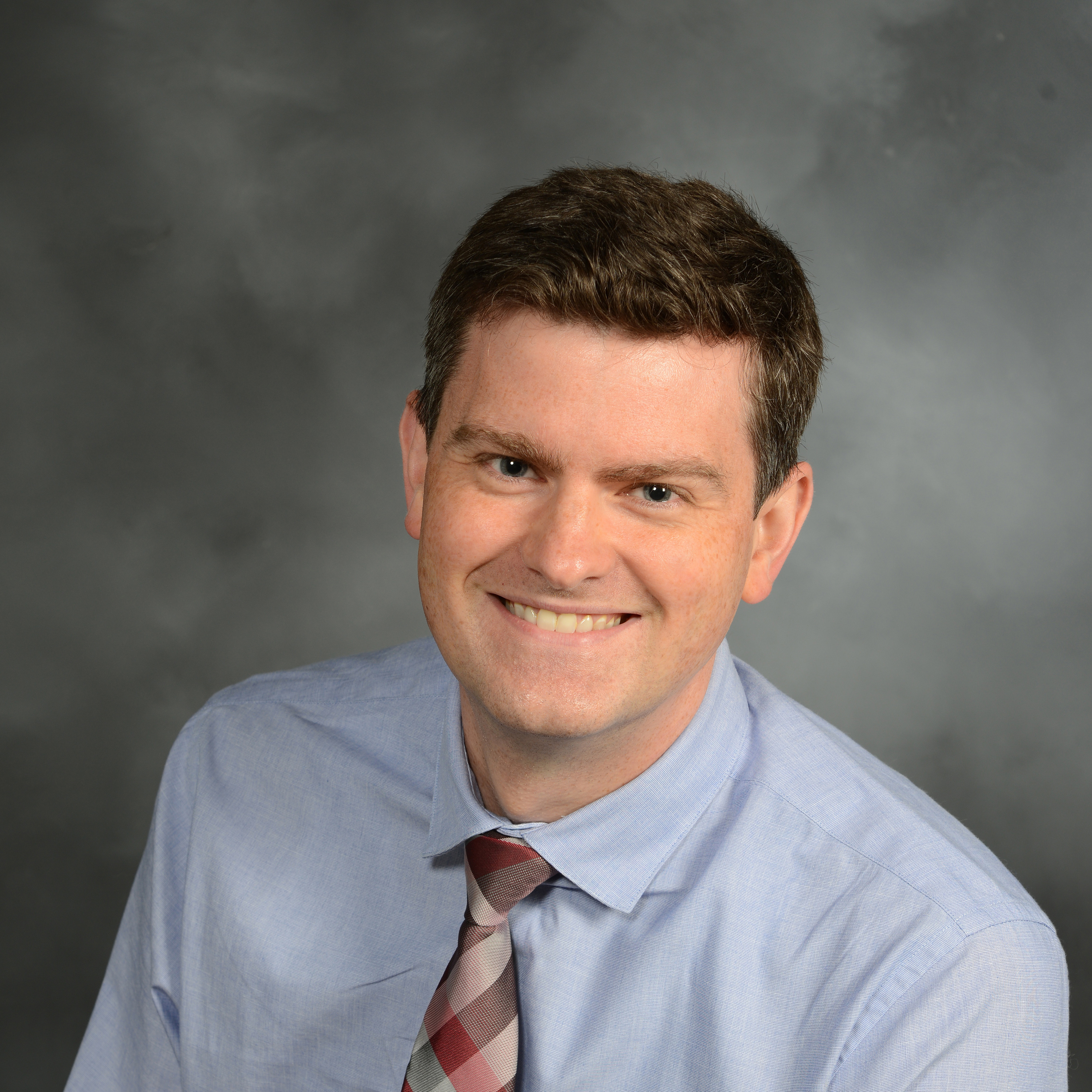
Christopher Reisig, MD, MA
Weill Cornell Medicine, Department of Emergency Medicine
I am presently a simulation and medical education fellow at Weill Cornell Medical Center, where I also practice as an EM attending physician. I am a graduate of Harvard (BA in Philosophy), NYU (MA in Literature), and I spent close to a decade prior to medicine working as a tenured high school English teacher. I received my medical degree from Weill Cornell Medical College in 2017, and I completed my residency training at NewYork-Presbyterian Columbia/Cornell, where I served as the educational chief resident. Since then, I have completed the ACEP Residency Teaching Fellowship, am presently enrolled in the 2022-2023 SAEM ARMED MedED Program, and was the SAEM Simulation Academy’s Scholarship recipient for the same. I have been a member of SAEM since 2014.
I am applying for the fellowship position on the Simulation Academy Executive Committee. As my prior career experience would suggest, I am an educator first and foremost, and I was drawn to Simulation because of its power as a pedagogical modality. Through my fellowship, however, I have further realized the critical importance of Simulation to all facets of healthcare. In joining the Committee, my hope is that I can advocate for (in particular) simulation trainees new to the field, at the same time as I learn from experienced Simulation leaders how to advance the discipline in the years ahead.