
GEMA Grand Rounds: Building Sustainable Emergency Care Systems Through Global Partnerships, Education, and Research
In this GEMA Grand Rounds virtual event, we will be discussing how to build sustainable emergency care systems through partnerships, education, and research, with a strong emphasis on the idea that emergency care begins in the community and requires a connected continuum from first recognition and first aid through prehospital care, emergency department management, and definitive treatment. The session will highlight the importance of partnerships that build local ownership, leadership, trainers, protocols, and research capacity, rather than short-term external projects. Education should strengthen the entire chain of survival, including healthcare workers, ambulance personnel, first responders, students, and community members, using continuous, practical, and locally-appropriate training. Research and data - including trauma registries, simulation evaluation, and emergency care outcomes - should identify gaps and drive quality improvement. Ultimately, sustainability means moving from projects to systems by institutionalizing training, preparedness exercises, data systems, and local leadership.
Objectives
By the end of this session, participants will be able to:
- Identify at least three key components of sustainable emergency care systems in resource-limited settings, including integrated pre-hospital care, emergency department capacity building, and disaster preparedness.
- Describe practical strategies to strengthen emergency care through education, simulation exercises, community engagement, and pre-hospital emergency care systems development.
- Identify one actionable step to strengthen emergency care systems that can be implemented in their home institute or partnerships within the next 6-12 months.
-
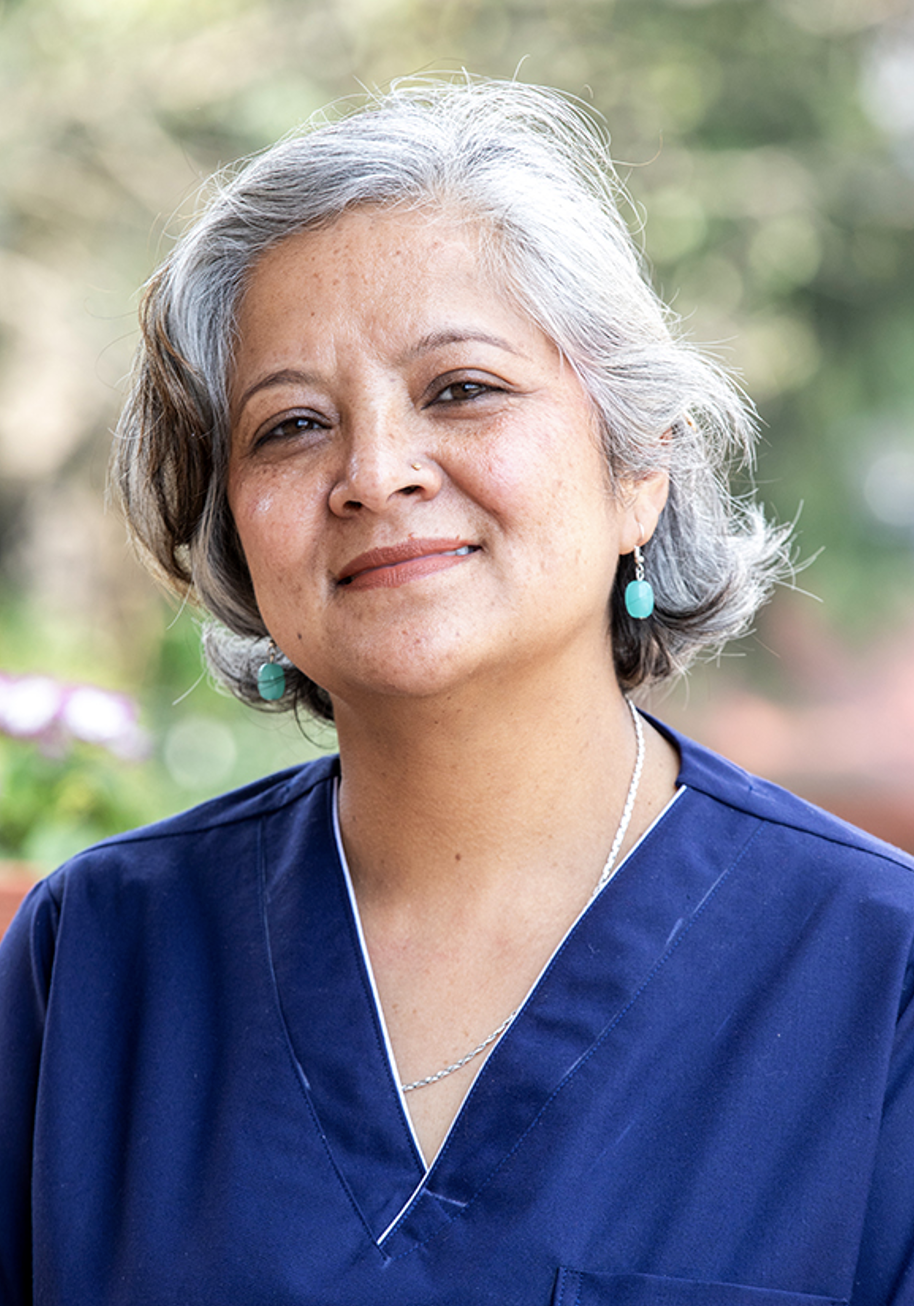
Samjhana Basnet
Associate Professor
Kathmandu University School of Medical Sciences
Dr. Samjhana Basnet is an associate professor in the department of general practice and emergency medicine at Kathmandu University School of Medical Sciences (KUSMS), Dhulikhel Hospital, Nepal. An active clinician, educator, and researcher, Dr. Basnet is strongly committed to improving integrated pre-hospital and emergency care in Nepal. She has developed emergency care curricula; organized international and national conferences, workshops, and seminars; and collaborated with global partners on trauma care, EMS systems, disaster preparedness, community emergency care, simulation-based education, and point-of-care ultrasound. Dr. Basnet has authored numerous publications on emergency medicine, disaster response, and gender equity, and received the INDUSEM Jan Suraksha Paritoshik Award for her national contributions to injury prevention. Dr. Basnet's work focuses on developing sustainable emergency care systems in resource-limited settings, strengthening prehospital and first-responder capacity, developing trauma registries and research programs, and bringing essential emergency care skills to healthcare providers and communities. She is passionate about saving lives through timely emergency care, empowering healthcare professionals and communities with life-saving skills, and advancing equitable access to emergency and trauma care through education, research, and global partnerships.
-
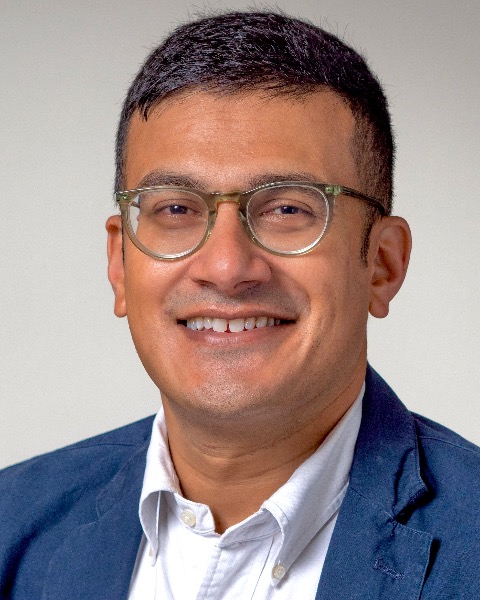
Vinay N. Kampalath, MD, DTM&H
Assistant Professor, Pediatrics
University of Pennsylvania
Vinay N. Kampalath, MD, DTM&H, is a global health and humanitarian policy specialist focused on emergency care and child health in crisis-affected settings. With over 15 years of experience across research, humanitarian action, public health, and clinical care in more than a dozen countries, Dr. Kampalath's research seeks to develop evidence-based health care delivery for populations in resource-denied settings, promote the development of emergency care systems globally through policy and praxis, and generate the evidentiary and normative basis to protect children living in these contexts. He has collaborated with the World Health Organization on the development of the H3 Package, a normative package of high-priority health services for humanitarian settings, and co-authored the CHH-Lancet Commission on Health, Conflict, and Forced Displacement. His work has appeared in the Lancet, BMJ Global Health, and PLOS Global Public Health. He is on the Editorial Boards of Conflict & Health, PLOS Global Public Health, and the Global Emergency Medicine Literature Review. Dr. Kampalath is the President of the Society for Academic Emergency Medicine (SAEM) Global Emergency Medicine Academy (GEMA) and holds academic appointments at the University of Geneva and the University of Pennsylvania. He practices pediatric emergency medicine at the Children's Hospital of Philadelphia, where he did his residency and fellowship. He earned his medical degree from Brown University and trained in tropical medicine and public health at the London School of Hygiene and Tropical Medicine.