Xylazine-Xposures in the Emergency Department: Hype or Hope? (Toxicology Interest Group Sponsored)
Used as a veterinary sedative and not approved for human use, xylazine has been increasingly linked with opioid overdose deaths in the United States. A growing number of people have been exposed to xylazine in the unregulated opioid supply (especially fentanyl) or in other drugs, particularly in the Northeast. Recent meetings with NIH researchers and clinicians set four domains that merit further evaluation: fentanyl-xylazine overdose, xylazine-associated dermal manifestations, xylazine dependence and withdrawal, and xylazine detection.
In this 50-minute didactic, we will present research updates and priorities within the four domains of xylazine-associated clinical investigation for emergency medicine clinicians. After describing the epidemiology of xylazine exposure, experts will review current evidence regarding, best practices for the management of patients with fentanyl-xylazine overdose, xylazine-associated wounds, and xylazine withdrawal as well as emergency department-based xylazine testing. Experts will answer questions submitted by attendees prior to and during the meeting related to emergency care for patients exposed to xylazine-adulterated opioids. Panelists are national experts in clinical toxicology and addiction medicine, have published critical research findings on xylazine, and are active xylazine researchers. Additionally, the panel has diverse geographic representation from northeast states with high rates of xylazine detection.
Presenters:
- Jennifer Love, MD
- Lewis S. Nelson, MD
- Jeanmarie Perrone, MD
- Tony Spadaro, MD
- Rachel McFadden, MPH BSN RN CEN
-
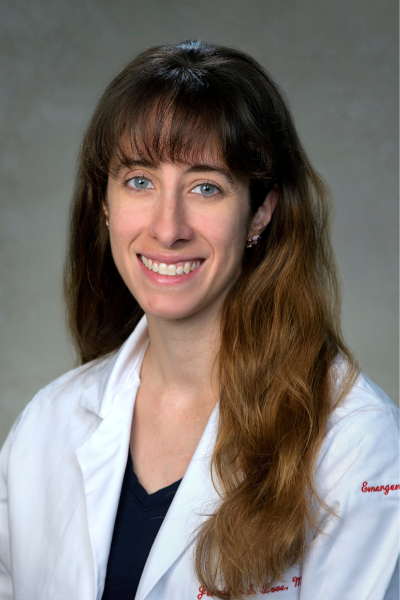
Jennifer Love, MD, MSCR
Assistant Professor, Emergency Medicine
Icahn School of Medicine at Mount Sinai
Dr. Love is an assistant professor of emergency medicine at the Icahn School of Medicine at Mount Sinai. After residency at the University of Pennsylvania, she completed a medical toxicology fellowship at Oregon Health & Science University. She then completed a clinical research fellowship at the Icahn School of Medicine under Dr. Lynne Richardson's T32 training program in emergency care research. Her current work focuses on opioid use disorder and novel substances of misuse, specifically xylazine. She also serves as the SAEM AWAEM research committee co-chair and the VP of Education.
-
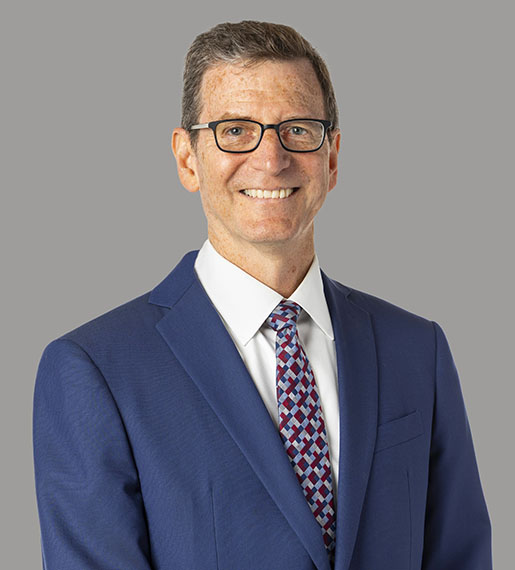
Lewis S. Nelson, MD, MBA
Dean and Chief of Health Affairs
Florida Atlantic University Schmidt College of Medicine
Lewis S. Nelson, MD, MBA, joins Florida Atlantic University as Dean and Chief of Health Affairs at the Charles E. Schmidt College of Medicine. A nationally recognized leader in academic emergency medicine (EM), medical toxicology, and addiction medicine, Dr. Nelson brings over three decades of experience in medical education, clinical care, and academic leadership to FAU.
Prior to joining FAU in 2025, Dr. Nelson served as Professor and founding Chair of EM at Rutgers New Jersey Medical School, where he also held the position of Chief of Service for the Emergency Department at University Hospital of Newark. His leadership drove remarkable growth: expanding the residency program, doubling the faculty size, establishing five fellowship programs, and increasing clinical revenue by 40% while maintaining a strong focus on educational excellence and research productivity. He also served as Chief of the Division of Medical Toxicology and Addiction Medicine, developing innovative approaches to addressing substance use disorders and other public health challenges.
Throughout his career, Dr. Nelson has shaped medical education, health policy, and clinical practice through key national leadership roles. He has served as President of the Association of Academic Chairs in Emergency Medicine (AACEM), held positions on the Board of Directors for both the American Board of Emergency Medicine (ABEM) and the Accreditation Council for Continuing Medical Education, and led the American College of Medical Toxicology as President. His work with the Accreditation Council for Graduate Medical Education (ACGME) and various professional organizations and governmental agencies has shaped medical education, health policy, and clinical practice nationally.
-
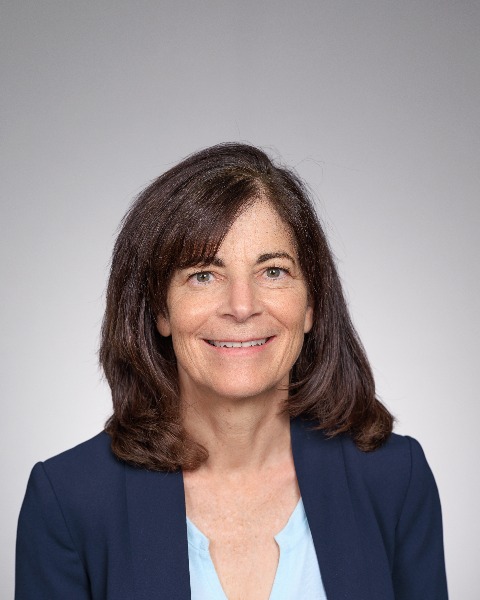
Jeanmarie Perrone, MD
University of Pennsylvania
Jeanmarie Perrone, MD is a Professor in the Department of Emergency Medicine and the founding Director of the Penn Center for Addiction Medicine and Policy at the University of Pennsylvania. Dr. Perrone leads a program for the treatment of Opioid Use Disorder in the emergency department (ED) and a virtual telehealth bridge clinic (CareConnect) for low barrier access to medications for opioid use disorder. She has advocated at the state and national level for enhancing equitable care for substance use. She has attended numerous FDA meetings while serving on the Drug Safety and Risk Management Advisory Committee and is a lead Co-Investigator on a NIDA CTN multi-site study of ED initiated buprenorphine. She has won numerous awards for education and mentorship and is board certified in emergency medicine, medical toxicology and addiction medicine. -

Tony Spadaro, MD
Rutgers New Jersey Medical School
Anthony (Tony) Spadaro, is a fellow in Medical Toxicology and Addiction Medicine at Rutgers New Jersey Medical School and New Jersey Poison Information. He completed residency in Emergency Medicine at the Hospital of the University of Pennsylvania.
-
Rachel McFadden, MPH BSN RN CEN
Prevention Point / Penn Medicine
Rachel McFadden, BSN RN CEN is a nurse in the Hospital of the University of Pennsylvania Emergency Department and at Prevention Point Philadelphia, and a Bloomberg Fellow in Addiction & Overdose at the Johns Hopkins School of Public Health. The foundation of her clinical philosophy and practice is harm reduction – a social justice movement as well as a practical approach to reducing the negative consequences of substance use. Her work centers on reducing stigma, strengthening the hospital's capacity to respond to the substance use crisis through the integration of harm reduction, and bridging Penn’s medical services to community-based and public health efforts.