Upstander Interventions Across the Educational Continuum (ADIEM-Sponsored)
Mistreatment based on race, ethnicity, sex, sexual orientation, age, and other personal characteristics is prevalent in emergency departments (ED) and negatively affects the learning environment for residents and students. Addressing this requires
effective faculty and resident development to reduce the impact of mistreatment from patients, staff, and peers. This session will focus on recognizing subtle forms of mistreatment, like microaggressions, and developing confidence in addressing these
issues without alienating patients or coworkers.
We will explore the implementation of Upstander Intervention curricula in residency and faculty development programs, with emphasis on adapting curricula to meet evolving learner needs. Participants
will discuss ways to create responsive educational programs, ensuring the long-term sustainability of Upstander Interventions that remain engaging and dynamic, avoiding formulaic approaches. The session aims to equip attendees with strategies to foster
a supportive, respectful clinical environment for both learners and patients.
Learning Objectives:
- Highlight the importance of faculty and resident development on recognition of mistreatment and implementation of upstander interventions
- Consider various pedagogical modalities available to teach residents and faculty about how to implement upstander interventions
- Identify ways to create adaptive sustainable curricula that respond to the needs of the institution and learners
Presenter:
- Jessica Bod, MD
- Marc Berenson, MD
- Geoffrey P. Hays, MD
-
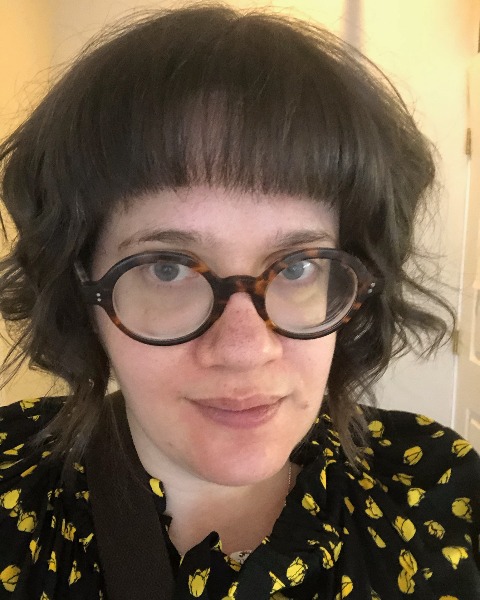
Jessica Bod, MD
Yale University School of Medicine
Jessica Bod is an assistant professor at Yale School of Medicine department of emergency medicine. She grew up in a family of teachers; her grandfather taught chemistry, her mother is a high school biology teacher and her sister teaches second grade. During her medical training, Jessica naturally gravitated toward a career in medical education. As a resident in emergency medicine, Jessica was the inaugural “resident liaison to medical students” for the Yale emergency department, and helped to shape the curriculum for this required rotation. When she graduated, she became the assistant clerkship director and shortly thereafter became the director of medical student education. In this role, she oversees all programming related to medical students in the department of EM including the required clinical clerkship, the two types of sub-internship and the virtual elective. She is also responsible for mentoring medical students interested in pursuing careers in EM and for leading other faculty involved in medical student education, such as the associate clerkship director.
Jessica’s interests include the creation of programs promoting residents as leaders in medical education, curriculum development and inclusive excellence in medical curricula. She has spoken about her curricular innovations locally at Medical Education Day and nationally at CORD and SAEM. Currently, Jessica is focusing on inclusive excellence content in EM curricula. She received a grant from SAEM to develop a bystander intervention training for EM residents, and is in the process of assessing the curriculum for its impact on resident behavior. This work is significant in its potential to impact the education of medical trainees for generations to come. -
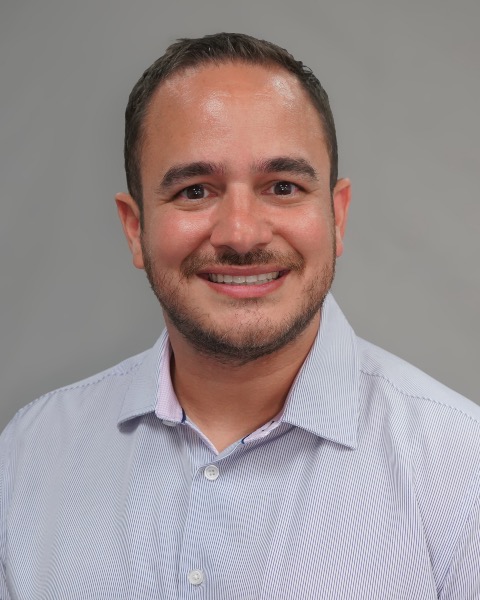
Marc Berenson, MD
Stanford Medicine
Dr. Berenson is a Clinical Instructor, interim APD, and Senior Med Ed Fellow at Stanford University Department of Emergency Medicine. Hwas born in the heart of New York City and grew up in the NYC metropolitan area with the notable exception of a three-year stint living in the UK. He has also lived in Washington DC and Roanoke VA. Prior to medical school, Dr. Berenson worked as a Mobile Intensive Care Paramedic for well over a decade, spending a significant portion of his time creating and providing EMS-related education. After completing his Bachelor of Arts in Sociology, he went on to attend Rutgers New Jersey Medical School, graduating with a Distinction in Medical Education. He remained at Rutgers NJMS for residency training, serving as Chief Resident in his final year. His interests include AI in education, assessment, and program evaluation. -
Geoffrey P. Hays, MD
Indiana University
Dr. Geoffrey Hays is an assistant professor of clinical Emergency Medicine and Pediatrics and has been a faculty member at IU since 2018. He graduated from Creighton University School of Medicine in 2013 and completed his combined residency training in Emergency Medicine and Pediatrics at Indiana University in 2018. He works clinically at Methodist Hospital and Riley Children's Hospital. He is the Interim Vice Chair for Strategic Engagment for the Department of Emergency Medicine. He serves as program director for the combined Emergency Medicine / Pediatrics program as well as assistant program director for the categorical Emergency Medicine residency. His clinical interests include residency and curriculum development, medical education, and evidence-based medicine.