Trailblazing Solutions: Community Consultation Strategies for Exception From Informed Consent Research
Research on life-threatening emergencies is essential to improve patient outcomes, but obtaining consent in these high-stakes situations—particularly involving children—remains challenging. Federal regulations for Exception from Informed Consent (EFIC) provide the framework for conducting such research, with community consultation and public disclosure playing key roles in gathering public feedback before participant enrollment. Traditional methods, such as public meetings and media advertisements, often result in limited participation. In this session, investigators leading two pediatric prehospital studies—Pediatric Dose Optimization for Seizures in Emergency Medical Services (PediDOSE) and Pediatric Prehospital Airway Resuscitation Trial (Pedi-PART)—will present innovative methods for community consultation and public disclosure. These include study websites, online videos, community surveys, semi-structured interviews via video conferencing, and targeted social media advertisements. The session will compare these strategies to prior EFIC efforts and share insights on their effectiveness. Participants will learn how to create and evaluate community consultation plans, with a focus on the advantages and drawbacks of various components.
Learning Objectives:
- Articulate effective community consultation strategies for exception from informed consent (EFIC) studies of life-threatening emergencies, including those that involve children
- Devise an approach to a community consultation and public disclosure plan for a study utilizing EFIC
- Differentiate advantages and disadvantages of several strategies in a community consultation and public disclosure plan for a study utilizing EFIC
Presenters:
- Manish I. Shah, MD, MS
- Henry E. Wang, MD, MS
- Shannon W. Stephens, EMTP, CCEMTP
-
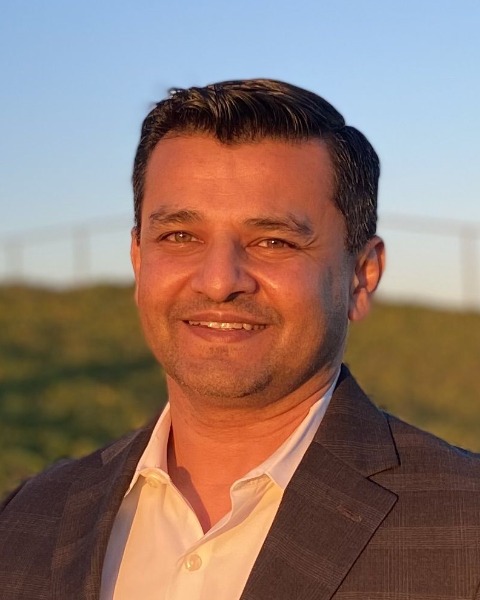
Manish I. Shah, MD, MS
Stanford University
Manish I. Shah, MD, MS is a Professor of Emergency Medicine and Pediatrics at Stanford University School of Medicine. Dr. Shah is an EMS researcher, advocate, and educator and served on the National Emergency Medical Services Advisory Committee (NEMSAC) and was a past chair of the Emergency Medical Services (EMS) subcommittee for the American Academy of Pediatrics Section of Emergency Medicine. His research has focused on developing, implementing, and studying outcomes related to evidence-based protocols for various clinical conditions, including seizures and airway management. Dr. Shah is currently the Principal Investigator for the Pediatric Dose Optimization for Seizures in Emergency Medical Services (PediDOSE) study and Co-Investigator for the Pediatric Prehospital Airway Resuscitation Trial (Pedi-PART), which are both Exception from Informed Consent (EFIC) studies funded by the National Institutes of Health and are being conducted in the Pediatric Emergency Care Applied Research Network (PECARN). Dr. Shah also serves on the Executive Committee of PECARN as the Nodal Principal Investigator for the Charlotte, Houston, and Milwaukee Prehospital (CHaMP) research node. -

Henry E. Wang, MD, MS
The Ohio State University
Dr. Wang is Professor and Vice Chair for Research in the Department of Emergency Medicine at the Ohio State University. He is one of the world's most prolific emergency medicine scientists and is internationally recognized for his scientific work in out-of hospital airway management, resuscitation, and sepsis epidemiology. He is the Principal Investigator for the Pediatric Prehospital Airway Resuscitation Trial (Pedi-PART), and he is a co-investigator on the Pediatric Dose Optimization for Seizures in EMS (PediDOSE) study. -

Shannon W. Stephens, EMTP, CCEMTP
University of Alabama at Birmingham
I am a paramedic and researcher, specializing in the design and execution of clinical trials in emergency care. With over 25 years of experience, I have established myself as a content expert in bioethics and the regulatory pathways of “Exception From Informed Consent” studies. I have developed a novel and innovative way of conducting “community consultation and public disclosure”, one of the key regulatory steps mandated by the Department of Health and Human Services and the Food and Drug Administration. This new method leverages the power of social media and other interactive media platforms and can be executed centrally, thus limiting the work of the local investigators. This approach has gained widespread acceptance by Institutional Review Boards, Ethics Committees, and participating clinical sites and is the model used for over 170 enrollment sites, from 6 different multicenter clinical trial networks in the United States.