The Evolving Landscape of Stroke Care: Prehospital and Hospital Impacts of Stroke Systems of Care (Neurologic EM Interest Group- and Emergency Medical Services Interest Group-Sponsored)
Stroke affects nearly 800,000 Americans annually, ranking as the fifth leading cause of death and a major cause of adult disability, costing billions in long-term care. Timely treatment is critical, yet hospital capabilities vary widely. Stroke systems of care aim to ensure patients are transported to facilities best equipped to provide treatment. However, the design and implementation of these systems significantly impact hospitals, emergency departments, and training programs. A panel of national experts will discuss the current state of stroke systems of care, challenges in their creation, and best practices. Key topics include telemedicine in prehospital care, mobile stroke units, and the role of air transportation. Participants will gain insights into fostering collaboration between emergency medical services and hospitals to enhance patient outcomes.
Learning Objectives:
- Develop an understanding of the complexities of prehospital stroke management
- Understand the current trends in terms of developing stroke systems of care across the US
- Understand the effect these stroke systems of care will have on emergency departments and hospitals
- Become better informed at their local level to help guide these complex and critical conversations through their hospitals and medical control authorities for EMS
- Explore strategies for integrating stroke systems of care into local and regional healthcare frameworks.
Presenters:
- Cemal B. Sozener, MD, MEng
- Christopher T. Richards, MD, MS
- Christopher Lewandowski, MD
- Charles R. Wira, MD
- Peter D. Panagos, MD
- Katherine D. Mayes, MD, PhD
- Erin Kane, MD, MHPE
- Kyle A. Hultz, PharmD
- Maulik Lathiya, MBBS
-

Cemal B. Sozener, MD, M. Eng., FACEP, FAHA
University of Michigan
As a physician experienced in both prehospital and hospital education on acute stroke care, Dr. Sozener has worked with the INSTINCT research team at the University of Michigan and led past efforts in both qualitative and quantitative interventions and analysis for that study in addition to working with the numerous physicians, nurses, and other staff personnel throughout the entire INSTINCT network. Dr. Sozener is active in the NINDS StrokeNet Training Program and is co-director of the University of Michigan Comprehensive Stroke Program.
-
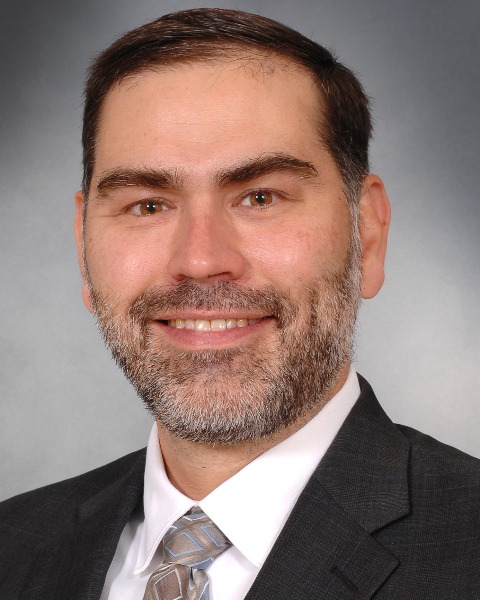
Christopher T. Richards, MD, MS
University of Cincinnati
Dr. Richards is an Associate Professor of Emergency Medicine at the University of Cincinnati and has an expertise in prehospital stroke care. He is a board-certified EMS physician and is the medical director of the UCHealth Mobile Stroke Unit as well as for several Fire-EMS agencies in Greater Cincinnati. He is also Co-Director and clinical faculty of the UC Stroke Team which provides acute stroke reperfusion consultation to over 30 emergency departments and hospitals in the Greater Cincinnati region. He has been on several national workgroups focusing on prehospital stroke care, including the NIH’s Brain Attack Coalition Symposium on Inequities in Access and Delivery of Acute Stroke Care and as the chair of the Acute Care Subcommittee of the American Stroke Association Advisory Committee.
-

Christopher Lewandowski, MD
Henry Ford Hospital, Wayne State University
Christopher A. Lewandowski, MD, FACEP, FAAEM, is board-certified in emergency and internal medicine. He received his BS degree in Chemistry from Marquette University - Milwaukee in 1976 and his MD from the Medical College of Wisconsin – Milwaukee in 1982. After 2 years in the National Health service Corp, he completed residency at Henry Ford Hospital in Emergency Medicine and Internal Medicine in 1988.
Dr. Lewandowski is currently the Executive Vice Chair for Academic Affairs and the former Residency Program Director for the Department of Emergency Medicine at Henry Ford Hospital. He is a Clinical Professor of Emergency Medicine at Wayne State University and a member of the Ford Acute Stroke Team. His primary area of interest in research is in the acute treatment of Stroke and Neurological Emergencies. He was one of the original t-PA Stroke Study Investigators. His ongoing research includes participation in multiple trials sponsored by The National Institute of Neurological Disorders and Stroke (NINDS) through the Neurological Emergencies Treatment Trials (NETT) Network and the SIREN Network, as well as PTSD development among trauma survivors. -
Charles R. Wira, MD
Yale University School of Medicine
Dr. Wira is board certified in Internal and Emergency Medicine with specialization in Stroke and Emergency Critical Care. He provides clinical care in the Yale Department of Emergency Medicine (DEM) and also for the Division of Vascular Neurology in the Department of Neurology. He has held volunatary leadership positions with the AHA/ASA, inclusive of serving on the Leadership Committee of the Stroke Council, and past served as Chair of the State of Connecticut Stroke Task Force at the CT Department of Health. Dr. Wira performs research in the areas of stroke, sepsis, and cardiac arrest, and helps operate the Yale SIREN Hub, implementing phase II/III clinical trials of the NIH funded SIREN network. -
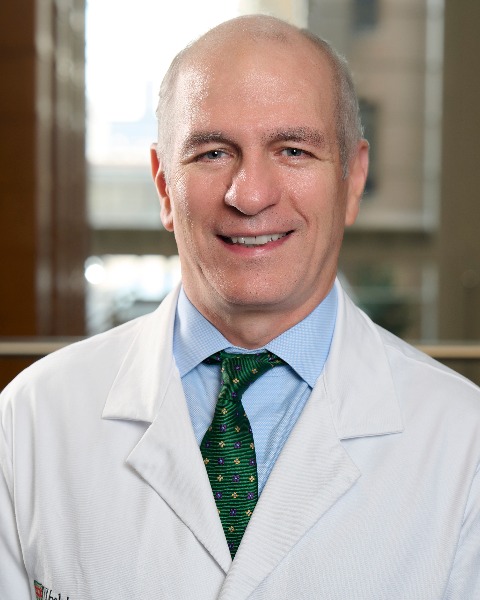
Peter D. Panagos, MD
Washington University in St. Louis
Dr. Panagos is currently Executive Vice Chair and Professor of Emergency Medicine and Neurology at Washington University in St Louis. He is a 1987 graduate of Dartmouth College. In 1994, he completed his medical education at Emory University. Following a year of surgical training at Naval Medical Center San Diego, he graduated and received his wings as a Naval Flight Surgeon in Pensacola, Florida. From 1996-1999, he was stationed in Okinawa, Japan from with the 3rd Marine Aircraft Wing. In 2002, he completed a residency in Emergency Medicine at the University of Cincinnati and subsequently completed a Neurovascular Emergencies/Stroke Fellowship at the same institution in 2003. At Washington University, he has served as PI for multiple NIH and Industry funded clinical trials including current Co-PI of NINDS StrokeNet (RCC 28). Starting in December 2023, he will serve as main PI of NIH/NINDS RCC 28 (MARCC), the largest national stroke trial network, StrokeNet. He is the Director of Neurovascular Emergencies in the Division of Emergency Medicine and Co-Director of the Barnes-Jewish Hospital/Washington University Stroke Network. He has severed in multiple leaderships for the AHA/ASA including Chair of Mission: Lifeline Stroke, the Emergency Neurovascular Care Committee (ENCC) and is the immediate past Chair of the ASA Stroke Council Leadership Committee. He is Associate Editor of Academic Emergency Medicine and an Emergency Medicine Oral Board Examiner.
-

Katherine D. Mayes, MD, PhD
Virginia Tech Carilion School of Medicine
Katherine Dickerson Mayes, MD, PhD is an Assistant Professor and Core Faculty of Emergency Medicine at the Virginia Tech Carilion School of Medicine. She attended medical school at Stanford University prior to completing her residency at the Harvard Affiliated Emergency Medicine Residency program at Mass General Brigham, where she served as chief resident. Her research interests include both the treatment of neurologic emergencies and social determinants of health.
-
Erin Kane, MD, MHPE
Washington University in St. Louis
Erin Kane, MD, MHPE completed emergency medicine residency and EMS fellowship through Washington University in St. Louis. She completed a Master of Health Professions Education degree through the University of Missouri in Kansas City. She has held roles as medical director and instructor for EMS response agencies and training academies in the St. Louis area. She has led educational initiatives as both an Assistant Program Director for the EMS fellowship and emergency medicine residency. She has conducted and presented EMS research, primarily related to prehospital airway management. Nationally, she was elected as the Chair of the EMS Interest Group for SAEM. She serves at the workgroup lead for the National Association of EMS Physicians’ Education Committee project on developing workshops for best practices in medical control for the non-fellowship trained physician. Her areas of expertise include EMS medical control practices, prehospital airway management, culturally competent care, mass gathering and event medicine, and mass casualty response.
-

Kyle A. Hultz, PharmD
Memorial Hospital West
I am a residency trained emergency medicine clinical pharmacy specialist currently practicing as a clinical coordinator at Memorial Hospital West with experience working in both large and small health systems in Florida, Connecticut, New York, and Pennsylvania.
I am passionate about bedside patient care, customer satisfaction, multi-disciplinary continuing education, process improvement, and enhancing healthcare outcomes by optimizing clinical practice and the use of electronic medical records.
My areas of clinical interest include resuscitation, anticoagulation and management of antithrombotic associated bleeding, neurologic emergencies, and cardiovascular disease.
My goal is to provide a pharmacist's perspective on the management of acute events and how patients experience the continuum of care from the Emergency Department to hospital discharge with the ultimate goal of returning to a high quality of life. -
Maulik Lathiya, MBBS
Maulik is a medical school graduate and research Fellow with keen interest in emergency medicine and EMS.