Tasers, Tear Gas, Long-Range Acoustic Devices, and PepperBalls: Treatment of Injuries From Less Lethal Weapons (Tactical and Law Enforcement Interest Group Sponsored)
Tasers, Tear Gas, Long-Range Acoustic Devices, and PepperBalls: Treatment of Injuries From Less Lethal Weapons (Tactical and Law Enforcement Interest Group Sponsored) Less lethal weapons are often used by law enforcement as part of routine operations, tactical operations, and during civil unrest. Recent events have brought more focus on use of these weapons and injuries and deaths caused by them. While these weapons are less likely to cause severe injury than lethal weapons like firearms. In this session emergency physicians with training in use of these weapons and care of patients injured with these weapons will discuss these weapons including electrical discharge weapons, chemical agents (such as pepper spray and tear gas), acoustic weapons and ballistic weapons.
Presenters:
- Jeremy Ackerman, MD, PhD
- Florian F. Schmitzberger, MD, MS
- Esther Hwang, DO, MPH, FACEP
- Samuel Malakhovsky, MD, EMT-P
-
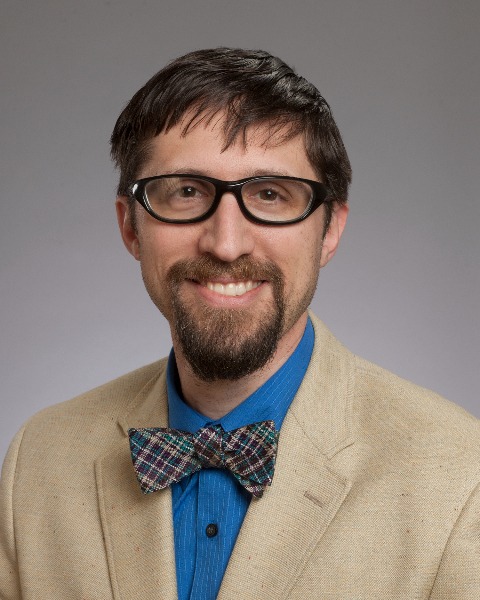
Jeremy Ackerman, MD, PhD
Emory University School of Medicine
Dr. Ackerman is an Assocaite Professor in the Department of Emergency Medicine in the Emory University School of Medicine and is an Associate Professor in the Wallace H. Coulter Department of Biomedical Engineering at Emory University and the Georgia Institute of Technology. He completed residency in Emergency Medicine at Stonybrook after completing medical school and his PhD in Biomedical Engineering at The University of North Carolina. Dr, Ackerman teaches graduate and undergraduate engineering students about design in healthcare settings. He has been awarded multiple patents and has worked with multiple medical start-ups. Dr. Ackerman is also a certified Peace Officer in the State of Georgia and serves as a member of a SWAT team. He is a certified law enforcement instructor and regularly provides training for police officers and cadets.
-
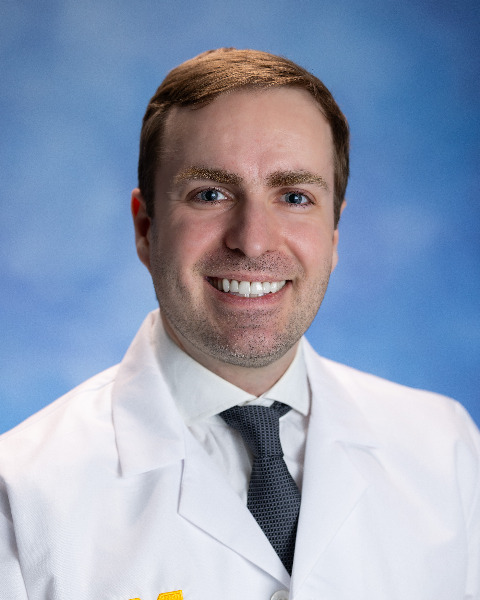
Florian Schmitzberger, MD, MS
Member-at-Large
University of Michigan
Dr. Schmitzberger is a clinical instructor at the University of Michigan. He has a Bachelor of Science in Biomedical Computation as well as a Master of Science in Bioinformatics from Stanford University. He completed his medical studies at the Charité University in Berlin where he also received his scientific doctorate. He is an emergency medicine physician at the University of Michigan and a fellow for resuscitation science and is principle investigator in multiple studies. He holds a fellowship of the academy of wilderness medicine. He served in the Austrian Military as a medic and is the associate medical director for the Genesee county Sheriff’s department paramedic division, serving Flint, Michigan. He has extensive experience in international medicine, having been active as team leader, medic and physician in numerous conflict regions (Burmese civil war, Syrian conflict, Afghanistan war, Venezuelan crisis, Ukraine war) as well as in medical civic actions in other regions.
-
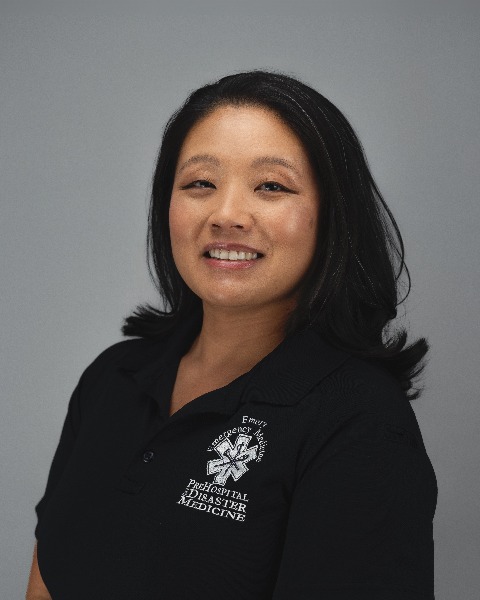
Esther Hwang, DO, MPH, FACEP
Emory University School of Medicine
Dr. Esther Hwang is an Assistant Professor of Emergency Medicine at Emory University and works clinically with Grady Memorial Hospital, Atlanta’s only Level 1 trauma center. She is the Medical Director for AMR DeKalb County and associate Medical Director for the Emory-Grady EMS Biosafety Transport Team (BST), who safely transported the first patients to be treated for Ebola Virus infection in the United States to Emory University for care in 2014. She is also a Local Emergency Medical Advisor (LEMA) for the National Park Services for the Atlanta Region, serving three major National Park areas including the Chattahoochee River, the Martin Luther King Jr. Historic Site, and Kennesaw Mountain. Dr. Hwang completed a fellowship in EMS at Emory University in 2020. She is currently the NAEMSP Operational EMS Committee chair, serving the term for 2023 – 2025. She is also the current Vice President for the NAEMSP – Georgia Chapter. Her academic interests include emergency and disaster preparedness for CBRNE events and tactical EMS. Her primary focus is on CBRNE HazMat emergency preparedness resiliency. She has spoken regionally, nationally, and internationally on topics pertaining mass casualty disaster triage and tactical EMS.
-
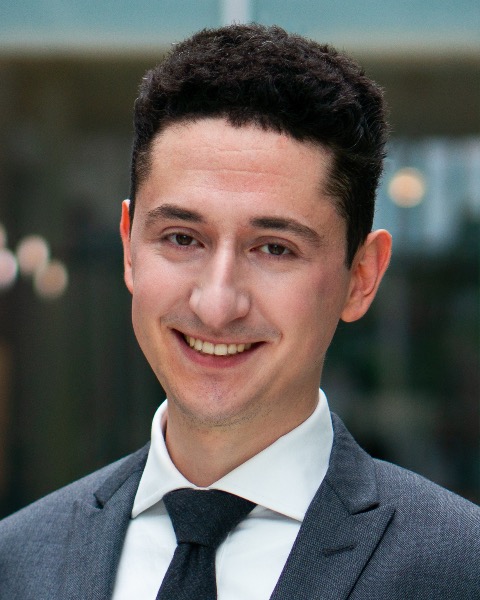
Samuel Malakhovsky, MD, EMT-P
University of Michigan
Originally from Massachusetts, Sam spent over eight years in EMS on the east coast. He was involved in both 911 response and critical care transport roles as a paramedic and was also heavily engaged in EMS education, both at state training academies and as a field training officer. Now a PGY-III Emergency Medicine Resident at University of Michigan, Sam has a research and operations interest in the intersection of healthcare and the criminal justice system. In particular, building on his prior EMS experience of interfacing with law enforcement, he is engaged in growing the field of tactical and law enforcement medicine.