She's Quiet, He's a Good Listener: Ensuring Equity in Verbal Feedback on Clinical Performance (RAMS and AACEM Sponsored)
Bias in verbal feedback during clinical shifts can impact team cohesion, trainee success, and a sense of belonging for residents, medical students, and interprofessional colleagues. This interactive session addresses strategies to mitigate bias in real-time feedback, incorporating evidence-based best practices and real-world examples. Participants will explore concepts such as stereotype threat, protective hesitation, and agentic vs. communal language. Common feedback biases—halo and horns effect, leniency errors, and more—will be discussed, alongside practical tools and scripts for equitable and inclusive feedback. Attendees will leave equipped to implement best practices for meaningful feedback in the emergency department.
Learning Objectives:
- Understand the existing literature on bias in feedback
- Discuss best practices in delivering verbal feedback to learners in the ED
- Apply best practices to cases
Presenters:
- Kamna S. Balhara, MD, MA, FACEP
- Katrina Gipson, MD, MPH, FACEP
- P. Logan Weygandt, MD, MPH, FACEP
- Nathan Irvin, MD, MSHPR
- Danielle T. Miller, MD
- Simiao Li-Sauerwine, MD, MSCR
- Daniel J. Artiga, MD
-
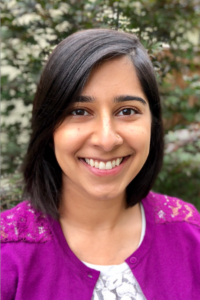
Kamna S. Balhara, MD, MA, FACEP
Associate Professor of Emergency Medicine
Johns Hopkins University
Dr. Kamna Balhara is an associate professor of emergency medicine (EM) at the Johns Hopkins University School of Medicine, and holds a dual appointment as associate professor in Medicine, Science, and the Humanities at the Johns Hopkins Zanvyl Krieger School of Arts and Sciences. After obtaining a master’s degree in French Cultural Studies from Columbia University, she completed medical school and residency at Johns Hopkins, serving as chief resident. She served in residency program leadership at the University of Texas San Antonio and subsequently at Johns Hopkins.
Dr. Balhara is an innovator in the health humanities and has experience with implementing humanities curricula for medical students, residents, and faculty from across specialties. She is a founder and co-director of the Health Humanities at Hopkins EM initiative, which offers equity-focused and humanities-based programming to institution, community, and national audiences. She also directs a unique longitudinal interdisciplinary institution-wide health equity and humanities track for residents and fellows across Johns Hopkins, and directs the Health Humanities Fellowship. She has been invited to speak to international audiences on the humanities in medicine and was selected as a Harvard Macy Institute Art Museum-Based Health Professions Education Fellow.
Her scholarly interests revolve around equity and inclusion in clinical and learning environments. She has authored multiple publications on graduate medical education, humanities, social determinants of health, and disparities in health care access, and has developed tools and resources for other educators seeking to apply the humanities towards equity in health care and health professions education. Her work has been funded by the Association of American Medical Colleges (AAMC), the Josiah Macy Foundation, the National Endowment for the Humanities, and the Emergency Medicine Foundation. She serves on the steering committee for the National Health Humanities Consortium, and is a member of the editorial board of the SAEM journal Academic Emergency Medicine.
-

Katrina Gipson, MD, MPH, FACEP
Assistant Professor
Emory University School of Medicine
Dr. Gipson is an assistant professor of emergency medicine at Emory, practices clinically at Grady Memorial Hospital, and is the founding health policy fellowship director for her department. She is president of ADIEM (2024-25) and served as co-chair of the education subcommittee of the equity & inclusion committee of SAEM. She recently completed a term as the National Medical Association (NMA) Emergency Medicine Section Secretary. Dr. Gipson’s OpEds discussing health equity and advocacy have been published in The Boston Globe, The Hill, The Progressive, and she’s been quoted in The New York Times. She is an avid public speaker having collaborated with the African American Policy Forum as a Critical Race Theory Summer School lecturer, Spencer Stuart’s Black History Month Speaker, Texas Speech-Language Hearing Association (TSHA) keynote speaker, SiriusXM's Urban View podcast guest, and many others. Dr. Gipson is a participant in the AAMC’s 2025 Healthcare Executive Diversity and Inclusion Certificate (HEDIC) Program and is an emerging health equity thought leader.
-
P. Logan Weygandt, MD, MPH, FACEP
Johns Hopkins University
P. Logan Weygandt, MD MPH is an instructor and associate program director in the Department of Emergency Medicine.
Dr. Weygandt completed his Masters in Public Health at Johns Hopkins Bloomberg School of Public Health before graduating from medical school at Johns Hopkins University School of Medicine. He completed his residency training at Northwestern University Emergency Medicine, where he served as chief resident.
Dr. Weygandt's interests include medical education, resident wellness, and healthcare disparities. He practices clinically in the Emergency Departments of Bayview Medical Center and the Johns Hopkins Hospital. -
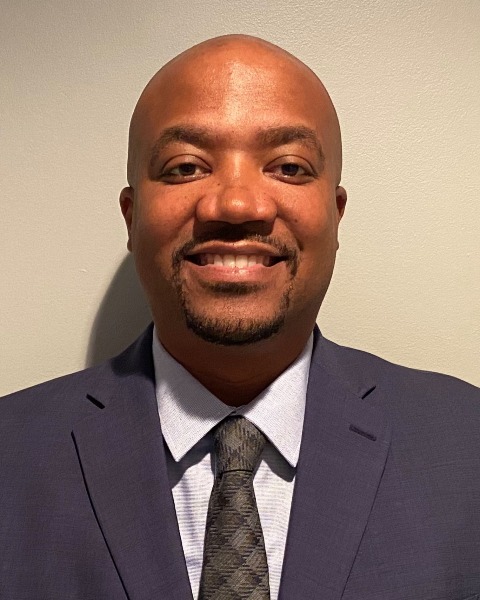
Nathan Irvin, MD, MSHPR
Johns Hopkins
Dr. Irvin is an assistant professor in the Department of Emergency Medicine. He earned a medical degree at Harvard in 2003. Following medical school, he completed a residency in emergency medicine at Alameda Health System’s Highland Hospital in Oakland, California, where he was a chief resident, prior to graduating in 2011.
Upon completion of residency, Dr. Irvin entered into the Robert Wood Johnson Foundation’s Clinical Scholars Program at the University of Pennsylvania, graduating in 2013 with a master's degree in health policy research.
Dr. Irvin holds interests in social emergency medicine and addressing many of the health and behavioral problems that affect people living in urban communities. Two such threats are HIV/AIDs and violence. He is currently the clinical director of the Johns Hopkins Bayview Medical Center Emergency Department HIV/HCV screening program, working to identify and get people with new diagnoses of HIV linked into care. Additionally, he is engaged in work related to youth violence prevention and endeavors to develop a trauma-informed, hospital-based violence intervention program. -

Danielle T. Miller, MD, MEd
Dr. Danielle Miller is currently a medical education researcher in the Department of Emergency Medicine at University of Colorado Denver, Anschutz Medical Campus. She completed her Medical Education Scholarship Fellow at Stanford Department of Emergency Medicine and Masters of Medical Education at University of Cincinnati. Dr. Miller's research has been in competency-based medical education in GME and UME including creating multiple mastery learning curricula in Emergency Department (ED) thoracotomy, donning and doffing PPE, and US-guided serratus anterior plan nerve blocks for rib fractures. Within the context of competency research, Dr. Miller received the Society of Academic Emergency Medicine Education Research Grant for her project entitled “Development of a Simulation Curriculum and Web-Based Modules to Teach Core EPA 10 to Medical Students. Additionally, Dr. Miller's research includes the integration of technology into assessment of learners and how the electronic the electronic health record (EHR) can track educational interventions and patient-centered outcomes.
-
Simiao Li-Sauerwine, MD, MSCR
-
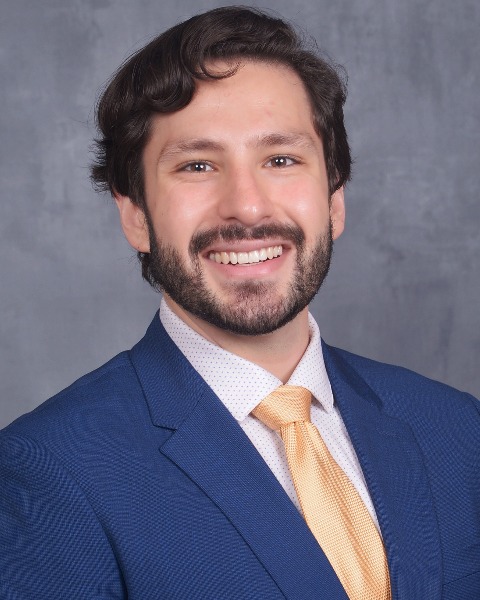
Daniel J. Artiga, MD
Dr. Daniel Artiga is a PGY-3 resident physician at the University of Cincinnati. He completed his undergraduate studies at Harvard University and was a Geffen Scholar at the University of California, Los Angeles David Geffen School of Medicine. He currently serves as the SAEM RAMS Secretary-Treasurer, and he has contributed to the RAMS community as a board member since 2022. Dr. Artiga is a first-generation Latino and believes in the empowerment of those underrepresented in medicine. He serves as liaison to the SAEM Equity and Inclusion Committee.
Dr. Artiga’s academic interests include ultrasound, education, and DEI. He has led multiple initiatives within RAMS including the Ask-A-Chair educational podcast series, advocacy efforts regarding unionization, social media pushes to feature resident membership, and informational reviews for EM certification. His most recent efforts involve teaching ultrasound to Latin American EM programs.