Lethal Means Counseling 101: A Practical Approach to Pediatric Suicide Prevention for the Emergency Physician
Mental health-related visits to emergency departments have risen significantly over the last decade with the greatest rate of rise for intentional self-harm. A majority of childhood suicide deaths result from items found at home. As non-pediatric emergency departments are often the first or only health care point of contact for many youths, Emergency Medicine clinicians are critical in the effort to reduce youth suicide. Brief safety interventions, such as lethal means counseling, in the emergency care setting have demonstrated positive effects on improved home safety practices and decreased repeat self-harm attempts among children and adults. Unfortunately, counseling on access to lethal means in the emergency department remains uncommon. Lack of confidence in efficacy and ability to deliver lethal means counseling are most commonly cited barriers among Emergency Medicine clinicians. Resources are available to aid in implementation and development of clinical practice guidelines, which can improve clinician confidence and frequency of counseling. In this session, we describe the increased overlap between mental health and the emergency department, and detail practical and timely interventions that can be delivered by all emergency clinicians. Facilitators will review the evidence which supports lethal means counseling in pediatric suicide prevention and describe its relevance to Emergency Medicine. Through didactic and interactive sessions, we will empower participants to implement practical guidelines within the emergency care setting.
Presenters:
- Bijan W. Ketabchi, MD, MPH
- Eric W. Fleegler, MD, MPH
- Lauren Hudak, MD, MPH
- Sofia Chaudhary, MD
- Susan J. Duffy, MD, MPH
-
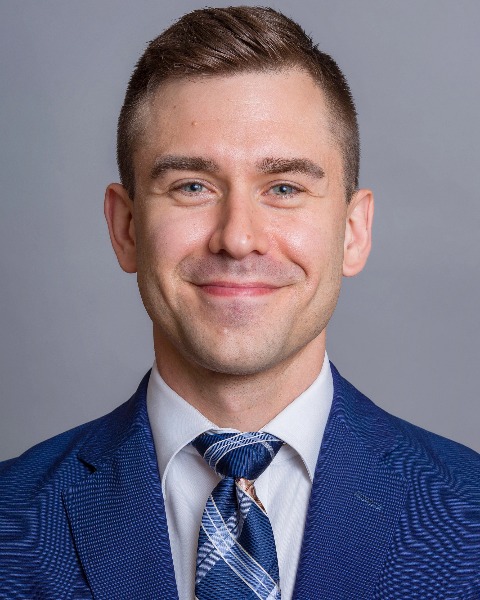
Bijan W. Ketabchi, MD, MPH
Children's Hospital of Philadelphia
Originally from Cincinnati, OH, Bijan Ketabchi completed medical school in Los Angeles at the Keck School of Medicine of USC before returning to his hometown for residency in General Pediatrics at Cincinnati Children's Hospital. His passion for suicide prevention began during residency training and continued to grow as he pursued fellowship in Pediatric Emergency Medicine. During fellowship he obtained his MPH and designed & completed a RCT around the distribution of gun locks in the ED setting for children with mental health concerns. This and other work led to Bijan receiving the Injury Prevention Champion award for the state of Ohio and a leadership role on the AAP's Section on Emergency Medicine Advocacy Subcommittee. His fervor for improving delivery of mental health care in the ED was the impetus for him to develop a first-of-its-kind year-long fellowship in Emergency Psychiatry in partnership with the Divisions of Child & Adolescent Psychiatry and Emergency Medicine at Cincinnati Children's Hospital. Bijan is currently Pediatric Emergency Medicine faculty at the Children's Hospital of Philadelphia and an Assistant Professor of Pediatrics at the Perelman School of Medicine of the University of Pennsylvania wherere his academic efforts are focused on suicide prevention, mental health advocacy, and agitation management.
-

Eric W. Fleegler, MD, MPH
Massachusetts General Hospital
Dr. Fleegler is an Associate Professor of Pediatrics and Emergency Medicine at Harvard Medical School and a pediatric emergency physician and health services researcher at Massachusetts General Hospital. Dr. Fleegler’s primary interests include firearm injury prevention, understanding and improving families’ health-related social needs and dispariies and health inequities.
-

Lauren Hudak, MD, MPH
Emory University, Grady Memorial Hospital
Lauren Hudak, MD, MPH is an attending physician of Emergency Medicine at Grady Memorial Hospital in Atlanta, Georgia, and an Associate Professor at Emory University School of Medicine. Dr. Hudak's clinical interest includes the care of patients who experience sexual assault, intimate partner violence, firearm injury, and those in the custody of law enforcement. Her public health and research interest includes the impact of violence and injury on mental health and the community, as well as firearm injury prevention in the clinical environment. She is Core Faculty of the Injury Prevention Research Center at Emory (IPRCE) where she is the former Assistant Director and Co-Chair of the Violence Prevention Task Force. She serves as the Rape Crisis Center Medical Director and the Law Enforcement Liaison for Grady Hospital System. She also leads the Emergency Medicine Sexual Violence curriculum, coordinating training for the sexual assault forensic examination as well as comprehensive advocacy focused clinical care. Her current research projects include examining the effectiveness of firearm safety discussions and safe storage practices with patients in Emergency Department and broader community.
-

Sofia Chaudhary, MD
Emory University School of Medicine/Children's Healthcare of Atlanta
Dr. Sofia Chaudhary is an Assistant Professor of Pediatrics and Emergency Medicine at Emory University School of Medicine and a pediatric emergency medicine physician at Children’s Healthcare of Atlanta. She completed Pediatrics Residency at Emory University School of Medicine in Atlanta, GA and Pediatric Emergency Medicine fellowship at Children’s Hospital of Philadelphia. She has completed a Health Policy Scholars Fellowship Program through the Academic Pediatric Association this year. She is on the executive board for Children’s Healthcare of Atlanta's Injury Prevention Program (CHIPP), is co-chair for the Violence Prevention Task Force for the Injury Prevention Research Center at Emory (IPRCE), and co-PI for the Atlanta Chapter of Injury Free Coalition for Kids. Her research and academic interests are focused on improving the health and well-being of children through injury prevention, specifically firearm injury prevention, and bringing evidence-based preventive interventions to both the bedside and within the community. Her most recent work is focused on primary prevention of pediatric firearm injuries through secure storage and lethal means counseling interventions. She has authored multiple publications looking at the impact of firearm injuries on children and teens.
-

Susan J. Duffy, MD, MPH
Alpert Medical School, Brown University
Susan Duffy, MD, MPH, Vice Chair Academic Affairs Deprtment of Emergency Medicine, Professor Emergency Medicine and Pediatrics, Brown University. Medical Director RI SAFE Program I am a pediatric emergency medicine physician at Hasbro Children's Hospital, in Providence ,RI and my career has focused on alleviating disparities in emergency care and improving care for children, youth. As current Vice Chair for Academic Development, and former Medical Director, I have over 28 years of experience developing and implementing quality programs and as an educator and researcher. I have significant experience in assessing and developing systems for emergency care and community ED outreach, particularly working with multidisciplinary experts formulating best practices and guidelines for patients with complex medical and social issues including victims of sexual trauma and domestic violence, care of children with mental health crises. I am the Medical Director of the RI SAFE program and PI on a Department of Justice Grant (RI-SAFE) to develop a sexual assault forensic examiner program in Rhode Island EDs I was also awarded a Brown Physicians, Inc. grant to investigate the Implementation of the RI-SAFE program. I am the recipient of a Brown Grant to develop and investigate a virtual education program for clinicians to Improve Care for Victims of Acute Sexual Assault that is now a CME program offered to medical providers throughout the region. Icollaborate in national efforts through the American Academy of Pediatrics, HRSA-Emergency Medical Services for Children (EMS-C), and other medical organizations in the US and Canada to improve equitable care for children with mental health issues presenting to EDs.This has resulted in the collaborative development of best practices for ED patients with acute mental health crises, most recently involvement with HRSA supported EMSC initiatives to develop tools for ED providers to respond to the children’s mental health crisis, facilitate emergency departments in an EMSC/EII quality collaborative to improve care at risk for suicide, developing virtual training for ED pediatric providers on agitation management through an AAP educational platform, through collaborative effort sponsored by HRSA to develop a toolkit to assist EDs to improve preparedness to care for children with mental health crises, through a NIMH Grant to develop an ED screening tool for Adolescent Suicide (ED STARS) and a NIMH Grant to assess the impact of acute trauma on the development of PTSD using social media (ED EAR) and an AAP Healthy Tomorrows Grant to Incorporate Adolescent Substance Abuse Screening, Brief Intervention and Referral to Treatment into pediatric practice (Adolescent SBIRT).