How to Use Umbrella Protocols for Education Outcomes Research
Medical educators often innovate with new curricula and assessments but may avoid studying or publishing their interventions due to the challenges of the Institutional Review Board (IRB) process. Instead of submitting individual IRB protocols, an “umbrella protocol” can expedite approval for related studies within a clinical data registry. Common in clinical research, umbrella protocols have limited application in education-based research. In this session, we will share the creation, approval, and implementation process of an umbrella protocol at the University of Cincinnati. We’ll discuss our key aims, core assumptions, and the framework that led to IRB exemption. This work aims to serve as a model for other institutions, and if widely adopted, umbrella protocols could enable multisite educational research to benefit the field.
Learning Objectives:
- Understand how the concept of a clinical data registry and/or umbrella protocol can be applied to education outcomes research.
- Define the core assumptions necessary for protocol creation and IRB-exemption.
- Explore the benefits and barriers to umbrella protocol creation for themselves, their department, and our field.
Presenters:
- Robbie Paulsen, MD
- Jeffery Hill, MD, MEd
- Erin McDonough, MD
- Sally A. Santen, MD, PhD
-

Robbie Paulsen, MD
Washington University in St. Louis
Since her graduation from the University of Cincinnati emergency medicine residency program in 2014, Dr. Paulsen has served in a number of leadership roles including Fourth Year Clerkship Director, Assistant Residency Program Director, and Director of Junior Faculty Development while junior faculty herself. She joined the Department of Emergency Medicine at the Washington University in St. Louis in September 2023 and currently serves as the Associate Vice Chair of Mentorship and Faculty Development. Her academic work to date has been in assessment methods, systems of mentorship and coaching, and career advising.
-

Jeffery Hill, MD, MEd
University of Cincinnati
I am an Associate Professor in the Department of Emergency Medicine at the University of Cincinnati. I graduated residency training at the University of Cincinnati in 2012 and thereafter completed a 2 year Masters of Medical Education through the University of Cincinnati. I have been involved in residency leadership since the completion of my fellowship training with a particular focus on resident bedside teaching in boarded EDs, residency didactics, teaching residents to be teachers, and asynchronous/technology facilitated educational interventions. My scholarly work is focused in these content areas as well with original publications on the development and validation of a lecture assessment tool, using Slack to facilitate virtual small group discussions, and survey-based research best practices. In our Deparment I also serve as the chair of our Education Leadership Academy, the goal of which is to teach residents the management principles and skills necessary to be leaders in Emergency Medicine education. -
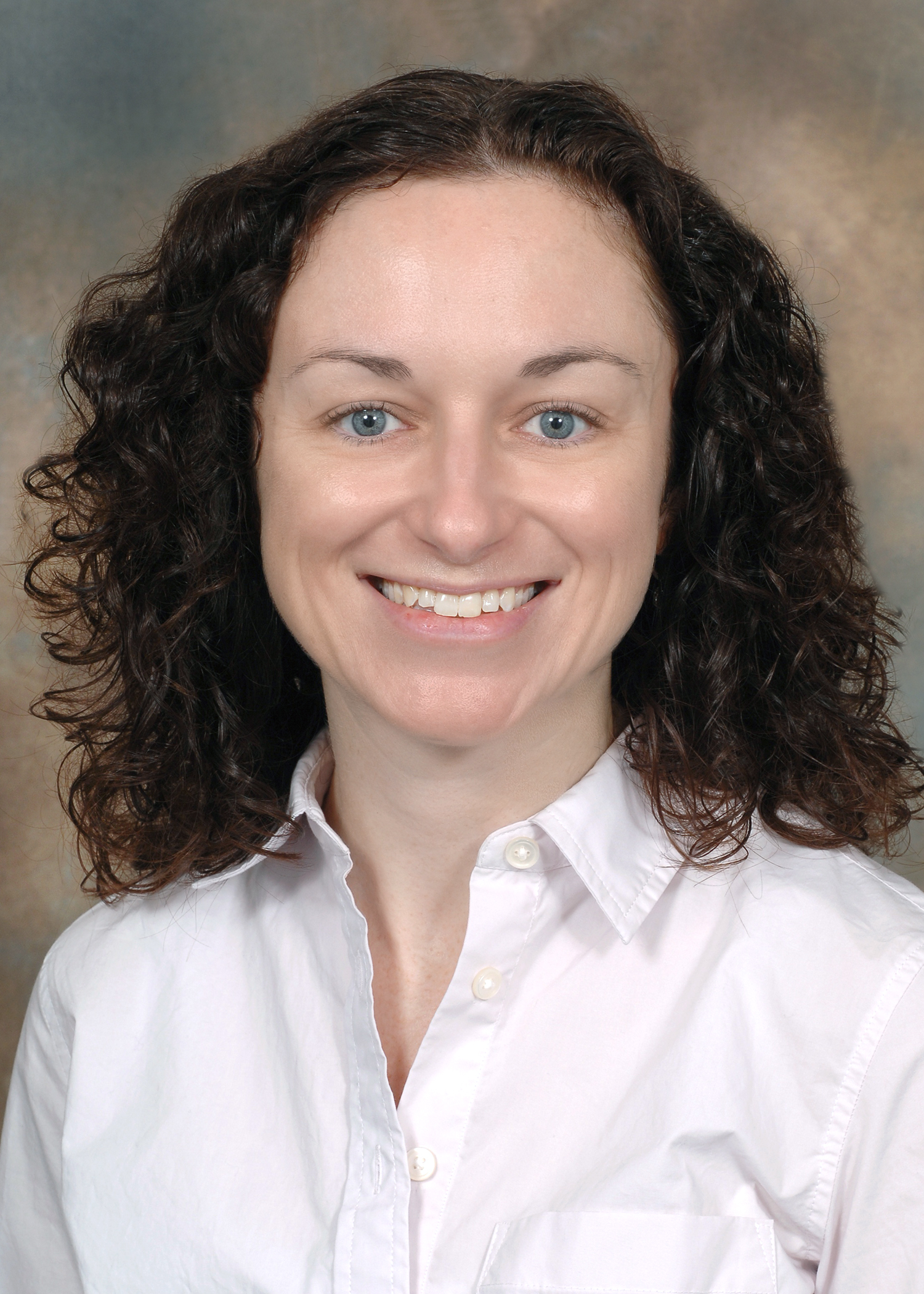
Erin McDonough, MD
University of Cincinnati
Dr. McDonough is the Residency Program Director and Professor of Emergency Medicine at the University of Cincinnati College of Medicine. She completed her medical school education at the Northwestern University Feinberg School of Medicine, graduating in 2004. She then trained at the University of Cincinnati, completing her Emergency Medicine residency training in 2008 (serving as Chief Resident in 2007-2008) and then a Neurocritical Care and Neurovascular Emergencies Fellowship in 2010. After training, she joined the faculty at UC as an Assistant Program Director for the Emergency Medicine Residency Program. She has served as Program Director since 2017.
-
Sally A. Santen, MD, PhD
University of Cincinnati
Dr Santen is an education researcher and professor of Emergency Medicine, University of Cincinnati.