From Zero to Hero: On Navigating The National Institute of Health Alphabet Soup and Getting To Federal Funding (Research Committee Sponsored)
Research funding is key to advancing the research and promotion of the Emergency Medicine clinician-scientist. However, many academic physicians lack the necessary mentorship and knowledge to access and successfully submit applications to federal funding sources such as the NIH and AHRQ. In this didactic, we will walk participants through the basics of how to understand, access, and navigate NIH, AHRQ and other federal funding opportunities. We will introduce and explain key terminology used by these funding sources. We will guide participants through navigating the NIH website, in particular, describe institutes and centers including the importance of understanding their respective missions, discuss standard cycle funding and associated due dates. Participants will be guided through a sample Funding Opportunity Announcement highlighting key content and discuss key contacts to be aware of and where to find them. During this time, we will also distinguish between the alphabet soup of federal grant mechanisms with a brief discussion of each, including the purpose, requirements, and support provided by each award type. Finally, we will close with overall guidance on the importance of mentorship and leveraging institutional infrastructure to help facilitate success in navigating the logistical challenges of identifying, submitting, and securing a competitive federally funded grant.
Presenters:
- Christine Ngaruiya, MD, MSc, DTM&H
- Elizabeth M. Schoenfeld, MD, MS
- Faheem W. Guirgis, MD, FACEP
-
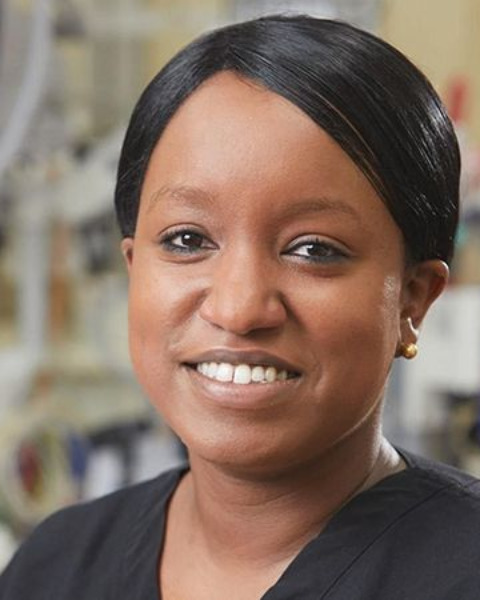
Christine Ngaruiya, MD, MSc, DTM&H
Stanford University
Dr. Ngaruiya is an Associate Professor in the Department of Emergency Medicine (DEM) at Stanford University, and the Population and Global Health Research Director for the Department. She completed fellowship in Global Health in the Yale Department of Emergency Medicine in 2015, matriculating with an MSc in Tropical Medicine and International Health, and DTM&H from LSHTM, then joined the faculty at Yale for several years prior to joining the Stanford faculty. She is also a graduate of the NIH Training Institute for Dissemination and Implementation Research in Health (TIDIRH) program, which she was competitively selected for from a national pool of applicants for the 2019-2020 cohort. Her research centers on: Non-communicable Diseases (NCDs), barriers to care, and community-based interventions with a particular focus on Africa. Her past professional work focused on health disparities among underserved populations in the U.S. and Community-Based Participatory Research (CBPR). This work has been funded by Yale University, NIH, USAID, the World Bank, Gates Foundation, and others. In 2021 and 2022, she was among the top 100 federally funded researchers in EM.
Some past honors include: the Emergency Medicine Resident’s Association (EMRA) Augustine D’Orta Award for outstanding community and grassroots involvement, Harambe Entrepreneur Alliance Associate and the 2014 Harambe Pfizer Fellow Award for social entrepreneurship, the 2016 University of Nebraska Outstanding International Alumnus award, the 2018 Society for Academic Emergency Medicine Global Emergency Medicine Academy Young Physician award, and the 2019 Yale School of Medicine Leonard Tow Humanism award. In 2020, she was selected as 1 of 24 women nationally as part of the Stanford-affiliated, Gates Foundation funded WomenLift Health Leadership Cohort.
She has held several national and international leadership positions including with: the SAEM Global Emergency Medicine Academy, the Women Leaders in Global Health (WLGH) conference committee and the Consortium of Universities for Global Health (CUGH) Research Committee. She was also a founding member of the Yale Network for Global Noncommunicable Disease (NGN), which acts as a hub for global NCD work involving the Yale community. Additionally, she served on the research pre-symposium committee for the African Conference on Emergency Medicine in 2014, on the Scientific Committee in 2016, and as the chair for the research pre-symposium committee in 2020. She has sat on a number of NIH panels related to global NCD topics, and has lectured both nationally and internationally on the same. -
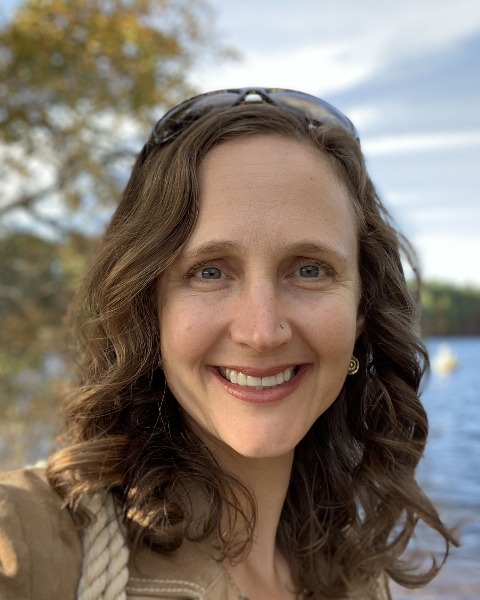
Elizabeth M. Schoenfeld, MD, MS
UMass Chan - Baystate
Dr. Schoenfeld is the VC of Research at UMass Chan-Baystate. She completed her K award in 2023 (Shared Decision Making in the ED for imaging decisions in suspected renal colic) and currently serves as a mentor to several K awardees and clinician-researchers working towards K funding. She has received research funding as PI from NIDA, AHRQ, and various foundations (R03, K, and R34). She is a Decision Editor for Qualitative Methods for Academic Emergency Medicine. Current areas of research and interest include shared decision-making (SDM) with people who use drugs, building trustworthiness, SDM without shared language, supporting EM research, and harm reduction for people who use stimulants. She is more than happy to talk to you about your own research interests, your career, qualitative methods, or any place she could be helpful to you.
-
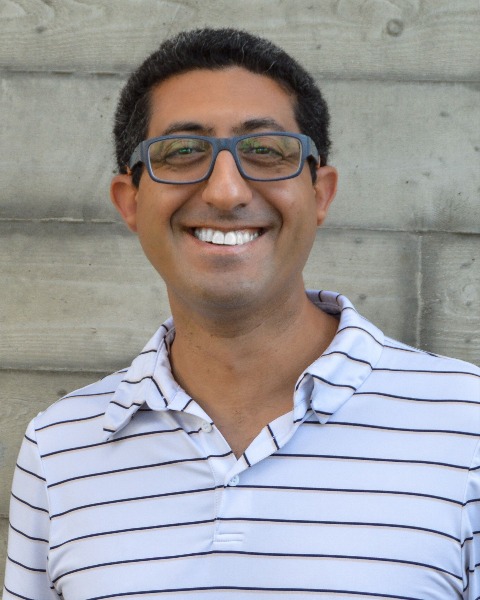
Faheem W. Guirgis, MD, FACEP
University of Florida
Faheem W. Guirgis, M.D., is an endowed professor of emergency medicine at the University of Florida. His research program’s goal is to define the pathophysiologic role of lipids and lipoproteins in mediating organ failure, inflammation, and recovery from sepsis and to discover precision medicine treatments. He has been the recipient of multiple NIH awards to fund his research. Dr. Guirgis has also been a proponent and leader of research education and is MPI and Co-director of the UF-FSU NCATS KL2 Program.