
Establishing Best Practices for Pediatric Opioid Use Disorder in the Emergency Department: A Pediatric Emergency Care Applied Research Network Consensus
Pediatric overdose deaths are rising, yet buprenorphine, a life-saving medication, remains under-prescribed for adolescents in the emergency department (ED). To address this, the Pediatric Emergency Care Applied Research Network (PECARN) has convened experts to create best practice guidelines for opioid use disorder (OUD) treatment in pediatric ED patients. This session will present the draft recommendations and provide an opportunity for participants to engage in small group discussions, offering feedback on their application in various settings. Participants will leave with an understanding of current OUD treatment practices and be ready to implement changes in their own clinical environments.
Learning Objectives:
- Describe the most current recommendations for evaluating and treating pediatric OUD in the ED.
- Describe best practices in the area and be a part of the creation of a roadmap for future work and discussion.
- Implement changes in their workplace.
Presenters:
- Chris Buresh, MD, MPH, DTM&H
- Stephen Sandelich, MD
- Madeline H. Renny, MD, MS
-
Chris Buresh, MD, MPH, DTM&H
University of Washington
Chris Buresh is a pediatrician and emergency medicine physician who has also trained in public health and infectious disease. His focus has been around the care of marginalized populations who struggle with housing, chaotic drug use, and vulnerability to communicable disease. He works at Harborview Medical Center and Seattle Children’s Hospital emergency departments as an associate professor and helps to direct the emergency medicine residency for the University of Washington. He has been involved in harm reduction and advocacy since 2015 and has helped to create protocols for the treatment of opioid use disorder in adults and children. He hopes to teach future generations of emergency physicians that being a good physician means being involved far beyond the walls of the emergency department. -
Stephen Sandelich, MD
Penn State University
I am a pediatric emergency medicine physician specializing in substance abuse disorders and adolescent mental health. My medical journey has deeply acquainted me with the challenges and nuances of pediatric emergencies arising from substance abuse and mental health crises. Before my current academic position, I was primarily working in community practice. In this role, I focused on honing my clinical acumen and, through exposure to teens and adolescents with substance use disorder, became an expert in the emergency department treatment of these patients. This expertise manifested in developing and implementing an emergency department-based medicated assisted treatment program for adolescents with substance use disorder presenting in withdrawal.
-
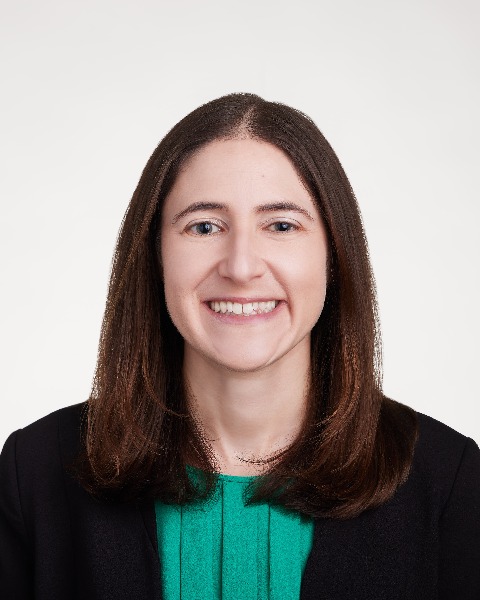
Madeline H. Renny, MD, MS
Icahn School of Medicine at Mount Sinai
Madeline H. Renny, MD, MS, Assistant Professor of Emergency Medicine, Pediatrics, and Population Health Science and Policy at the Icahn School of Medicine at Mount Sinai, is a physician-scientist whose research focuses on pediatric and adolescent drug overdose prevention and emergency department-based interventions for youth with substance use.