Critical Care, Compassionate Choices: Implementing a Harm Reduction Program in the Emergency Department (Social EM and Population Health Interest Group-Sponsored)
You’ve heard of harm reduction, but what does it truly look like in an emergency department? As harm reduction methods continue to evolve, we understand better how to keep individuals who use drugs safe and provide access to high-quality care. Stigmatizing access to harm reduction supplies can isolate marginalized populations and cause significant harm. Evidence-based harm reduction promotes trust and improves relationships between EM physicians and patients, ultimately saving lives. In this session, a panel of EM physicians will share their experiences with harm reduction practices across three different EDs. Topics will include successful methods, implementation challenges, and future directions. Participants will learn practical approaches to harm reduction, even with limited resources, and gain insights for integrating these practices into their EDs. This session is suitable for medical students, residents, and faculty interested in implementing harm reduction strategies.
Learning Objectives:
- Understand what harm reduction is and identify steps to implementing it
- Recognize barriers and facilitators that may occur when implementing harm reduction efforts
- Discuss multiple options for how participants can bring harm reduction to their ED
Presenters:
- Callan Fockele, MD, MS
- Natalie Strokes, DO, MPH, MS
- Karrin Weisenthal, MD, MHS
- Chris Buresh, MD, MPH, DTM&H
-
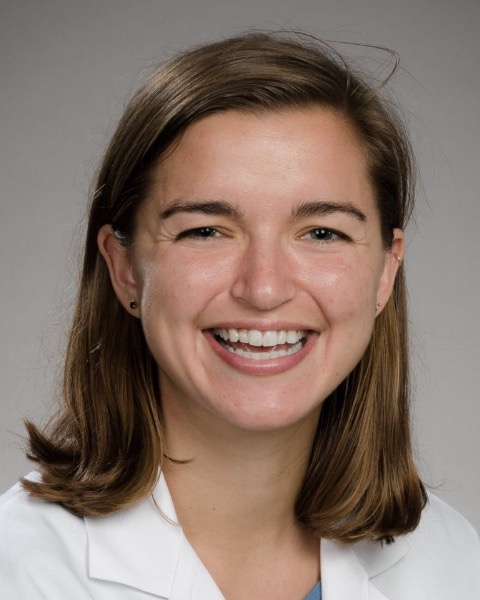
Callan Fockele, MD, MS
University of Washington
Dr. Callan Fockele is an emergency physician with advanced training in population health research and addiction medicine. She works clinically in the Harborview Medical Center Emergency Department and Healthcare in Housing program. She is dedicated to broadening the addiction services provided to the most vulnerable patients seeking emergency care in our community.
Dr. Fockele is a member of Research with Expert Advisors on Drug Use (READU), a group of both academically trained and community-trained researchers with lived and living experience of substance use. Her community-engaged research focuses on improving outcomes for people who use drugs. She studies how contingency management and the community reinforcement approach can be integrated into permanent supportive housing for residents who use methamphetamine, and she is interested in the impact of sub-acute stabilization centers and field-based initiation of buprenorphine on opioid overdose survivors. She receives funding from the National Institute on Drug Abuse and the University of Washington Addictions, Drug & Alcohol Institute. -
Natalie Strokes, DO, MPH, MS
UMass Chan-Baystate
Dr. Natalie Strokes is a current Health Equity Fellow and Instructor in Emergency Medicine at UMass Chan-Baystate in Western Massachusetts. She received her medical degree at A.T. Still University - School of Osteopathic Medicine in Arizona and is currently pursuing her Master of Public Health degree at the University of Massachusetts. She completed her Emergency Medicine Residency at UMass Chan-Baystate before becoming the inaugural Health Equity Fellow in the department at Baystate. She enjoys introducing the concept of health equity and how it can be incorporated into patient care through education of medical students and residents. Her interests include trauma informed care, harm reduction in substance use disorders, health equity dashboards, developing educational materials with an equity-focused lens and violence intervention. One of her many passions in medicine includes global health and she has been fortunate to participate in sustainable medical care around the world including southern India, Rwanda, Haiti and Tanzania. She currently serves on the Board of Directors for Massachusetts College of Emergency Physicians (MACEP) and is the chair of MACEP’s health equity committee.
-
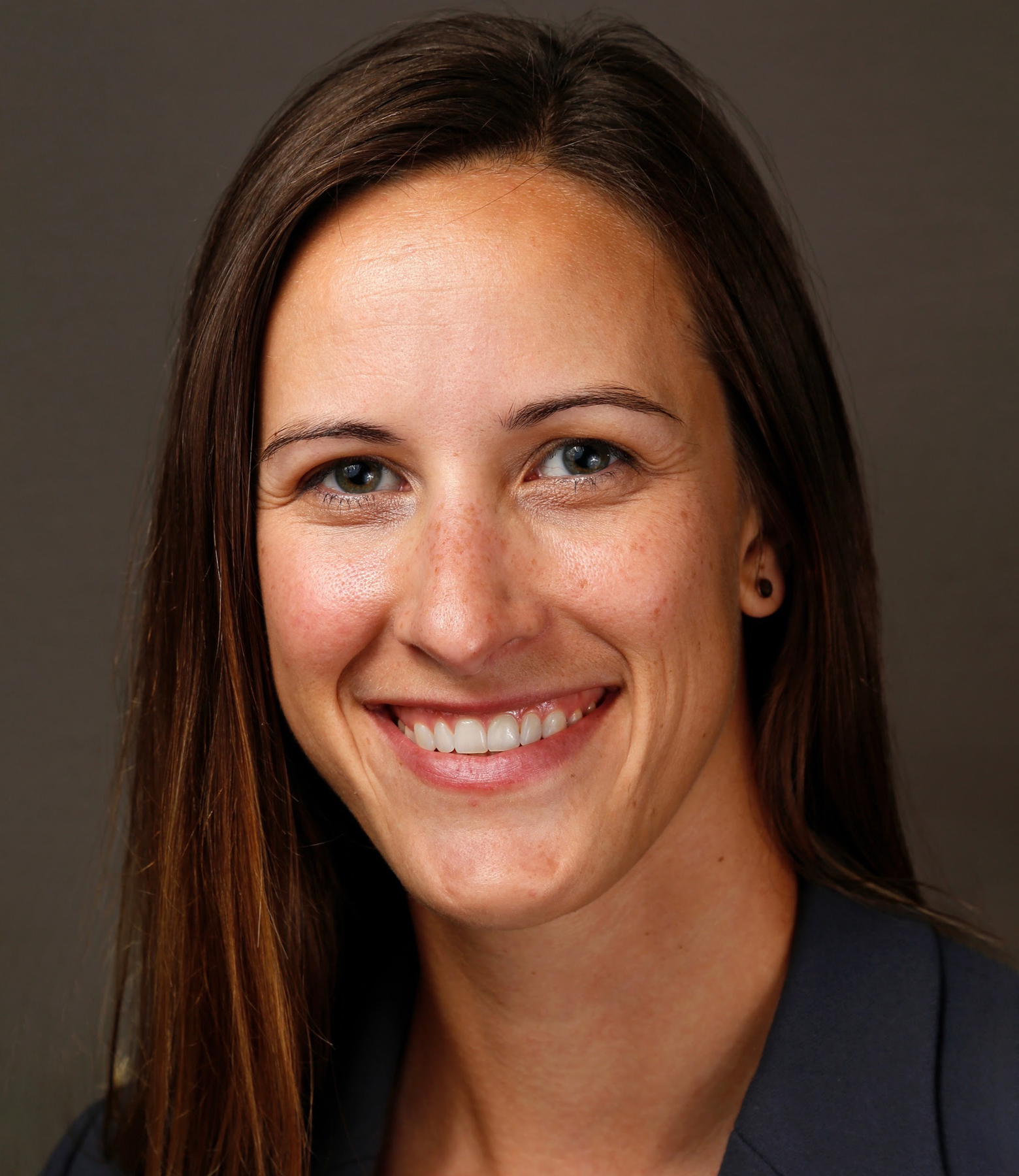
Karrin Weisenthal, MD, MHS
Boston Medical Center
Karri Weisenthal, M.D./M.H.S. is an Assistant Professor of Emergency Medicine at the Boston University Chobanian and Avedisian School of Medicine, the Associate Medical Director of Faster Paths to Treatment, Boston Medical Center’s low-barrier addiction bridge clinic, and the Medical Director for the integrated ED Addiction Consult Team. She graduated cum laude from the Yale School of Medicine and completed her residency training in Emergency Medicine and Addiction Medicine fellowship at Boston Medical Center.
Dr. Weisenthal is an active researcher in the fields of Emergency and Addiction Medicine, and she was awarded the SAEM Foundation/NIDA Mentor Facilitated Training Award to develop a curriculum on the incorporation of harm reduction into the care of patients who access emergency services. Her current research interests include improving initiation and access to medications for opioid use disorder in the emergency department (ED) with an equity lens, ensuring smooth transitions of care from the ED to outpatient settings, and integrating a harm reduction approach into the care of patients in the ED. -
Chris Buresh, MD, MPH, DTM&H
University of Washington
Chris Buresh is a pediatrician and emergency medicine physician who has also trained in public health and infectious disease. His focus has been around the care of marginalized populations who struggle with housing, chaotic drug use, and vulnerability to communicable disease. He works at Harborview Medical Center and Seattle Children’s Hospital emergency departments as an associate professor and helps to direct the emergency medicine residency for the University of Washington. He has been involved in harm reduction and advocacy since 2015 and has helped to create protocols for the treatment of opioid use disorder in adults and children. He hopes to teach future generations of emergency physicians that being a good physician means being involved far beyond the walls of the emergency department.