Catch and Release? A Pro-Con Debate on Extubating Patients in the Emergency Department (Airway Interest Group- and Critical Care Interest Group-Sponsored)
Your patient is intubated and accepted to the intensive care unit (ICU), but continues to board in the emergency department (ED) overnight. Hours later, your patient appears alert and is reaching for the tube—should you consider extubation? In this session, emergency medicine fellowship-trained resuscitation and critical care physicians will engage in a pro/con debate on ED extubations. Practical "how-to" guidelines and an introduction to protocols will also be discussed. Attendees will learn how to identify candidates for ED extubation, navigate procedural and post-extubation challenges, and safely perform the procedure during their shifts, optimizing outcomes in these high-stakes scenarios.
Learning Objectives:
- Identify and describe the optimal patient populations and indications for extubation in the emergency department.
- Describe the limitations in undertaking extubation in the emergency department setting.
- Discuss and define a protocolized approach to extubating patients in the emergency department.
Presenters:
- Alexander Bracey, MD
- Kene Chukwuanu, MD
- Raghu R. Seethala, MD, MSc
- Skyler Lentz, MD
- Chidinma Nwakanma, MD
-

Alexander Bracey, MD, FACEP
Albany Medical College
I am an emergency physician practicing at Albany Medical Center in Albany, NY. I completed emergency medicine residency and fellowship in Resuscitation and Emergency Critical Care at Stony Brook University Hospital. I am currently the fellowship director of the Resuscitation and Emergency Critical Care program and the assistant program director for the Emergency Medicine residency at Albany Med. My focus is on the management of the critically ill patients in the emergency department setting, including advanced ECG interpretation, emergency airway management, and advanced vascular access techniques.
-
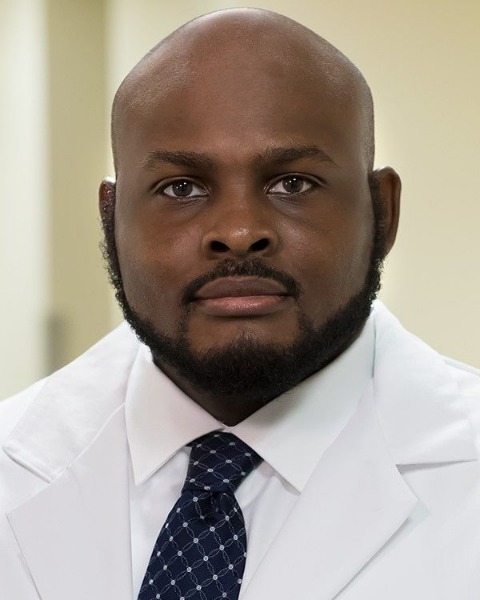
Kene Chukwuanu, MD
Associate Program Director, Emergency Medicine Residency Director of Emergency Ultrasound; SSM Health Saint Louis University Hospital Intensivist, Critical Care Medicine, SSM Health DePaul & St. Mary’s Hospitals - St. Louis, MO
Saint Louis University
Kene Chukwuanu, MD, FACEP, FAAEM, is an emergency medicine trained-intensivist from St. Louis, Missouri. He completed residency in emergency medicine at Saint Louis University (SLU), where he was also Chief Resident, followed by a Medical Education Fellowship at SLU. He then completed the Multidisciplinary Critical Care Medicine Fellowship at the University of Florida College of Medicine in Gainesville, Florida. He is board certified in both emergency medicine and critical care medicine.
Currently, Dr. Chukwuanu is the Associate Residency Program Director and Director of Emergency Ultrasound in the Emergency Medicine Residency Program at Saint Louis University. He is also Co-Director of Student Ultrasound Education for the SLU School of Medicine. Dr. Chukwuanu also currently serves as Vice President of the Missouri College of Emergency Physicians (MOCEP) and Chair-Elect of the EM Section of the National Medical Association (NMA). -

Raghu R. Seethala, MD, MSc
Brigham and Women's Hospital / Mass General Brigham
Dr. Seethala completed his residency in emergency medicine at the Mount Sinai School of Medicine in 2009. He then completed fellowship in Resuscitation Science from Hospital of the University of Pennsylvania in 2010. He pursued further training in critical care and completed Anesthesia Critical Care fellowship at Brigham and Women’s Hospital in 2011. He then joined as faculty at Brigham and Women's Hospital in both Emergency Medicine and Critical Care. Since joining faculty, he has held several leadership positions. From 2018 – 2020, he served as the fellowship director for Emergency Medicine Critical Care. He currently serves as the Chief of the Division of Emergency Critical Care, Medical Director of the ECMO Service, Director of Thoracic Surgical Intensive Care Unit, and co-Director of the Cardiac Surgical Intensive Care Unit.
-

Skyler Lentz, MD
University of Vermont Medical Center
Skyler Lentz, MD is a board-certified emergency and critical care physician who speaks locally, regionally and nationally on critical care topics. He works closely with national emergency medicine and critical care organizations, including the EMC3 consortium.
Dr. Lentz is the Division Chief of Resuscitation Science in the Department of Emergency Medicine at the University of Vermont. He works clinically in the medical, surgical, and cardiovascular intensive care units and the emergency department. Skyler enjoys understanding and explaining the complex physiology of critical care. -

Chidinma Nwakanma, MD
Hospital of the University of Pennsylvania
Dr. Chidinma Nwakanma is an Associate Professor of Clinical Emergency Medicine at the Hospital of the University of Pennsylvania (Penn). She received her medical degree from Northeast Ohio Medical University and completed her Emergency Medicine residency and Resuscitation & Emergency Critical Care Fellowship at Stony Brook University Hospital. Her professional interests are varied including critical care, resuscitation, women’s health, reproductive justice, health media, gun violence prevention, global medicine (particularly in West Africa and the Caribbean), and health equity as it pertains to Black/Brown communities. She strives to highlight social determinants of health and cultural humility in addition to clinical medicine when teaching trainees. She has been featured at numerous local and international conferences, on local radio shows and podcasts, and in several major national newspapers. She has received numerous clincal teaching awards. Most recently, she was awarded the Dean's Award for Excellence in Clinical Teaching by the Perelman School of Medicine at the University of Pennsylvania and was honored nationally for her exceptional bedside teaching by the American College of Emergency Physicians.