Capitalizing on the Diversity Tax (ADIEM-Sponsored)
One barrier to engaging in efforts to promote diversity, equity, and inclusion (DEI) in academic emergency departments is the "diversity tax," where members of underrepresented and marginalized groups are asked to spend excessive time on DEI initiatives without compensation or academic credit. This can discourage individuals from pursuing an academic career or hinder those involved in DEI work from advancing, leading to attrition and burnout. In this talk, we will explore how we leveraged our DEI efforts to advance our careers as medical educators, focus DEI work on areas with academic value, and demonstrate how our initiatives influenced departmental support and resources.
Learning Objectives:
- Understand how the diversity tax hinders engagement in DEI efforts and impacts faculty from underrepresented and marginalized groups
- List three ways that faculty engaged in DEI work can use that work to support academic advancement
- Describe examples of leveraging DEI work to gain more support from EM department chairs
Presenters:
- Jessica Bod, MD
- Geoffrey P. Hays, MD
- Joshua Ellis, MD, MPH
-
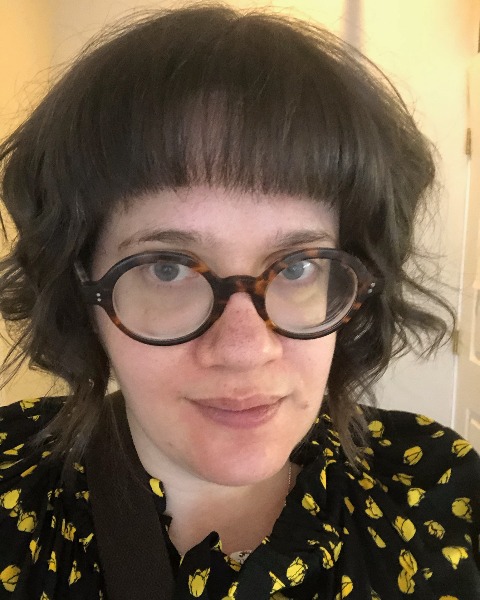
Jessica Bod, MD
Yale University School of Medicine
Jessica Bod is an assistant professor at Yale School of Medicine department of emergency medicine. She grew up in a family of teachers; her grandfather taught chemistry, her mother is a high school biology teacher and her sister teaches second grade. During her medical training, Jessica naturally gravitated toward a career in medical education. As a resident in emergency medicine, Jessica was the inaugural “resident liaison to medical students” for the Yale emergency department, and helped to shape the curriculum for this required rotation. When she graduated, she became the assistant clerkship director and shortly thereafter became the director of medical student education. In this role, she oversees all programming related to medical students in the department of EM including the required clinical clerkship, the two types of sub-internship and the virtual elective. She is also responsible for mentoring medical students interested in pursuing careers in EM and for leading other faculty involved in medical student education, such as the associate clerkship director.
Jessica’s interests include the creation of programs promoting residents as leaders in medical education, curriculum development and inclusive excellence in medical curricula. She has spoken about her curricular innovations locally at Medical Education Day and nationally at CORD and SAEM. Currently, Jessica is focusing on inclusive excellence content in EM curricula. She received a grant from SAEM to develop a bystander intervention training for EM residents, and is in the process of assessing the curriculum for its impact on resident behavior. This work is significant in its potential to impact the education of medical trainees for generations to come. -
Geoffrey P. Hays, MD
Indiana University
Dr. Geoffrey Hays is an assistant professor of clinical Emergency Medicine and Pediatrics and has been a faculty member at IU since 2018. He graduated from Creighton University School of Medicine in 2013 and completed his combined residency training in Emergency Medicine and Pediatrics at Indiana University in 2018. He works clinically at Methodist Hospital and Riley Children's Hospital. He is the Interim Vice Chair for Strategic Engagment for the Department of Emergency Medicine. He serves as program director for the combined Emergency Medicine / Pediatrics program as well as assistant program director for the categorical Emergency Medicine residency. His clinical interests include residency and curriculum development, medical education, and evidence-based medicine. -
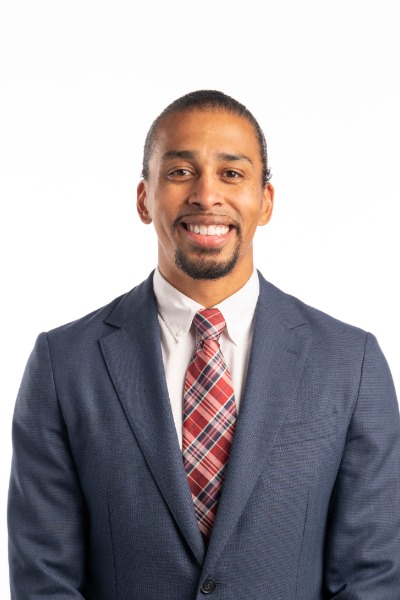
Joshua Ellis, MD, MPH
University of Arkansas for Medical Sciences
Dr. Joshua Ellis is a faculty physician in Emergency Medicine at University of Arkansas for Medical Sciences (UAMS). He graduated from Howard University College of Medicine and completed his residency at the Mayo Clinic, where he was the recipient of the Golden Stethoscope Resident/Fellow Educator of the Year and also the Gold Humanism Award. He then went on to complete a Masters in public health at the Harvard T.H. Chan School of Public Health and his education fellowship at Harvard Medical School and BIDMC.
He now serves as the Clerkship Director for the EM Clerkship at UAMS and also as the Chair of the LGBTQ+ subcommittee of ADIEM at SAEM. His other work has focused on improving diversity within higher medical education, and he has published twice in New England Journal of Medicine as well as being awarded the Harvard Medical School Harold Amos Faculty Diversity Award. He currently also is the clinical director of Project Heal, a Hospital Based Violence Intervention Program aimed at decreasing recidivism in.