Blueprints for Green Teams: A Prescription for a Better Tomorrow (Climate Change and Health Interest Group-Sponsored)
Climate change is the most pressing humanitarian threat of our time, with emergency medicine (EM) physicians on the frontlines. Emergency departments (EDs) are seeing a rise in climate-related complaints, while healthcare contributes to 9% of global carbon emissions. In this session, expert EM physicians will guide you through creating an Emergency Medicine Green Team and implementing sustainable practices like reducing waste, cutting harmful gas use, and adopting green packaging. Attendees will hear from various institutions, share insights, and walk away with practical solutions and a toolkit to drive meaningful sustainability changes in their own EDs.
Learning Objectives:
- Understand how climate change is related to emergency medicine
- Describe climate action initiatives amenable to emergency care
- Create a tool-kit for developing an EM Green Team
- Implement healthcare sustainability initiatives within their institutions
Presenters:
- Alyssa Valentyne, MD
- Mallory G. Davis, MD, MPH
- Kaitlin Rose, MD
- Matthew Strehlow, MD
- James Marvel, MD
-
Alyssa Valentyne, MD
University of Michigan
Alyssa Valentyne is a chief resident at the University of Michigan. She is also chair of the SAEM Climate Change and Health Interest Group. Alyssa is passionate about healthcare sustainability and how climate change impacts health. She helps lead the EM Green Team and assisted in developing a Climate Health & Sustainability Professional Development Track at the University of Michigan. She also helps lead the medical student wilderness medicine elective and is working towards her Fellowship in the Academy of Wilderness Medicine (FAWM). Alyssa earned her medical degree, path of distinction in public health, and global health certificate from the University of Wisconsin School of Medicine and Public Health.
-
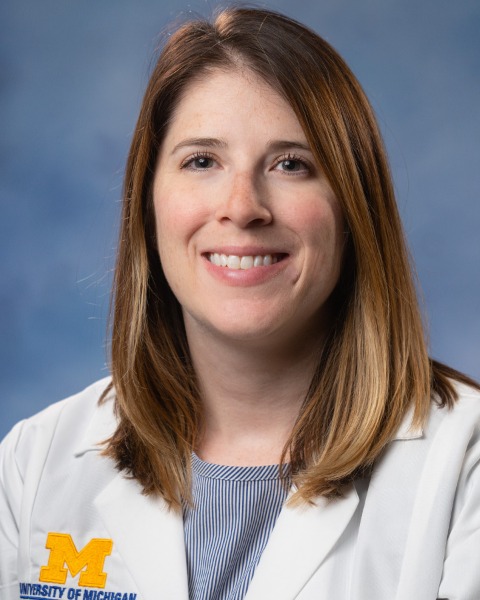
Mallory G. Davis, MD, MPH
University of Michigan
Dr. Davis is an assistant professor at University of Michigan. She is an assistant clerkship director, assistant program director, and course director of the EM residency preparation course. She has a Master's in Public Health with a focus on environmental health policy and is in charge of the University of Michigan Emergency Department Green Team.
-
Kaitlin Rose, MD
University of Michigan
Kaitlin Rose is currently an Emergency Medicine Resident at the University of Michigan. She had earned her medical degree at Central Michigan University College of Medicine. She is a founder of the ED Green Team at University of Michigan Medicine as well as founded the Climate Change & Health Track for resident physicians.
-
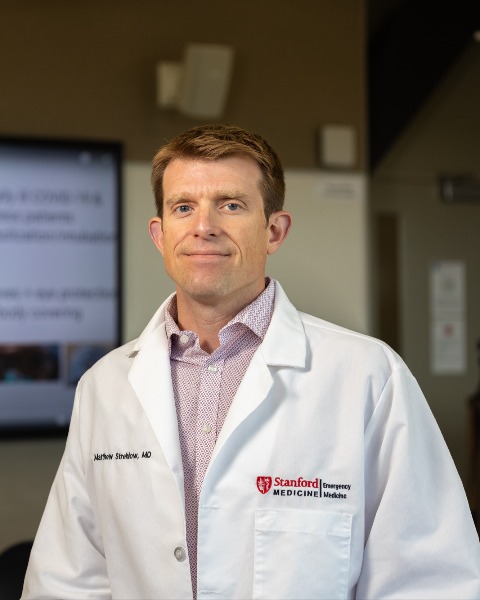
Matthew Strehlow, MD
Stanford University
Dr. Matthew Strehlow is a Professor of Emergency Medicine at Stanford University and currently serves as the Executive Vice Chair of the Department of Emergency Medicine. He is a Fellow at the Stanford Center for Innovation in Global Health and serves as Director of Stanford’s WHO Collaborating Center on Learning During Health Emergencies. He also advises Stanford’s Digital Medic initiative and contributes to Stanford Health Care’s Sustainability Steering Committee, where he collaborates across campus to advance the university’s mission of improving health, sustainability, and education worldwide. Dr. Strehlow has played a key role in in-service training of healthcare workers, partnering with OpenWHO to research effective strategies for information dissemination during health emergencies. A recognized educator nationally and internationally, his work focuses on emergency care in low-resource settings, knowledge transfer to remote and rural locations, and the intersection of human and planetary health.
-
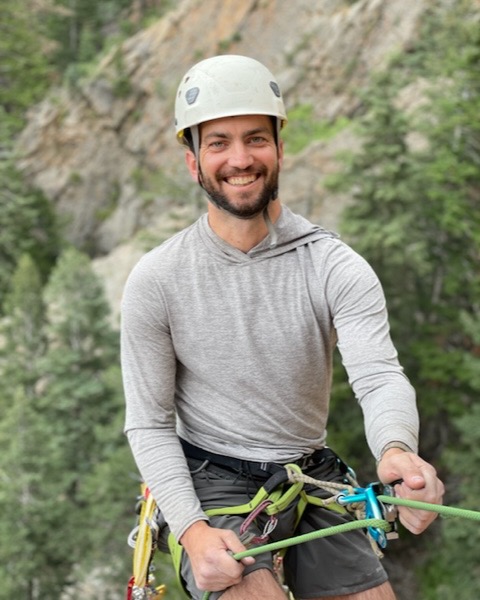
James Marvel, MD
Stanford University
Dr. James Marvel is an Emergency Medicine Physician in the Stanford University Department of Emergency Medicine. He completed his residency training in 2019 at LAC+USC Medical Center in Los Angeles, CA. After residency, Dr. Marvel was accepted to the Wilderness Medicine Fellowship at Stanford University. He used this fellowship year to further his understanding of human performance in extreme environments, completing an RCT evaluating medication dosing for altitude illness and serving as medical staff and researcher for a desert ultramarathon. During his fellowship Dr. Marvel gained a deep appreciation for the ways climate variables can impact human performance and overall health. He stayed on as faculty in the Stanford University Emergency Department, where he has turned his focus towards understanding the impacts of climate change on human health. He has co-directed a course on the topic for Stanford Undergraduates and medical students for the past 2 years, and recently formed an ED Green Team, which he co-leads with one of the department's nurse managers. Dr. Marvel has been an active member of the SAEM Climate Change and Human Health Interest Group, and is excited to continue to explore ways to blend his passion for wilderness medicine with studying climate change's impacts on health.