Beyond ChatGPT: Next Generation AI Technologies
Artificial intelligence (AI) is revolutionizing emergency medicine, offering tools to elevate clinical practice. During this webinar, the speakers introduce four groundbreaking AI technologies - agentic systems, advanced language models, multimodal AI, and retrieval augmented generation (RAG) - that are set to transform patient care. Learn how AI can assist in complex triage, detect sepsis earlier, and provide real-time access to tailored research. Additionally, the speakers address ethical considerations, integration challenges, and the future of AI in the emergency department. Whether you're a novice or a data enthusiast, leave with actionable strategies to enhance your practice, research, and teaching.
Learning Objective: Upon completion of this webinar, learners should be able to implement AI technologies and use them to enhance decision-making in clinical practice, research, and teaching.
Planners, Faculty, and Moderator
- Carl Preiksaitis, MD, MEd - planner and faculty
- Joshua Joseph, MD, MS, MBE - faculty
- Christian Rose, MD - faculty
- Moira Smith, MD, MPH - faculty
- Andrew Taylor, MD, MHS - faculty
- Jeff Druck, MD - planner/course director and moderator
Who Should Attend?
You should attend this webinar if you are a physician, resident, fellow, researcher, medical student, or educator with an interest in this topic.
Disclosures
None of the faculty, planners, course director, and SAEM CME staff for this educational activity have relevant financial relationship(s) to disclose with ineligible companies whose primary business is producing, marketing, selling, re-selling, or distributing healthcare products used by or on patients, except the faculty listed below.
Andrew Taylor, MD, MHS - Beckman Coulter (Grant/Research)-relationship ended; Vera Health (Advisor)
SAEM adheres to the ACCME Standards for Integrity and Independence in Accredited Continuing Education. Any individuals in a position to control the content of a CME activity are required to disclose all financial relationships with ineligible companies (commercial interests). All relevant financial relationships of those in control of educational content, including planners, presenters, staff, and others, have been mitigated.
-
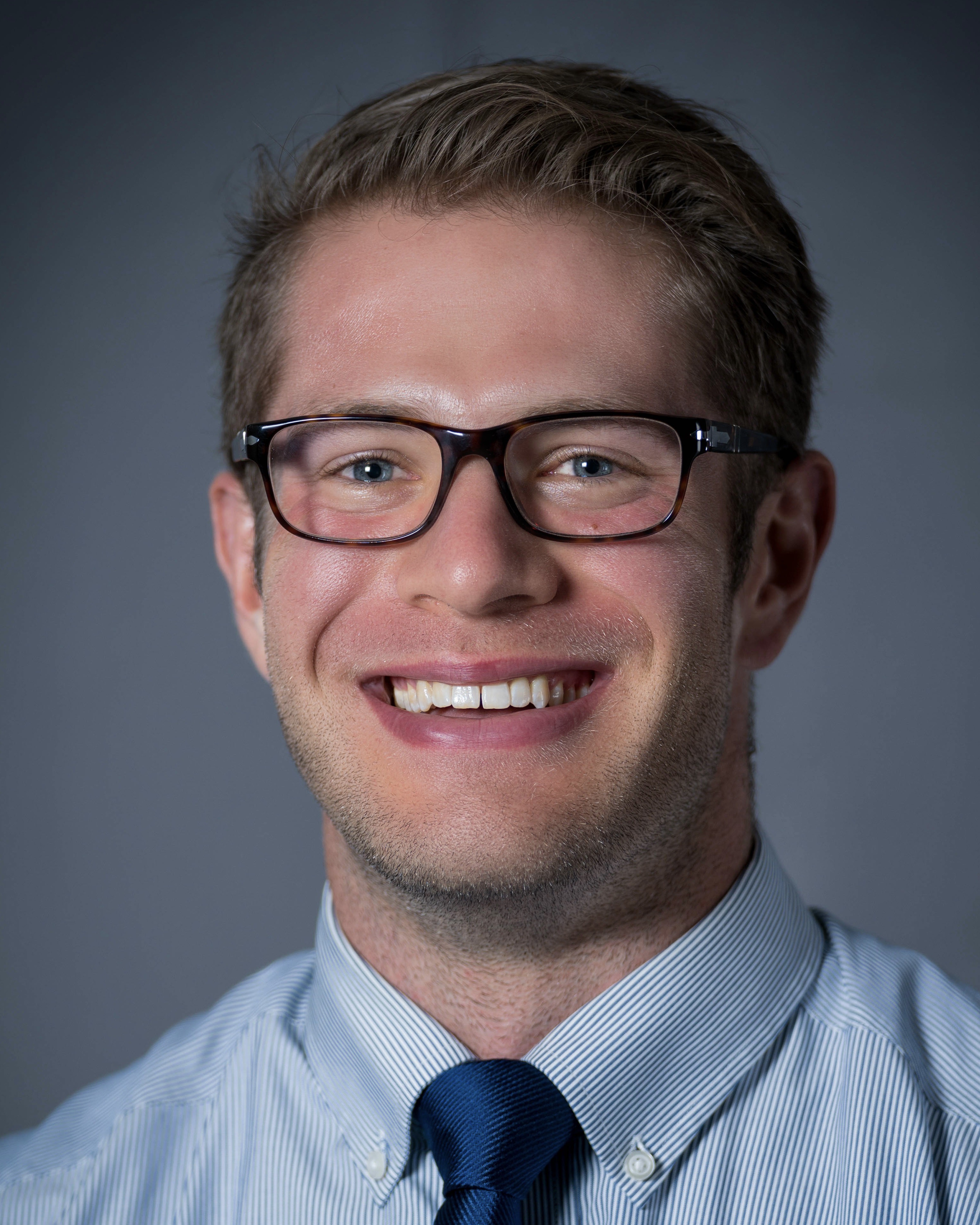
Carl Preiksaitis, MD
Clinical Instructor
Stanford University
Dr. Carl Preiksaitis is a Medical Education Fellow and Clinical Instructor in the Department of Emergency Medicine at Stanford University. Dr. Preiksaitis completed his medical training at New York University School of Medicine and a residency in emergency medicine at Stanford. His scholarly interests include digital technology and medical education, reproductive healthcare in the emergency department, and healthcare innovation. He is currently pursuing a master’s degree in medical education at the University of Cincinnati.
-
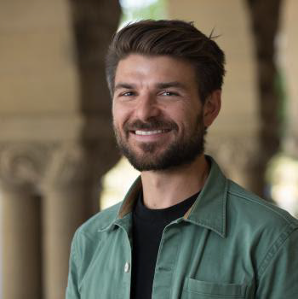
Christian Rose, MD
Assistant Professor Department of Emergency Medicine
Stanford University School of Medicine
Dr. Christian Rose is an Assistant Professor of Emergency Medicine at Stanford University. As a dual-boarded emergency physician and clinical informaticist, he operates at the intersection of clinical medicine, informatics, and innovation. He began to study the effect of technology on medicine during his undergraduate years, obtaining his degree in Physics as well as Science, Technology, and Society. He continued this pursuit in medical school at Columbia University and residency at the University of California, San Francisco (UCSF), where he engaged in various human-centered informatics projects like gene discovery, decision support, and alert fatigue. He completed his informatics fellowship training at Stanford University, where he began his research in deep learning and AI. Dr. Rose strives to improve both patient and physician experiences in medicine, focusing on how information technologies can enhance clinical practice and patient outcomes without losing sight of the essential human aspects of healthcare.
-
Andrew Taylor, MD, MHS
Yale School of Medicine
I am a physician scientist, AI researcher, Professor, and Vice Chair of Research and Innovation of within the Department of Emergency Medicine at the University of Virginia. My research group is dedicated to advancing the field of AI in Medicine through a unique cross-disciplinary approach focused on harmoniously blending AI with healthcare delivery. We bring together experts in design, cognitive science, behavioral economics, artificial intelligence, implementation science, ethics/philosophy, and decision theory to develop innovative AI solutions that are not only technically robust but also ethically informed and practically implementable. By bridging the gap between diverse fields of study, we aim to create AI technologies that are deeply attuned to the complexities of healthcare, focusing on patient-centered outcomes and transformative healthcare solutions. My goal is to lead the way in interdisciplinary AI research, fostering a new era of healthcare innovation that is inclusive, effective, and profoundly impactful.
-
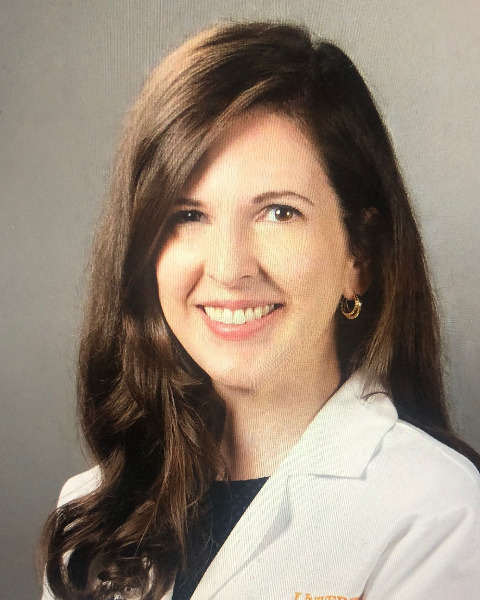
Moira E. Smith, MD, MPH
University of Virginia
Moira Smith, MD, MPH, is an Assistant Professor in the Department of Emergency Medicine, Director of Digital Clinical Workflows, and Assistant Emergency Medicine Informatics Director at the University of Virginia. She completed her emergency medicine residency and clinical informatics fellowship at the University of Virginia. Her work focuses on data analytics and reporting, quality improvement, electronic health record usability and workflow optimization, and clinical decision support. She is the current Chair Elect of the SAEM Informatics, Data Science, and Artificial Intelligence Interest Group. -
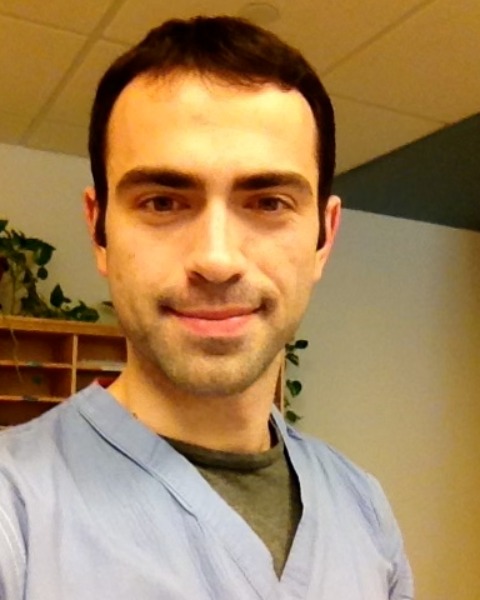
Joshua W. Joseph, MD, MS, MBE
Harvard Medical School/Brigham and Women's Hospital
Dr. Joshua W. Joseph is an Emergency Physician and Clinical Informaticist at Brigham and Women's Hospital and an assistant professor of Emergency Medicine at Harvard Medical School. I currently serve as the medical director for data analytics for the Mass General Brigham Emergency Medicine network. My research examines the intersection of patient throughput, clinical decision-making, and quality, through the lens of machine-learning techniques. This research encompasses how the decisions of individual physicians on-shift affect throughput in the department and hospital as a whole, and how physicians and nurses can help to mitigate structural inequalities in the delivery of care. -
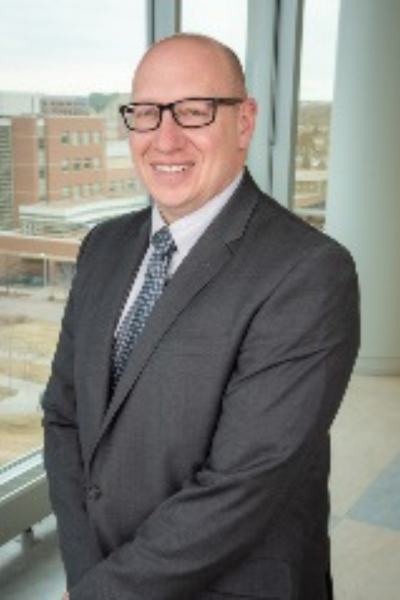
Jeffrey Druck, MD
Vice Chair of Faculty Advancement, Transformation, and Wellbeing for Emergency Medicine
The University of Utah
Dr. Druck is an emergency physician who focuses on treatment of emergent conditions at University Hospital. He is a member of the teaching faculty at the University and educates resident physicians and medical students.
His interests include mentorship, wellbeing, diversity, equity and inclusion (DEI), medical education, and the intersection of education and clinical care. He has been involved in medical education at the undergraduate level, graduate level, and CME level. From a DEI perspective, he has been involved in DEI efforts on an undergraduate, graduate, and national level.