Best Practices for Inclusive Messaging: What Should Leaders Say in Times of Crises?
In this AACEM and ADIEM co-sponsored webinar, watch our panelists as they share various strategies for inclusive messaging and discuss anticipatory challenges when messaging during high stakes.
Panelists:
- Katrina Gipson, MD, MPH, Emory University
- Edgardo Ordonez, MD, Baylor College of Medicine
- Al'ai Alvarez, MD, Stanford University
- Kamna Balhara, MD, Johns Hopkins University
-

Katrina Gipson, MD, MPH, FACEP
Assistant Professor
Emory University School of Medicine
Dr. Gipson is an assistant professor of emergency medicine at Emory, practices clinically at Grady Memorial Hospital, and is the founding health policy fellowship director for her department. She is president of ADIEM (2024-25) and served as co-chair of the education subcommittee of the equity & inclusion committee of SAEM. She recently completed a term as the National Medical Association (NMA) Emergency Medicine Section Secretary. Dr. Gipson’s OpEds discussing health equity and advocacy have been published in The Boston Globe, The Hill, The Progressive, and she’s been quoted in The New York Times. She is an avid public speaker having collaborated with the African American Policy Forum as a Critical Race Theory Summer School lecturer, Spencer Stuart’s Black History Month Speaker, Texas Speech-Language Hearing Association (TSHA) keynote speaker, SiriusXM's Urban View podcast guest, and many others. Dr. Gipson is a participant in the AAMC’s 2025 Healthcare Executive Diversity and Inclusion Certificate (HEDIC) Program and is an emerging health equity thought leader.
-
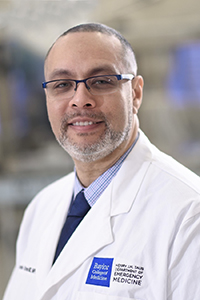
Edgardo Ordonez
Immediate Past President
Dr. Ordonez received his medical and public health degrees from the UMDNJ- New Jersey Medical School and School of Public Health. He then completed a combined emergency medicine and internal medicine residency at Christiana Care in Newark, Delaware. After completion of residency, Dr. Ordonez obtained an academic appointment at Baylor College of Medicine (BCM) in Houston, TX, where he has been in practice for 7 years. He currently practices both emergency medicine and internal medicine and has several leadership roles within the college and health system. He is an assistant program director of the BCM EM residency, Medical Director of Utilization Management at Ben Taub Hospital, and is on the BCM Admissions Committee. His interests include diversity, inclusion, equity, & social justice, healthcare delivery, social determinants of health, and mentorship. -
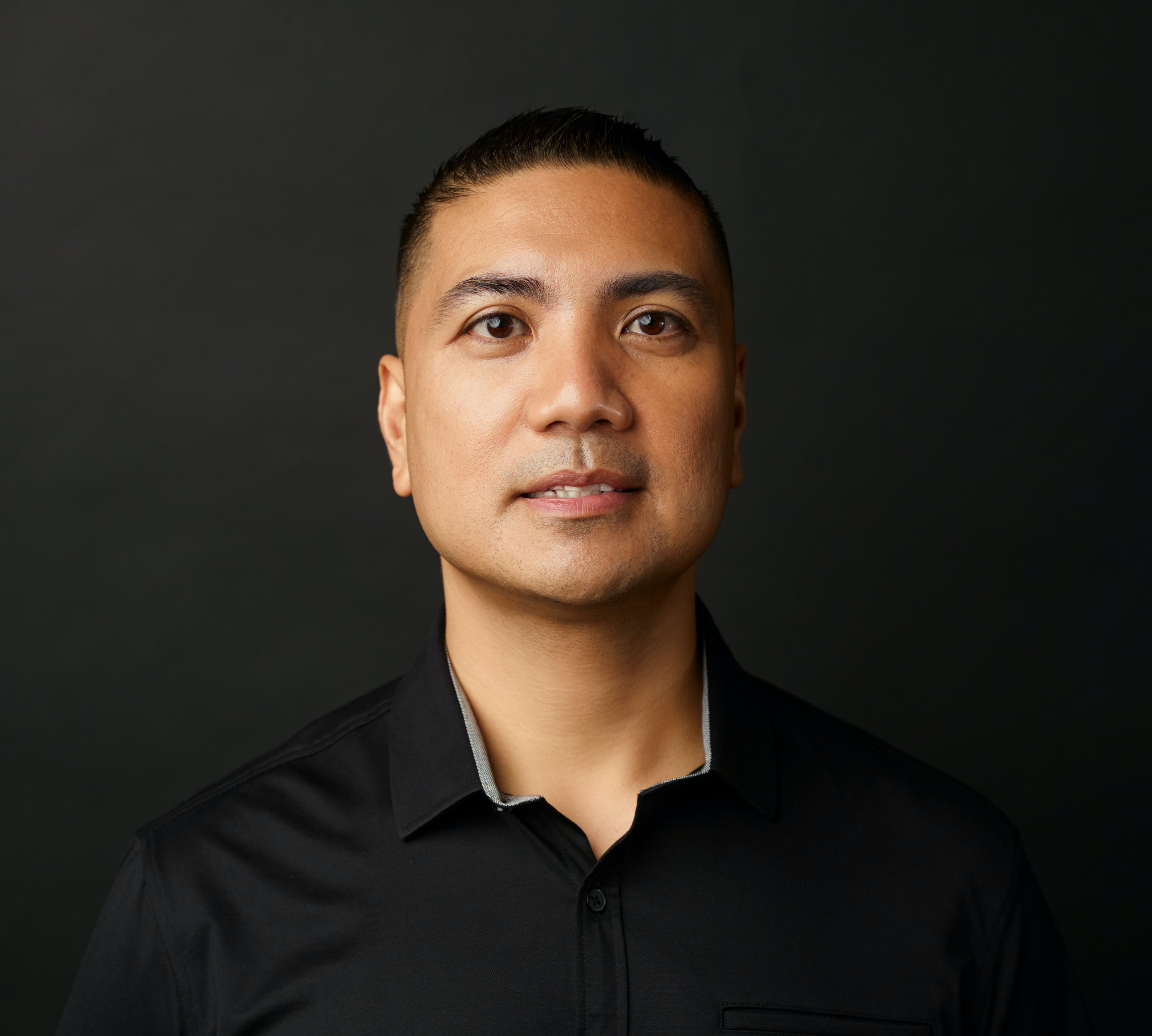
Al'ai Alvarez, MD
SAEM Nominating Committee Member
Stanford Emergency Medicine
My long-term interest is to study the intersection of Medical Education, Process Improvement (Quality and Clinical Operations), Representation (Diversity), and Well-being (Inclusion/Belonging) through human-centered design. My academic and professional experience has provided me with an excellent background in understanding the drivers for professional fulfillment in medicine and its interplay on efficiencies of care, the culture of wellness, and personal resilience, as highlighted by Stanford WellMD’s Professional Fulfillment Model. Specifically, my work investigates the role of self-compassion and resilience in promoting belongingness and overcoming isolation and loneliness in medicine exacerbated by experiences of medical harm, vicarious trauma, implicit bias, microaggressions, and imposter phenomenon.
I graduated from the faculty fellowship at the Stanford Byers Center for Biodesign, where I explored the role of mindfulness in resuscitations. Furthermore, I co-directed and organized the inaugural High-Performance Resuscitation Teams Summit in May 2022 in Chicago, IL, in collaboration with Mayo Clinic and the Mission Critical Teams Institute, to understand commonalities among high-performing teams in healthcare, aerospace, sports, military, special operations, and fire rescue.
As an attending EM physician, I served as the Assistant Medical Director on Quality Education and Clinical Operations at the Santa Clara Valley Medical Center Emergency Department (ED), the busiest ED in Northern California. This role offered me direct insight into drivers of burnout through inefficiencies in clinical practice and the need for a culture of wellness, especially in quality improvement and peer review. As an Associate Residency Program Director at the Stanford Emergency Medicine Residency Program (2015-2021), I led initiatives to enhance personal resilience while advocating for improving the clinical and learning environment to improve well-being and professional fulfillment.
Currently, I am the Director of Well-Being and co-chair of the Human Potential Team at Stanford Emergency Medicine. I also serve as the Stanford EM Physician Wellness Fellowship Director. As the chair of the Stanford WellMD Physician Wellness Forum, I lead monthly discussions to understand how better to optimize clinical practice environments to improve well-being and professional work-life balance.
As Chair of the SAEM Wellness Committee (2022- ), we are spearheading the “October is #StopTheStigmaEM month,” which has been the most extensive campaign for SAEM, mobilizing national organizations in EM and leveraging social media to increase awareness and support efforts to humanize physicians, prioritize mental health, and normalize receiving mental health support.
Given my disparate physician leadership and clinical experience, I offer a unique and valuable perspective in serving on the Nominations Committee. I aim to continue fostering collaboration, empowerment, and self-compassion in academic emergency medicine's learning and work environment. This includes finding ways to recognize the work of academic EM physicians and EM bound trainees. -
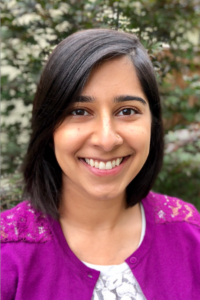
Kamna S. Balhara, MD, MA, FACEP
Associate Professor of Emergency Medicine
Johns Hopkins University
Dr. Kamna Balhara is an associate professor of emergency medicine (EM) at the Johns Hopkins University School of Medicine, and holds a dual appointment as associate professor in Medicine, Science, and the Humanities at the Johns Hopkins Zanvyl Krieger School of Arts and Sciences. After obtaining a master’s degree in French Cultural Studies from Columbia University, she completed medical school and residency at Johns Hopkins, serving as chief resident. She served in residency program leadership at the University of Texas San Antonio and subsequently at Johns Hopkins.
Dr. Balhara is an innovator in the health humanities and has experience with implementing humanities curricula for medical students, residents, and faculty from across specialties. She is a founder and co-director of the Health Humanities at Hopkins EM initiative, which offers equity-focused and humanities-based programming to institution, community, and national audiences. She also directs a unique longitudinal interdisciplinary institution-wide health equity and humanities track for residents and fellows across Johns Hopkins, and directs the Health Humanities Fellowship. She has been invited to speak to international audiences on the humanities in medicine and was selected as a Harvard Macy Institute Art Museum-Based Health Professions Education Fellow.
Her scholarly interests revolve around equity and inclusion in clinical and learning environments. She has authored multiple publications on graduate medical education, humanities, social determinants of health, and disparities in health care access, and has developed tools and resources for other educators seeking to apply the humanities towards equity in health care and health professions education. Her work has been funded by the Association of American Medical Colleges (AAMC), the Josiah Macy Foundation, the National Endowment for the Humanities, and the Emergency Medicine Foundation. She serves on the steering committee for the National Health Humanities Consortium, and is a member of the editorial board of the SAEM journal Academic Emergency Medicine.