Behind the Scenes of Academic Emergency Medicine: What it Really Means to Work in Academia
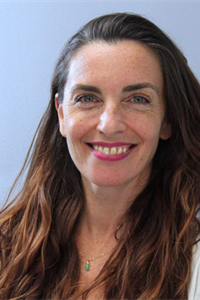
Join us for this candid conversation with Dr. Andra Blomkalns, chair of the Department of Emergency Medicine at Stanford University. This webinar demystifies the world of academic emergency medicine, exploring what daily life, expectations, and career progression look like compared to community practice. Learn about academic hierarchies, teaching and research obligations, promotion pathways, and how to determine if academia is the right fit for you. Ideal for medical students and residents considering an academic career, this session offers invaluable insights and practical advice to guide your future in emergency medicine.
-

Richard A. Taylor, MD, MHS
Vice Chair, Research and Innovation
UVA Health
Richard Andrew Taylor, MD, MHS, is an international leader in digital health and artificial intelligence (AI), specializing in the integration of emerging technologies into clinical practice. His research spans interdisciplinary domains, addressing not only the technical aspects of AI-driven clinical decision support but also the ethical, social, and implementation challenges that shape the future of digital health. At UVA, he aims to build collaborative initiatives that bridge medicine, data science, and policy to drive responsible and impactful innovation in emergency care and beyond. -
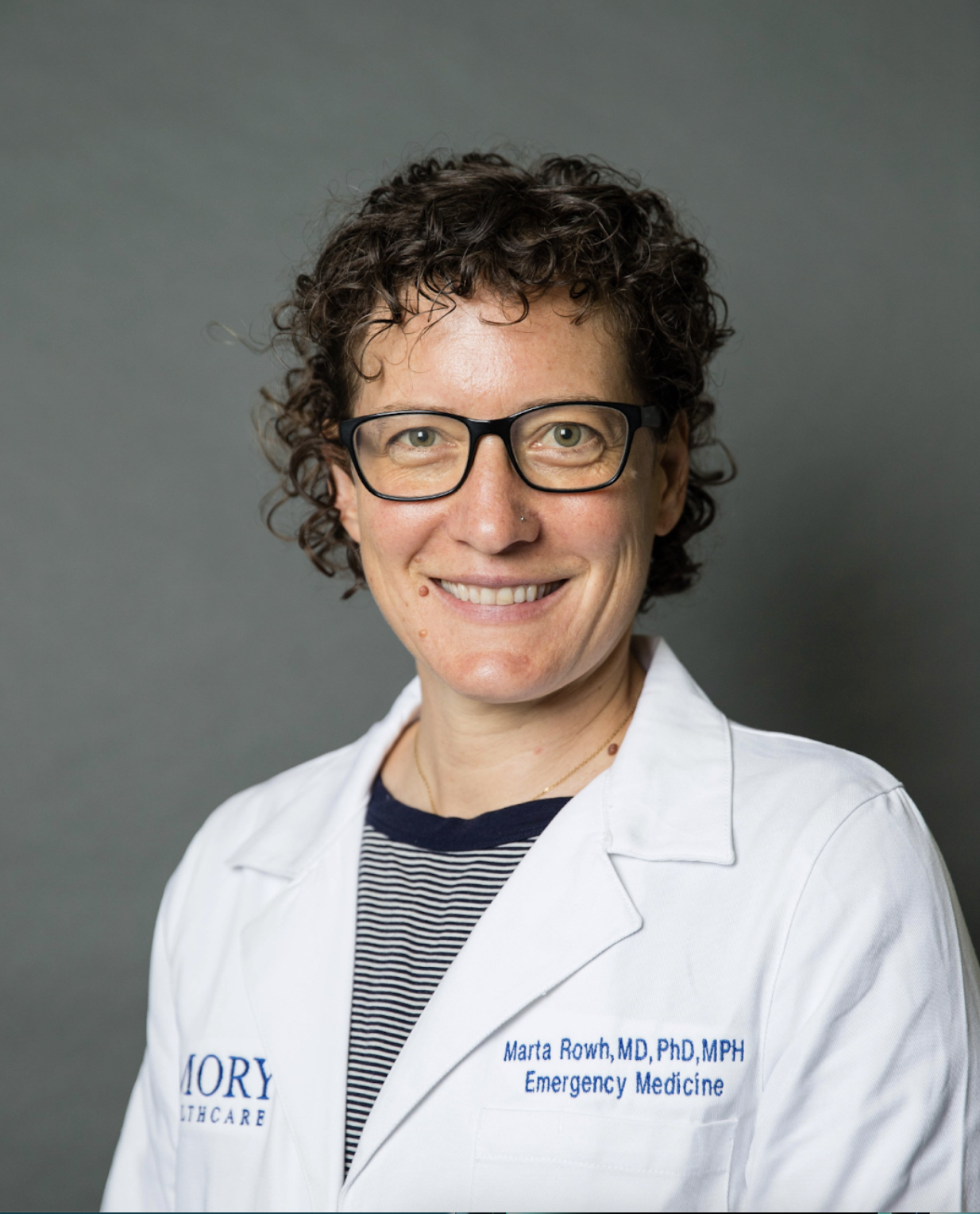
Marta Rowh, MD, PhD
Assistant Professor, Emergency Medicine
Emory University
Marta Rowh, MD, PhD, is an assistant professor of emergency medicine (EM) at Emory University and a leading researcher on artificial intelligence (AI) applications in medical education. Her research utilizes Natural Language Processing (NLP) algorithms to analyze how medical education materials represent social demographics and incorporate diverse patient populations in case-based learning. As the 2025 recipient of the SAEM Education grant, she is leading an initiative to apply AI-driven analysis to large volumes of curricular content, identifying demographic underrepresentation that may reinforce health inequities. This research seeks to provide educators with scalable tools to systematically assess and revise curricula to promote more equitable demographic representation.