Be the Best Teacher: Clinical Teaching Educational Bootcamp
Learning Objectives:
- Employ evidence-based Teaching Principles
- Improve your clinical teaching using new techniques
- Improve your didactic lectures using active learning tools
- Learn techniques to run interactive small groups
Presenters:
- Al'ai Alvarez, MD
- Stephen John Cico, MD, MEd
- Sarah R. Williams, MD, MHPE, PCC, BCC
- Jason Wagner, MD
- Susan B. Promes, MD, MBA
- Robin R. Hemphill, MD, MPH
- Jazmyn Shaw, MD
- Simanjit K. Mand, MD
- Benjamin H. Schnapp, MD, MEd
- Carrie A. Bailes, MD
-
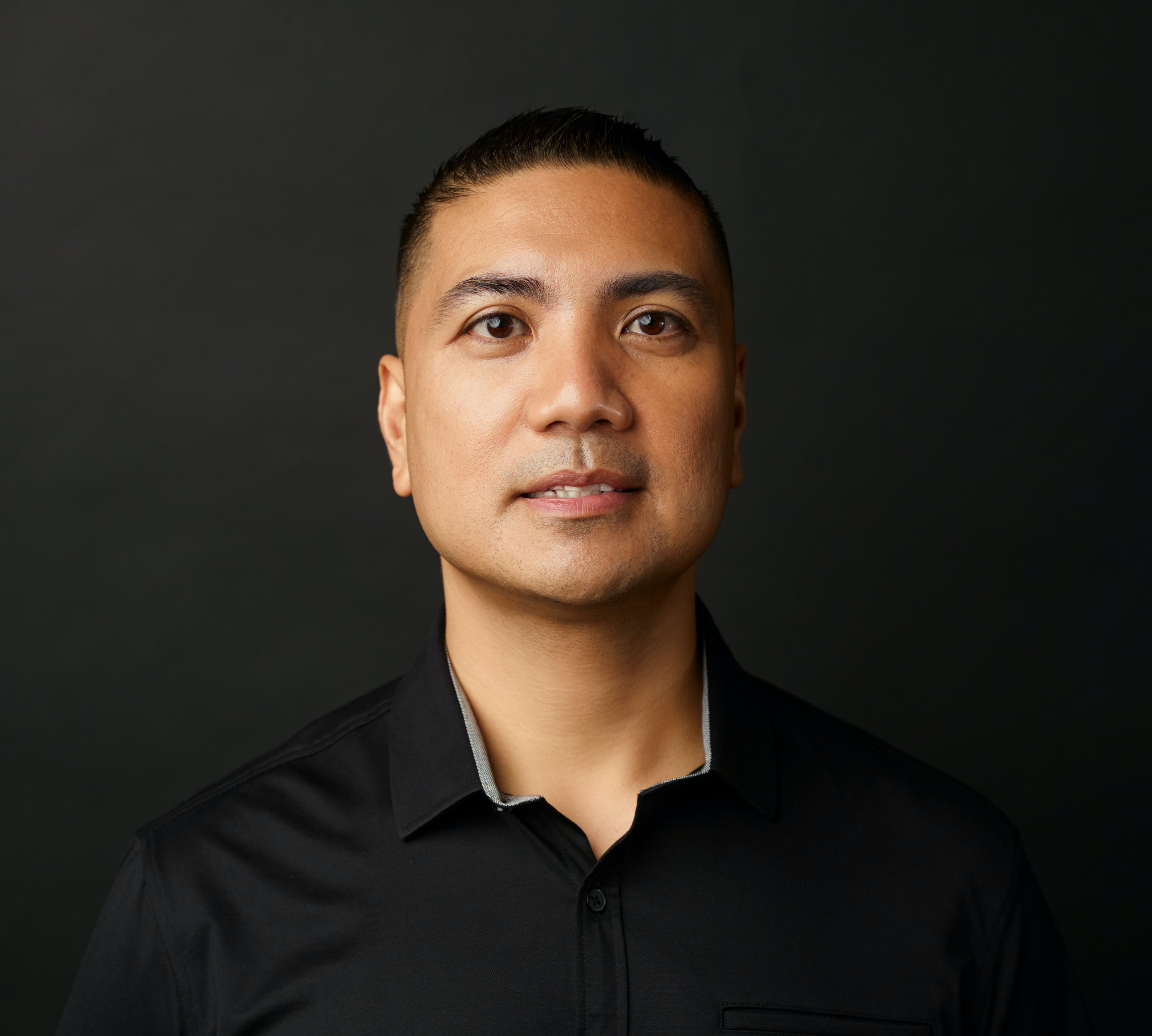
Al'ai Alvarez, MD
SAEM Nominating Committee Member
Stanford Emergency Medicine
My long-term interest is to study the intersection of Medical Education, Process Improvement (Quality and Clinical Operations), Representation (Diversity), and Well-being (Inclusion/Belonging) through human-centered design. My academic and professional experience has provided me with an excellent background in understanding the drivers for professional fulfillment in medicine and its interplay on efficiencies of care, the culture of wellness, and personal resilience, as highlighted by Stanford WellMD’s Professional Fulfillment Model. Specifically, my work investigates the role of self-compassion and resilience in promoting belongingness and overcoming isolation and loneliness in medicine exacerbated by experiences of medical harm, vicarious trauma, implicit bias, microaggressions, and imposter phenomenon.
I graduated from the faculty fellowship at the Stanford Byers Center for Biodesign, where I explored the role of mindfulness in resuscitations. Furthermore, I co-directed and organized the inaugural High-Performance Resuscitation Teams Summit in May 2022 in Chicago, IL, in collaboration with Mayo Clinic and the Mission Critical Teams Institute, to understand commonalities among high-performing teams in healthcare, aerospace, sports, military, special operations, and fire rescue.
As an attending EM physician, I served as the Assistant Medical Director on Quality Education and Clinical Operations at the Santa Clara Valley Medical Center Emergency Department (ED), the busiest ED in Northern California. This role offered me direct insight into drivers of burnout through inefficiencies in clinical practice and the need for a culture of wellness, especially in quality improvement and peer review. As an Associate Residency Program Director at the Stanford Emergency Medicine Residency Program (2015-2021), I led initiatives to enhance personal resilience while advocating for improving the clinical and learning environment to improve well-being and professional fulfillment.
Currently, I am the Director of Well-Being and co-chair of the Human Potential Team at Stanford Emergency Medicine. I also serve as the Stanford EM Physician Wellness Fellowship Director. As the chair of the Stanford WellMD Physician Wellness Forum, I lead monthly discussions to understand how better to optimize clinical practice environments to improve well-being and professional work-life balance.
As Chair of the SAEM Wellness Committee (2022- ), we are spearheading the “October is #StopTheStigmaEM month,” which has been the most extensive campaign for SAEM, mobilizing national organizations in EM and leveraging social media to increase awareness and support efforts to humanize physicians, prioritize mental health, and normalize receiving mental health support.
Given my disparate physician leadership and clinical experience, I offer a unique and valuable perspective in serving on the Nominations Committee. I aim to continue fostering collaboration, empowerment, and self-compassion in academic emergency medicine's learning and work environment. This includes finding ways to recognize the work of academic EM physicians and EM bound trainees. -
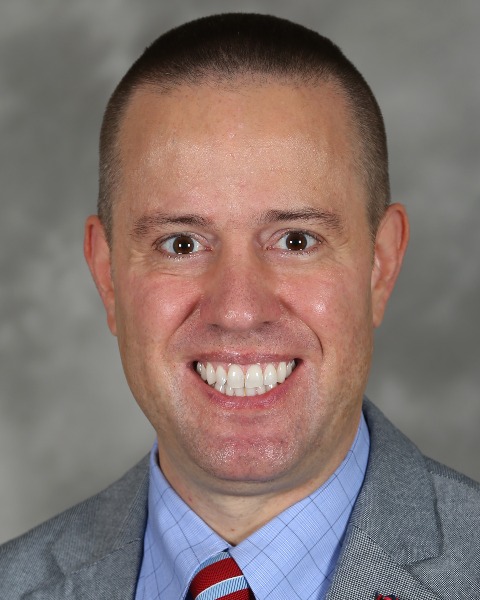
Stephen John Cico, MD, MEd
University of Central Florida College of Medicine
Dr. Stephen Cico was recruited to lead the UCF-HCA Healthcare GME Consortium as the ACGME Designated Institutional Official (DIO), Associate Dean for Graduate Medical Education, and Professor of Emergency Medicine and Pediatrics. Dr. Cico is a recognized leader in medical education and has published widely and presented both nationally and internationally on medical education topics, including effective didactic and clinical teaching strategies, publishing in the medical education literature, what it means to maintain knowledge and procedural competency throughout a physician’s career, and mentoring. Dr. Cico is the pediatric section editor of a textbook, Atlas of Clinical Emergency Medicine, as well as a contributing author to several other emergency medicine textbooks. He is a Founding Decision Editor for Academic Emergency Medicine Education & Training, the Society of Academic Emergency Medicine’s education journal and reviews for numerous other emergency medicine and medical education journals.
-
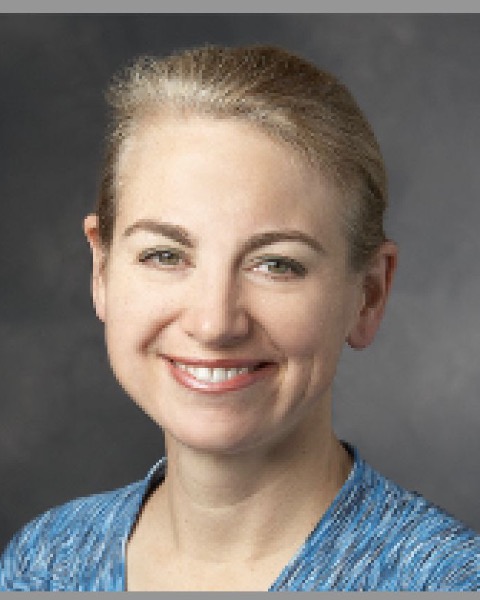
Sarah R. Williams, MD, MHPE, ACC
Stanford University
Sarah R. Williams, MD, MHPE, PCC is a Clinical Professor of Emergency Medicine. She is also a professional certifed coach. Dr. Williams leads the Stanford Coaching Office: Advancing Coaching in Healthcare and Medical Education ("COACHME@Stanford", https://med.stanford.edu/content/sm/coachme.html.) and the Stanford Health Professions Education and Scholarship Program ("SHaPES", https://med.stanford.edu/academy/programs/CTSS_Schedule.html), our interdepartmental medical education certificate program. She has also been a residency and fellowship program director. Her goals are to 1) democratize the availability of quality coaching in medical education; and 2) provide educators with the skills they need for a successful and fulfilling career in medical education.
-
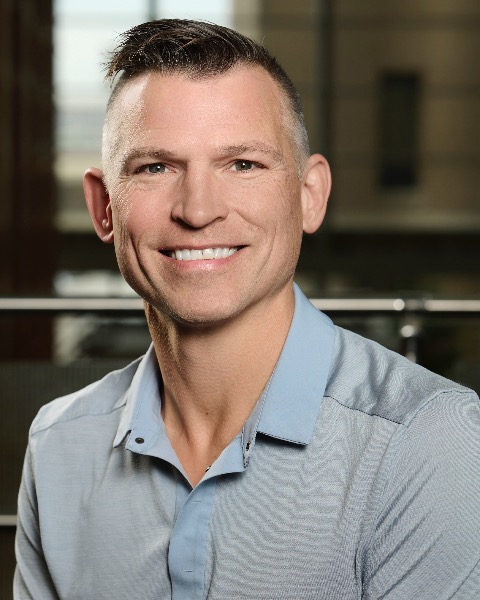
Jason Wagner, MD
Washington University School of Medicine
During his 20-plus years at Washington University in St. Louis, Dr. wagner has been an innovator, continuously striving to enhance the experiences and education of those around him. He was the Director of Simulation for 10 years, coinciding with 10 years as a nocturnist before becoming a Residency APD for four years. This was followed by a decade as the Residency Program Director, ushering in an era of change for the program restructuring, not only the conference curriculum from top to bottom, but also the clinical rotations across all four years of residency. Dr. wagner continues to push the boundaries of education through the integration of Cognitive Load Theory, Behavioral Economics, and Story Telling as the Vice Chair for Education at Washington University in St. Louis.
-

Susan B. Promes, MD, MBA
Penn State University
Dr. Promes is a tenured Professor at Penn State University Milton S. Hershey Medical Center and has served as Chair of the Department of Emergency Medicine since 2014. Prior to 2014, she spent seven years at the University of California San Francisco where she served as Vice Chair for Education, the Emergency Medicine Residency Program Director and Director of Curricular Affairs in the GME office and prior to that was at Duke University as the inaugural Emergency Medicine Residency Program Director and Director of the medical school Capstone course. Her scholarly work has centered around topics germane to emergency medicine medical education and clinical guidelines for the practicing emergency physician. In addition to many peer review publications, she has edited multiple McGraw Hill board review books to prepare physicians for the emergency medicine board exam. She is an internationally recognized leader in academic emergency medicine and was chosen by the Society of Academic Emergency Medicine to be the editor of their new journal entitled Academic Emergency Medicine Education and Training. The journal debuted in January 2017. She was the recipient of the 2020 Hal Jayne Excellence in Education award from the Society of Academic Emergency Medicine and the 2024 Judith E. Tintinalli Outstanding Contribution in Education Award.
-
Robin R. Hemphill, MD, MPH
United States Department of Veterans Affairs
Dr. Robin Hemphill is a graduate of George Washington University Medical School. She completed an Internship in Internal Medicine followed by Emergency Medicine at the Joint Military Medical Centers in San Antonio, TX. After residency she was on active duty at Brooke Army Medical Center as an Attending Physician. Followed by positions in academics as well as governmental positions at national and regional levels. Her focus is on Quality and Safety in healthcare.
In 2020 She was recruited to become the Chief of Staff of the Cincinnati Veterans Affairs Health System. -
.jpg?sfvrsn=d57f9080_1 "cropWIIZFPXI-Presenter-ShawJ(2)")
Jazmyn Shaw, MD
University of Cincinnati
Jazmyn Shaw, MD is currently a Chief Resident at the University of Cincinnati. After graduating, she will pursue an ultrasound fellowship and a Master's in Business Administration. Jazmyn’s professional interests include ultrasound, healthcare administration and operations, with a particular focus on quality improvement, as well as medical education. She is dedicated to integrating clinical excellence with operational efficiency to improve healthcare delivery and medical training.
-
Simanjit Mand
University of Wisconsin-Madison, School of Medicine and Public Health
Simanjit K. Mand is an Assistant Professor in the Department of Emergency Medicine at the University of Wisconsin-Madison, School of Medicine and Public Health. She is currently the Director of Resident Coaching and Assistant Director for the AEMUS Fellowship, and has previously held the role of Assistant Residency Program Director. -

Benjamin H. Schnapp, MD, MEd
University of Wisconsin
Dr. Benjamin Schnapp graduated from the Mount Sinai Hospital emergency medicine residency program in New York City, where he completed a specialty track in medical education and served as chief resident. He completed his medical education fellowship at Northwestern University and is pursuing a master's in education with a focus on health professions at the University of Cincinnati. His interests include clinical teaching skills, resident assessment, and decision-making. He serves on the SAEM Graduate Medical Education and Fellowship Approval committees.
-
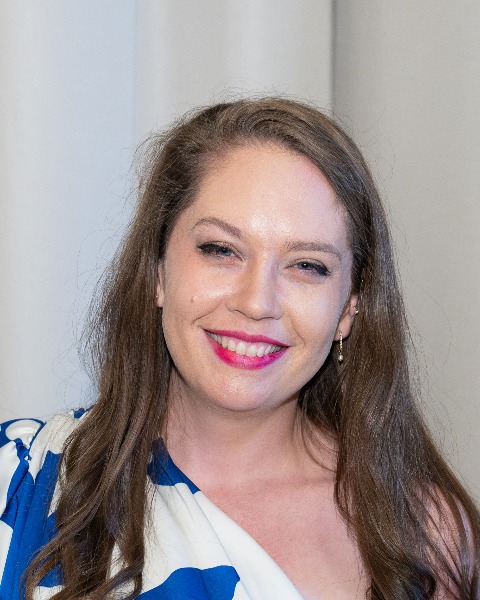
Carrie A. Bailes, MD
University of Michigan
Carrie Bailes is a first year education fellow and clinical instructor at the University of Michigan. She is involved with graduate medical education as an assistant program director for the emergency medicine residency. Her research interest include bedside procedural education, feedback and clinical decision making.