Before You Break: The Role of Peer Support in Academic Emergency Medicine #StopTheStigmaEM
In today’s climate of political upheavals and global polycrisis, clinicians are navigating an unprecedented layering of pressures. Alongside the daily challenges of patient care, many are quietly managing personal stressors, systemic constraints, and the relentless pace of academic medicine. Some appear outwardly calm while paddling furiously beneath the surface, known as the Stanford Duck Syndrome, or question whether they truly belong in their role despite clear evidence of their competence, known as the imposter phenomenon. For many, the approach has been to hold it together for as long as possible until the strain becomes too great.
This session will examine the role of peer support in helping colleagues through complex realities. We will explore what is working well, where gaps persist, and how timely and authentic connection can counteract isolation and normalize the need for help. Drawing on real-world experiences, the conversation will highlight strategies for creating a culture where clinicians can speak openly about their struggles, receive meaningful support, and find ways to sustain themselves during ongoing uncertainty.
By the end of this webinar, engaged participants will be able to:
- Recognize signs of distress in colleagues, including patterns linked to imposter phenomenon, Stanford Duck Syndrome, and the strain of ongoing global and political instability.
- Assess whether existing peer support practices in their workplace are meeting the real-time needs of staff and identify gaps that require attention.
- Implement at least two practical strategies to strengthen peer support, increase timely connection, and help colleagues maintain well-being during periods of high stress.
-
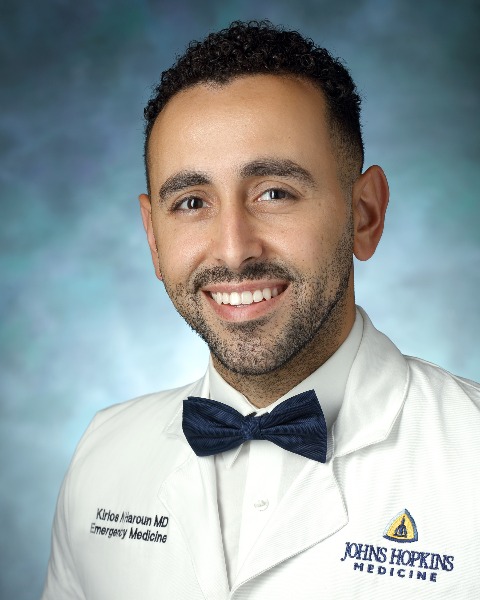
Kirlos N. Haroun, MD
Johns Hopkins University
I was born in Egypt to an incredibly supportive farming family before moving to Miami, Florida with my parents and my three siblings, where I grew up. I completed my undergraduate studies at the University of Miami, attended medical school at the University of Pennsylvania, and finished my residency at the University of Chicago. Currently, I am learning and growing as a Clinical Instructor and Medical Education Fellow at Johns Hopkins, focusing on the development of wellness-minded medical professionals. This upcoming July, 2025 I will be gratefully stepping in as the Assistant Program Director of the Johns Hopkins Emergency Medicine Residency!
-
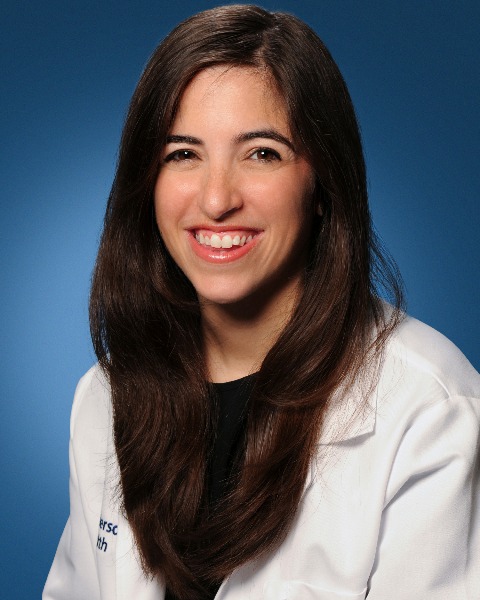
Amanda J. Deutsch, MD
Thomas Jefferson University
Dr. Amanda J. Deutsch, MD is a Clinical Assistant Professor and Director of Well-Being for the Department of Emergency Medicine at Thomas Jefferson University. Dr. Deutsch earned her undergraduate degree at Harvard University. She subsequently completed her post-baccalaureate and did quality improvement research at Boston Children’s Hospital before starting her career as a medical student at the University of Iowa, where she is from. She completed an Emergency Medicine residency at the University of Pennsylvania, where she completed a track in Healthcare Leadership and Quality Improvement. She most recently completed a fellowship in Physician Wellness at Stanford Emergency Medicine. In her inaugural role as Director of Well-Being at the Department of Emergency Medicine at Thomas Jefferson University she combines her interests in clinical operations, process improvements and well-being.
Dr. Deutsch chairs the #StopTheStigmaEM subcommittee and hopes to normalize conversations around mental health for emergency medicine physicians, address barriers, and foster better mental health care for emergency medicine. Her interests include focusing on gratitude and appreciation to develop a sense of community and a team that can excel for their patients without the cost of their interests, self, and career. Dr. Deutsch loves to tweak process improvements to help foster well-being.
-

Al'ai Alvarez, MD
Stanford Emergency Medicine
Al'ai Alvarez, MD (@alvarezzzy) is a national leader and educator on wellness, diversity, equity, and Inclusion. He is a clinical associate professor of Emergency Medicine (EM) and Well-Being Director at Stanford Emergency Medicine. He co-leads the Human Potential Team and serves as the Stanford EM Physician Wellness Fellowship Director. He is the Chair of the Stanford WellMD's Physician Wellness Forum and Director of the Physician Resource Network (PRN) Support Program. His work focuses on humanizing physician roles as individuals and teams by harnessing the individual human potential in the context of high-performance teams. This includes optimizing the interconnectedness between Process Improvement (Quality and Clinical Operations), Recruitment (Diversity and Representation), and Well-being (Inclusion and Belonging). He is one of the 2021-2022 Faculty Fellows at the Stanford Byers Center for Biodesign.