
Optimizing Human Potential Through Mental Health Care: Stop the Stigma EM Month
We often approach mental health care reactively, seeking help only when suffering becomes unbearable. This webinar, launching #StopTheStigmaEM Month for 2024, seeks to change that by promoting proactive mental health care as a core element of emergency medicine's culture. Using the Mental Health Continuum, we'll explore various mental health states - from wellness to illness - and discuss ways to integrate support into daily departmental operations. Special focus will be on addressing challenges like the imposter phenomenon during career transitions and creating supportive environments. Learn innovative strategies for reducing stigma and fostering a culture where team members thrive.
-

Al'ai Alvarez, MD
Stanford Emergency Medicine
Al'ai Alvarez, MD (@alvarezzzy) is a national leader and educator on wellness, diversity, equity, and Inclusion. He is a clinical associate professor of Emergency Medicine (EM) and Well-Being Director at Stanford Emergency Medicine. He co-leads the Human Potential Team and serves as the Stanford EM Physician Wellness Fellowship Director. He is the Chair of the Stanford WellMD's Physician Wellness Forum and Director of the Physician Resource Network (PRN) Support Program. His work focuses on humanizing physician roles as individuals and teams by harnessing the individual human potential in the context of high-performance teams. This includes optimizing the interconnectedness between Process Improvement (Quality and Clinical Operations), Recruitment (Diversity and Representation), and Well-being (Inclusion and Belonging). He is one of the 2021-2022 Faculty Fellows at the Stanford Byers Center for Biodesign.
-

Saadia Akhtar, MD
Senior Associate Dean for Trainee Well-Being in Graduate Medical Education
Icahn School of Medicine at Mount Sinai
Saadia Akhtar, MD, is a professor of emergency medicine and medical education and senior associate dean for trainee well-being in graduate medical education at the Icahn School of Medicine at Mount Sinai. Since 2018, she has served as associate dean for trainee well-being in graduate medical education, overseeing several successful initiatives to enhance the well-being of residents and clinical fellows. These initiatives include establishing a GME well-being survey to assess the needs of residents and fellows, expanding the GME Well-being Champion program, and creating the GME Clinical Work Intensity Matching Grant Program.
In 2024, Dr. Akhtar was promoted to senior associate dean for trainee well-being in GME, continuing to lead efforts to address resident and fellow burnout. She supports collaborative initiatives to create and integrate well-being curricular activities in training programs, raise awareness of existing resources for residents and fellows, and enable GME Well-being Champions to enhance the efficiency and culture of the training environment. She is also a leading faculty member of the Office of Well-Being and Resilience.
Dr. Akhtar previously served as the director of the emergency medicine residency program at Mount Sinai Beth Israel. She is a former president of the Council of Residency Directors in Emergency Medicine (CORD) and an oral board examiner for the American Board of Emergency Medicine (ABEM). She has received numerous awards, including the ACGME Parker J. Palmer Courage to Teach Award for program director excellence and the CORD Michael P. Wainscott Program Director Award. She is the course co-director for the Collaborative for healing and Renewal in Medicine (CHARM) national GME Well-being Leaders Certificate Course. Dr. Akhtar completed a combined residency in emergency medicine and internal medicine at Mount Sinai Beth Israel and served as chief resident in her final year of training.
-

Diann Krywko, MD
Chair, Department of Emergency Medicine
Medical University of South Carolina
Diann Krywko, MD, is the chair of the Department of Emergency Medicine at Medical University of South Carolina. She completed her undergraduate studies at Michigan State University-Lyman Briggs College of Natural Sciences in 1992 and graduated from Wayne State University School of Medicine in 1996. -

Pamela Dyne, MD
Professor, Clinical Emergency Medicine
UCLA David Geffen School of Medicine
Dr. Pamela Dyne is Professor of Clinical Emergency Medicine at the UCLA David Geffen School of Medicine, a former president of CORD, program director and DIO, a certified life and health coach, a certified chief wellness officer, and director of coaching for the UCLA David Geffen School of Medicine. With over 25 years of experience in GME, faculty development, and organized medicine leadership, her current position as Chief Physician Wellness Officer of Olive View-UCLA Medical Center allows her to integrate her leadership experience and knowledge of organizational and individual wellbeing with the human aspect of middle management that is required to create institutional change.
-

Kyra Reed, MD
Assistant Program Director
Indiana University School of Medicine
Dr. Reed is an Assistant Professor of Emergency Medicine and Pediatrics at Indiana University School of Medicine (IUSM). She also serves as Assistant Program Director for the IUSM Emergency Medicine Residency. Her career interest are centered on resident wellness and mental health.
-

Victoria L. Zhou, MD
Assistant Professor, Emergency Medicine
University of Vermont
Victoria Zhou, MD is an assistant professor of emergency medicine at the University of Vermont. She currently serves as Associate Residency Program Director for the University of Vermont Emergency Medicine Residency.
-
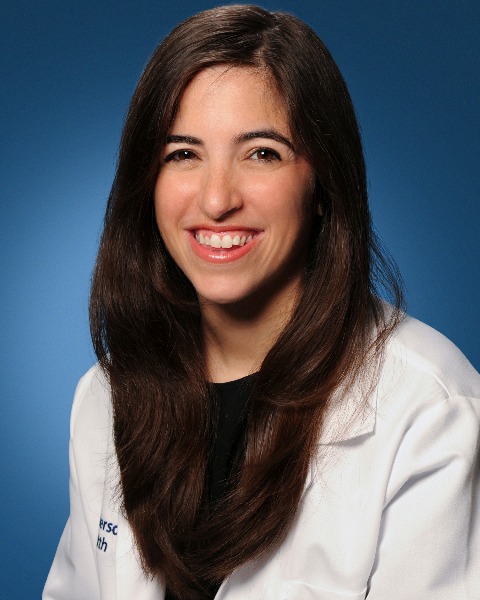
Amanda J. Deutsch, MD
Thomas Jefferson University
Dr. Amanda J. Deutsch, MD is a Clinical Assistant Professor and Director of Well-Being for the Department of Emergency Medicine at Thomas Jefferson University. Dr. Deutsch earned her undergraduate degree at Harvard University. She subsequently completed her post-baccalaureate and did quality improvement research at Boston Children’s Hospital before starting her career as a medical student at the University of Iowa, where she is from. She completed an Emergency Medicine residency at the University of Pennsylvania, where she completed a track in Healthcare Leadership and Quality Improvement. She most recently completed a fellowship in Physician Wellness at Stanford Emergency Medicine. In her inaugural role as Director of Well-Being at the Department of Emergency Medicine at Thomas Jefferson University she combines her interests in clinical operations, process improvements and well-being.
Dr. Deutsch chairs the #StopTheStigmaEM subcommittee and hopes to normalize conversations around mental health for emergency medicine physicians, address barriers, and foster better mental health care for emergency medicine. Her interests include focusing on gratitude and appreciation to develop a sense of community and a team that can excel for their patients without the cost of their interests, self, and career. Dr. Deutsch loves to tweak process improvements to help foster well-being.
-

Diane L. Gorgas, MD
President, Board of Directors
American Board of Emergency Medicine
Diane Gorgas, MD, is President of the American Board of Emergency Medicine (ABEM) Board of Directors. She is a professor and vice chair of academic affairs in the Department of Emergency Medicine and executive director of the Office of Global Health at The Ohio State University in Columbus, Ohio. Dr. Gorgas received her medical degree from Case Western Reserve University School of Medicine and has been in practice for more than 30 years, nine of which were as a residency director. She practices clinically at the Ohio State Wexner Medical Center. -

Gregory Guldner, MD, MS
Vice President of Academic Affairs
HCA Healthcare Graduate Medical Education
Gregory Guldner, MD, MS, is vice president of academic affairs for HCA Healthcare Graduate Medical Education. He previously served as designated institutional official for HCA Healthcare Riverside in Southern California and was the program director for the HCA Healthcare Riverside Emergency Medicine Residency Program. He is a clinical professor of emergency medicine at the University of California Riverside School of Medicine. Dr. Guldner earned his medical degree from Stanford University after completing a master's degree in clinical psychology at Purdue University and undergraduate degrees in philosophy and psychology from Colorado State University. He practiced emergency medicine for 25 years in both academic and community settings and has 25 years of service in the Army Medical Corps (Reserve), including combat deployments to Iraq and Afghanistan.
His research focuses on developing evidence-based systemic, individual, and leadership interventions to improve resident physician well-being. He studies well-being with the HCA/Claremont Graduate University Physician Well-Being Research Lab and works with psychologists at Immersyve Health.