
EBM vs EBM: Why We Need Both Evidence-Based and Experience-Based Medicine
Therefore, in this session, the speakers will not only illustrate several high-profile examples of such confounded “evidence”, but also how they routinely confuse best practices in resuscitation research and other arenas of EM/Critical Care investigation. At the same time, the speakers will also address some attendant benefits of those disappointing studies while, at the same, offering very reasonable alternative approaches to validate best practices in future resuscitation research as well as other paths of investigation in EM and critical care. In the end, these “Gemini” presenters will emphasize that boots-on-the-ground clinicians should drive and guide study design, think multi-dimensionally, trust robust pre-clinical findings, focus on experienced-based quality assurance, and appreciate that “research” should actually be spelled “ re-search.”
As a bonus aspect of this provocative presentation, these two globally-respected (and perennially award-winning) investigators will provide a “sneak” preview of one of the plenary scientific abstract presentations (Star Research Achievement Award Winner, Abstract #2) for the upcoming Society of Critical Care Medicine (SCCM) 51st Annual Congress in April. The findings to be presented from this clinical outcomes study may not only signal the future of how we should modify CPR (physiologically-speaking), but also how we may need to study and achieve major advances in cardiac arrest life-saving in years ahead.
At the end of the presentation, the participant will be able to:
- Explain the need for evidence-based medicine in EM and critical care with classic examples in which vanguard clinical trials identified that some empiric “standard of care” interventions routinely used in EM, trauma and critical care were not only ineffective, but actually harmful in certain cases, thus changing therapeutic paradigms.
- Recount and illustrate the limitations of many “gold-standard” studies that have formulated many of the “evidenced-based” approaches used in current resuscitation practices.
- Emphasize and articulate the key role of well-designed pragmatic preclinical studies to guide best clinical translation.
- Itemize the potential advantages, caveats, and limitations of new approaches to resuscitation research including truly reproducible “bundles” of care, multidimensional thinking, and improved statistical methodologies including strategic propensity scoring and Bayesian techniques in the future — and why.
- Articulate, and reinforce, futuristic approaches to the validation of best practices in EM and critical care.
-
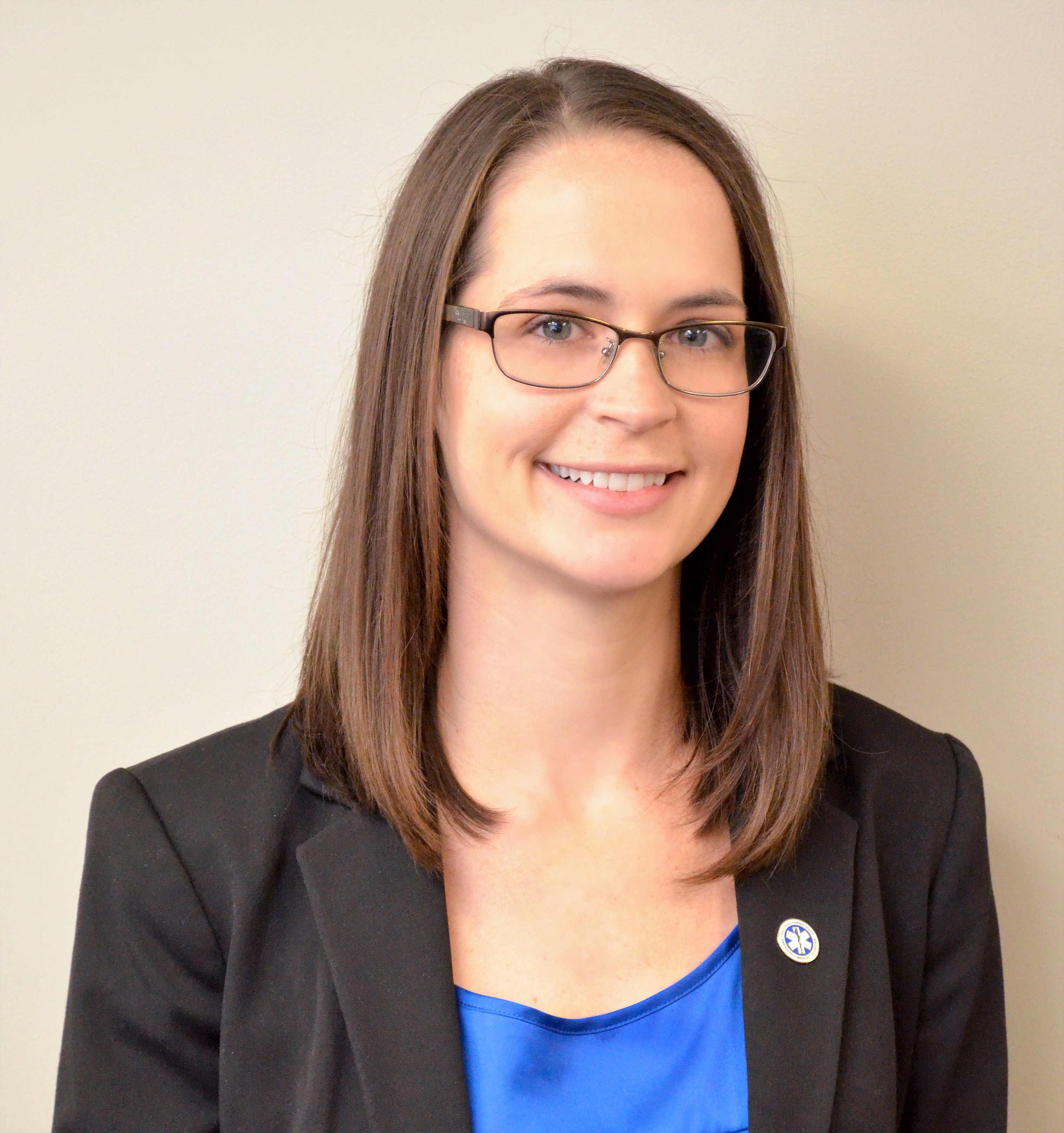
Remle P. Crowe, PhD, EMT-P
Dr. Crowe is an expert in using data to power research and quality improvement in EMS. Her career in EMS began as a volunteer EMT and instructor in Mexico City with the Red Cross. During that time, she also worked as a Powertrain Quality Engineer at Ford Motor Company, where she received black belt training in Six Sigma quality improvement methodology. Dr. Crowe currently serves as a research scientist and performance improvement manager with ESO, a large provider of software for EMS agencies, fire departments, and hospitals, based in Austin, Texas. Prior to joining ESO, she worked as an EMS Research Fellow at the National Registry of EMTs where she earned her PhD in Epidemiology from The Ohio State University. She has authored numerous peer-reviewed publications and her research related to burnout was awarded ‘Best Research’ at the International EMS Scientific Symposium. -
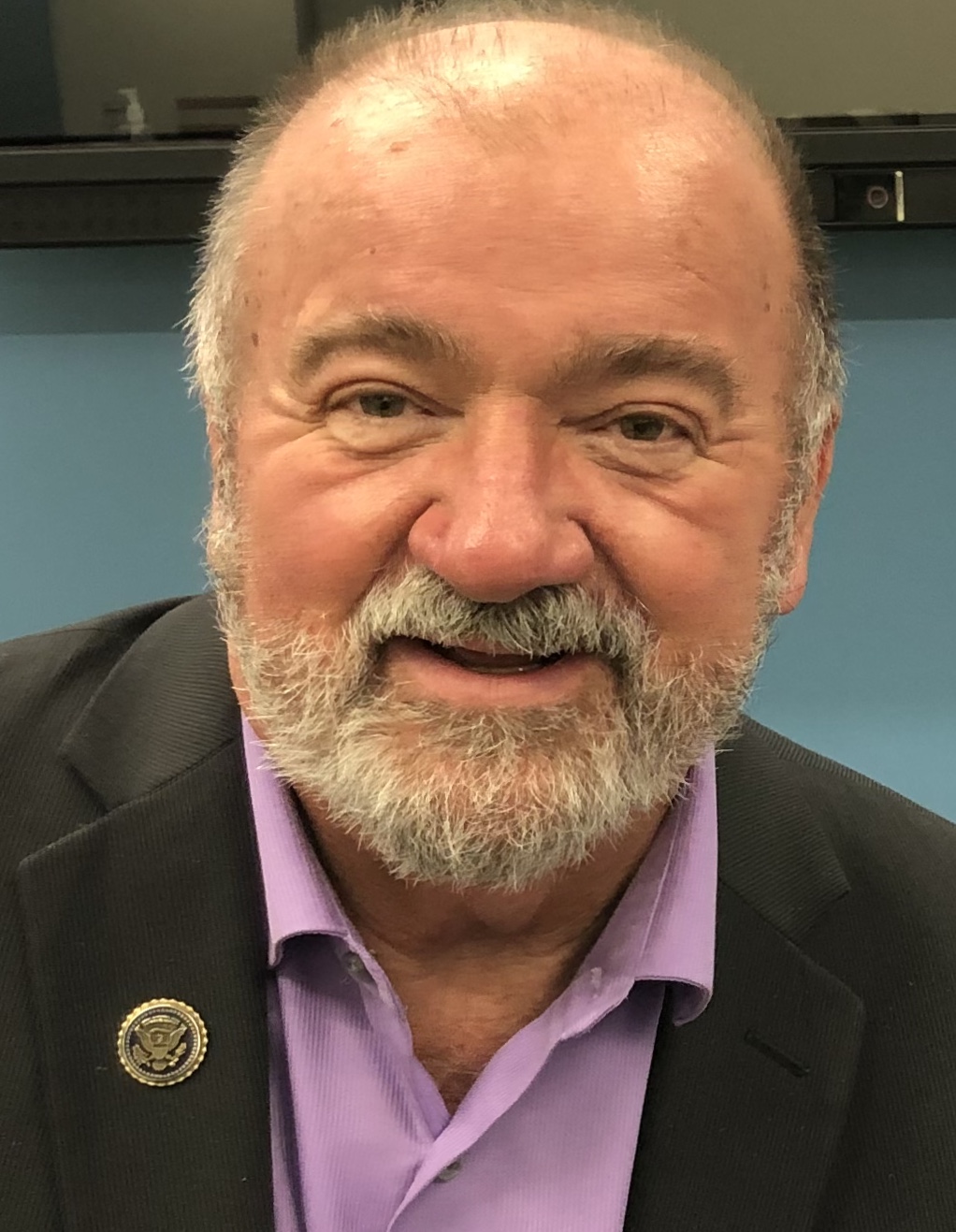
Paul E. Pepe, MD, MPH, MCCM
Dr. Pepe is a life-long academician and public servant who has pioneered many multi-disciplinary advances in critical care and emergency medicine over the past four decades and who remains a highly-prolific and globally-respected leader in the realms of resuscitation research, EMS, disaster response and event medicine. Currently, Dr. Pepe is the creator, program director and perennial moderator for the world-renowned EMS State of the Science: Gathering of Eagles conferences and, in turn, he serves as the global coordinator for the affiliated metropolitan EMS medical directors alliance.