You've Done the Interviews, Now What? The Basics of Qualitative Data Analysis (Research Committee Sponsored)
Qualitative data and methods are increasingly used in emergency medicine research. As interest in qualitative methods has grown (e.g., interview design), there has been considerably less attention given to the systematic methods of qualitative data analysis. In this didactic, we cover practical aspects of qualitative data analysis. Specifically, experienced qualitative researchers will cover the importance of theory in data analysis, tips for building and using codebooks, the process of identifying and validating themes, techniques of systematic comparisons, and how to incorporate reflexivity in qualitative analysis. The goals of this didactic are to: 1) inform participants about best practices for data analysis and reporting; 2) explore how qualitative data can be analyzed systematically and flexibly; and 3) help participants interpret and report their own data with relevant examples from presenters’ own work. This didactic session builds on several years of excellent engagement with the introduction to qualitative methods didactics offered at previous SAEM meetings and responds to participants’ requests for more advanced content regarding analysis. It will be applicable to both new and experienced qualitative investigators. An interactive component will be included and attendees are welcome (but not required) to bring specific questions from their own work.
Presenters:
- Bisan A. Salhi, MD, PhD
- Rama A. Salhi, MD, MHS, MSc
- Ambrose H. Wong, MD, MSEd, MHS
- Elizabeth M. Schoenfeld, MD, MS
- Lauren M. Westafer, DO, MPH, MS
- Aasim I. Padela, MD, MSc
-
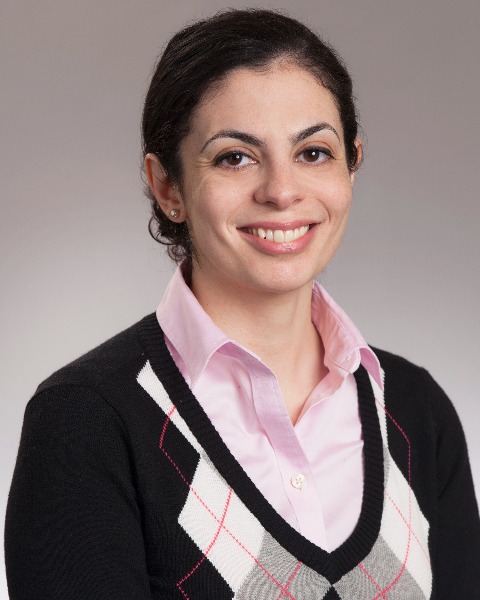
Bisan A. Salhi, MD, PhD
Drexel University College of Medicine
Dr. Salhi is dual trained in Emergency Medicine and Anthropology, having completed a PhD examining homeless super-utilizers at Grady Memorial Hospital in Atlanta, Georgia. Her research focuses on underserved populations, social determinants of health, and housing deprivation in the Emergency Department. Dr. Salhi is currently Associate Professor of Emergency Medicine and Assistant Dean for Student Affairs, Diversity, Equity, and Inclusion at the Drexel University College of Medicine.
-
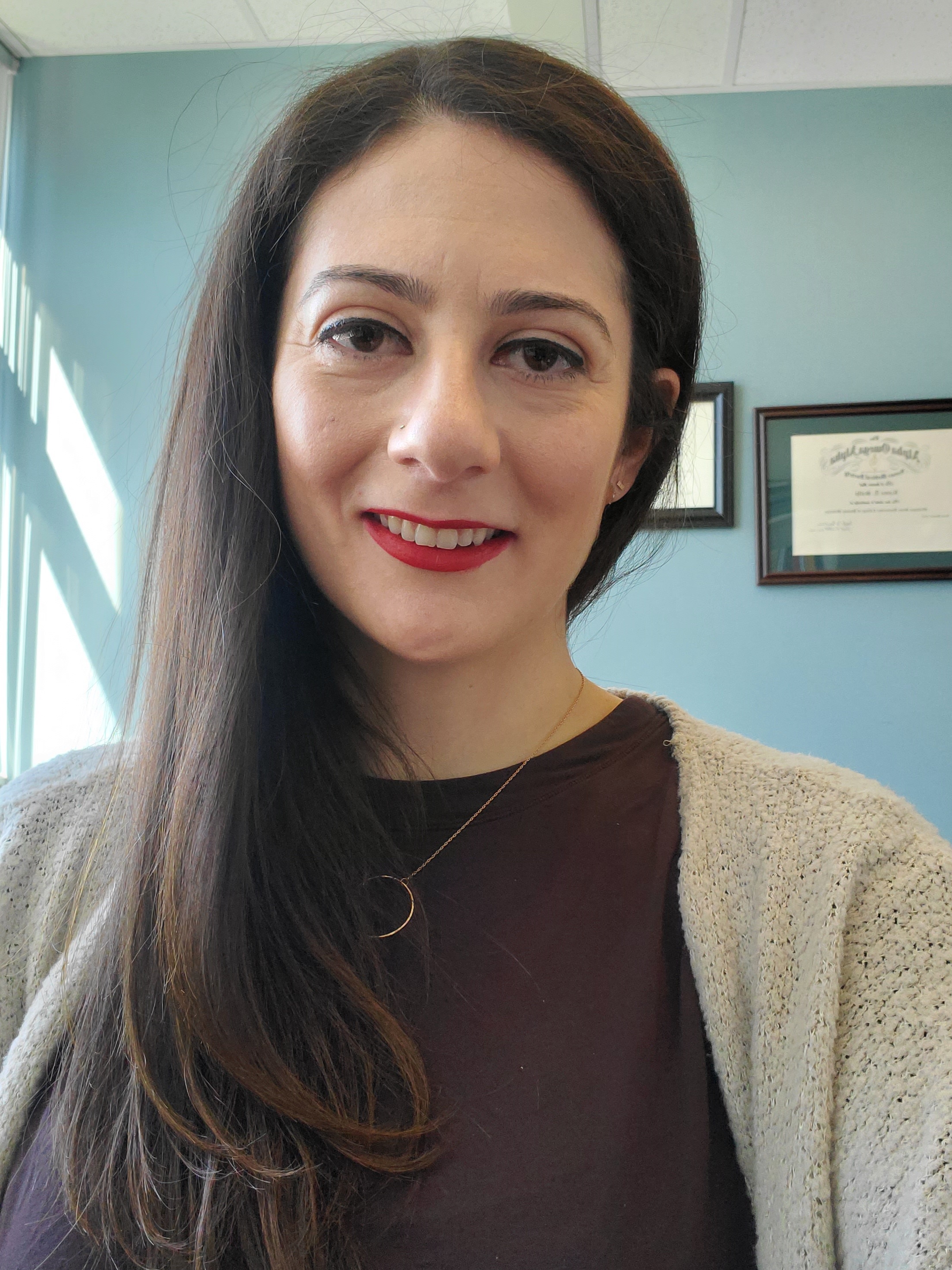
Rama A. Salhi, MD, MHS, MSc
Attending Physician
Massachusetts General Hospital/Harvard Medical School
Dr. Salhi is an Assistant Professor in the Department of Emergency Medicine Massachusetts General Hospital. She completed emergency medicine residency and subsequent fellowship in the National Clinician Scholars Program at the University of Michigan. Her research focus pertains to improving care delivery and outcomes for acute conditions, including cardiac arrest and traumatic injury. She has a specific interest in the intersection of structural racism/inequities, implications of data collection, and the delivery of acute, time-sensitive care.
-
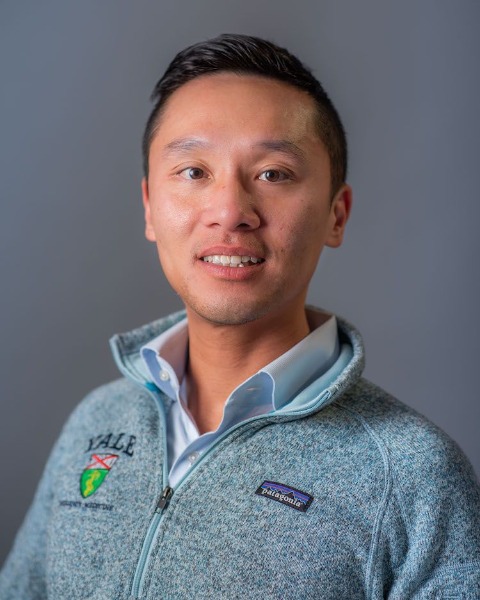
Ambrose H. Wong, MD, MSEd, MHS
Yale University School of Medicine
Dr. Wong is a physician-scientist in the Department of Emergency Medicine, with a focus on teamwork, patient safety, behavioral health, and healthcare disparities. He is the Research Director and Associate Fellowship Director at the Yale Center for Medical Simulation. He also has expertise in qualitative and mixed-methods techniques for health services research.
He received his Bachelor of Science from the University of British Columbia in Microbiology & Immunology in Vancouver, Canada and attended Washington University School of Medicine in St. Louis, Missouri. Ambrose obtained his Emergency Medicine residency training at NYU & Bellevue Hospitals Center in New York City, serving as chief resident physician in his final year. He subsequently completed a medical simulation fellowship at NYU School of Medicine & New York Simulation Center for the Health Sciences. He received a Master of Science in Health Professions Education at Massachusetts General Hospital Institute of Health Professions.
Dr. Wong applies healthcare simulation technology to address workplace violence and improve behavioral care in the emergency setting. He has authored 25 peer-reviewed publications on behavioral emergency care and received an NIH NCATS KL2 & YCCI Scholar Award to implement an agitation code team response intervention. He is the current recipient of multiple federal awards to investigate the use of health IT and patient-centered methods to improve the care of agitation management while maintaining safety of staff and healthcare workers. -
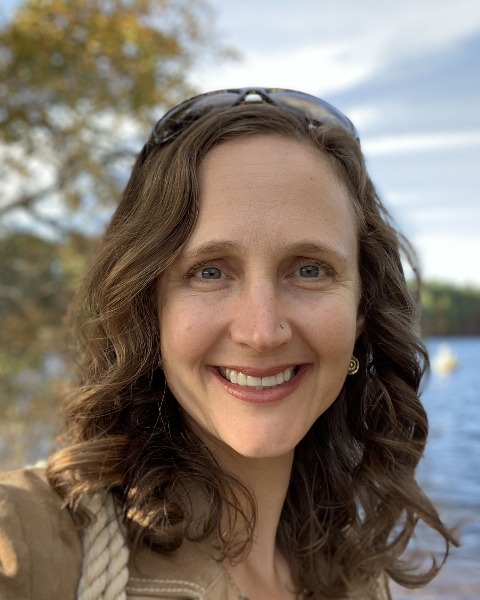
Elizabeth M. Schoenfeld, MD, MS
UMass Chan - Baystate
Dr. Schoenfeld is the VC of Research at UMass Chan-Baystate. She completed her K award in 2023 (Shared Decision Making in the ED for imaging decisions in suspected renal colic) and currently serves as a mentor to several K awardees and clinician-researchers working towards K funding. She has received research funding as PI from NIDA, AHRQ, and various foundations (R03, K, and R34). She is a Decision Editor for Qualitative Methods for Academic Emergency Medicine. Current areas of research and interest include shared decision-making (SDM) with people who use drugs, building trustworthiness, SDM without shared language, supporting EM research, and harm reduction for people who use stimulants. She is more than happy to talk to you about your own research interests, your career, qualitative methods, or any place she could be helpful to you.
-

Lauren M. Westafer, DO, MPH, MS
Assistant Professor in the Department of Emergency Medicine
University of Massachusetts Medical School - Baystate
Dr. Westafer, DO, MPH, MS (she/her) is an Assistant Professor in the Department of Emergency Medicine at the University of Massachusetts Medical School - Baystate and Director of the Emergency Medicine Research Fellowship. Lauren is an implementation science researcher and FOAMed enthusiast. She is author of the blog, The Short Coat, and cofounder of the emergency medicine podcast, FOAMcast. Dr. Westafer lectures internationally on social media in medical education, critical appraisal and journal club design, pulmonary embolism, and advancing the quality of healthcare for LGBTQI+ patients. In addition, she serves as the Social Media Editor and a research methodology editor for Annals of Emergency Medicine and an Associate Editor for the NEJM Journal Watch Emergency Medicine. -

Aasim I. Padela, MD, MSc
Professor
MCW
Dr. Aasim I. Padela is a Professor with Tenure of Emergency Medicine, Bioethics and the Medical Humanities at MCW. In addition to being Vice Chair of Research and Scholarship in the Department of Emergency Medicine, he holds a teaching and research appointments in the Center for Bioethics and Medical Humanities within the Institute for Health and Equity, at the Center for Advancing Population Science, and in the Cancer Center. Further, he serves within the medical school as a learning community navigator, and on the Council of Faith for the Clinical and Translational Science Institute and on the Community Engagement Advisory Council for the Office of Community Engagement. Dr. Padela is an internationally renowned clinician-researcher with scholarly foci at the intersections of healthcare, bioethics, and religion. In addition to maintaining an active clinical, research, and bioethics practice at MCW, he provides public health and bioethics consultation to international organizations, legislative bodies, and in court.