Work Smarter, Not Harder: Operational Solutions to Challenges in Acute Stroke Care (Neurologic EM Interest Group- and Operations Interest Group-Sponsored)
Co-sponsored by the Operations Interest Group and the Neurologic Emergencies Interest Group, this session will focus on operational strategies and challenges in the emergency department (ED) for patients experiencing acute strokes. These time-sensitive conditions are specialized and influenced by external metrics, making them complex for resource allocation. Healthcare systems have implemented various protocols to optimize patient outcomes. Speakers will examine current literature, discuss operational aspects of stroke care, and identify future research priorities. The session will cover operational challenges in treating ischemic stroke, hemorrhagic stroke, and transient ischemic attack (TIA), addressing issues such as rural versus urban care, socioeconomic disparities, and ED boarding. Evidence-based solutions for improving patient outcomes, ED flow, and care metrics will be presented. Attendees will gain insights into practical strategies for operationalizing stroke care across diverse clinical environments and will identify potential research opportunities aimed at improving care systems and resources for stroke patients.
Learning Objectives:
- Identify Key Operational Challenges: Attendees will be able to outline the primary operational challenges associated with acute stroke care.
- Discuss Evidence-Based Approaches: Attendees will learn about and discuss evidence-based strategies that can be implemented in different healthcare settings to improve patient outcomes and optimize ED flow for stroke patients.
- Explore Future Research Directions: Attendees will identify opportunities for future research in the operational realm of stroke care, contributing to the development of innovative improvements in stroke care systems.
Presenters:
- Lauren E. Mamer, MD, PhD
- Katherine D. Mayes, MD, PhD (she/her/hers)
- Monisha Dilip, MD, MBA
- Charles R. Wira, MD
- Christopher Lewandowski, MD
- Joseph Miller, MD, MS
- Peter D. Panagos, MD
-
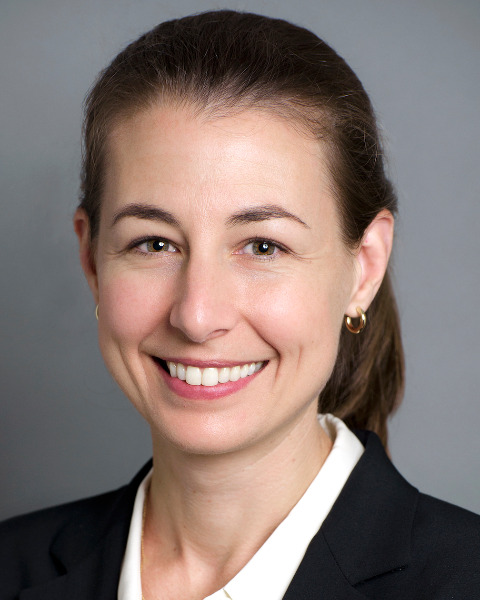
Lauren E. Mamer, MD, PhD
University of Michigan
Lauren Mamer, MD, PhD is a Clinical Assistant Professor in Emergency Medicine at University of Michigan and Hurley Medical Center. She completed a NINDS StrokeNet Fellowship, during which she focused on the composition of stroke teams. She has an enduring interest in cerebrovascular disease in the ED that has spanned projects across multiple modalities including large national data set analysis, health services research, quality improvement and medical education. She is currently a K12 scholar studying the application of blood-based biomarkers to risk stratification of TIA in the emergency department. Her current research interest is in optimizing the care of patients presenting to the emergency department with transient neurologic deficits, specifically the application of blood-based biomarker assays to the diagnosis of clinically silent ischemic stroke in these patients with the goal of optimizing secondary prevention and streamlining the diagnostic workup of neurologic complaints.
-

Katherine D. Mayes, MD, PhD
Virginia Tech Carilion School of Medicine
Katherine Dickerson Mayes, MD, PhD is an Assistant Professor and Core Faculty of Emergency Medicine at the Virginia Tech Carilion School of Medicine. She attended medical school at Stanford University prior to completing her residency at the Harvard Affiliated Emergency Medicine Residency program at Mass General Brigham, where she served as chief resident. Her research interests include both the treatment of neurologic emergencies and social determinants of health.
-

Monisha Dilip, MD, MBA
Assistant Medical Director
Columbia University Irving Medical Center/Weill Cornell Medicine
Dr. Monisha Dilip is an Assistant Medical Director for Quality and Patient Safety at Columbia University. She completed an administration fellowship at Yale. Her specific focuses are emergency department operations, patient safety and quality, and admin’s role in wellness. She completed her MBA at Yale School of Management. She completed her residency in emergency medicine at Kings County/SUNY Downstate in Brooklyn, NY. In her fourth year, she served as a Chief Resident.
Dr. Dilip attended California Institute of Technology (Caltech) for undergrad. She completed medical school at University of California, San Diego School of Medicine where she was inducted into the Gold Humanism Society. In her spare time, she likes reading books, exploring new restaurants, and exploring new cities. -
Charles R. Wira, MD
Yale University School of Medicine
Dr. Wira is board certified in Internal and Emergency Medicine with specialization in Stroke and Emergency Critical Care. He provides clinical care in the Yale Department of Emergency Medicine (DEM) and also for the Division of Vascular Neurology in the Department of Neurology. He has held volunatary leadership positions with the AHA/ASA, inclusive of serving on the Leadership Committee of the Stroke Council, and past served as Chair of the State of Connecticut Stroke Task Force at the CT Department of Health. Dr. Wira performs research in the areas of stroke, sepsis, and cardiac arrest, and helps operate the Yale SIREN Hub, implementing phase II/III clinical trials of the NIH funded SIREN network. -

Christopher Lewandowski, MD
Henry Ford Hospital, Wayne State University
Christopher A. Lewandowski, MD, FACEP, FAAEM, is board-certified in emergency and internal medicine. He received his BS degree in Chemistry from Marquette University - Milwaukee in 1976 and his MD from the Medical College of Wisconsin – Milwaukee in 1982. After 2 years in the National Health service Corp, he completed residency at Henry Ford Hospital in Emergency Medicine and Internal Medicine in 1988.
Dr. Lewandowski is currently the Executive Vice Chair for Academic Affairs and the former Residency Program Director for the Department of Emergency Medicine at Henry Ford Hospital. He is a Clinical Professor of Emergency Medicine at Wayne State University and a member of the Ford Acute Stroke Team. His primary area of interest in research is in the acute treatment of Stroke and Neurological Emergencies. He was one of the original t-PA Stroke Study Investigators. His ongoing research includes participation in multiple trials sponsored by The National Institute of Neurological Disorders and Stroke (NINDS) through the Neurological Emergencies Treatment Trials (NETT) Network and the SIREN Network, as well as PTSD development among trauma survivors. -
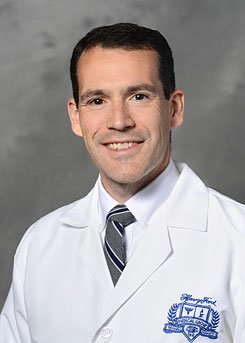
Joseph Miller, MD, MS
Clinical Associate Professor
Henry Ford Health / Michigan State University Health Sciences
I am a Clinical Associate Professor of Emergency Medicine at Henry Ford Health and Michigan State University. I lead the SAEM ARMED course and frequently speaks on statistical methods. My research focuses on the intersection of neurological and cardiovascular emergencies, and I am a principal investigator for a R01 ancillary study to the BOOST-3 trial. -
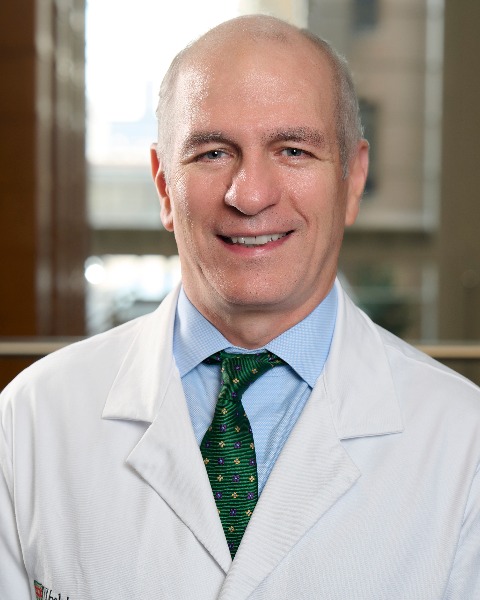
Peter D. Panagos, MD
Washington University in St. Louis
Dr. Panagos is currently Executive Vice Chair and Professor of Emergency Medicine and Neurology at Washington University in St Louis. He is a 1987 graduate of Dartmouth College. In 1994, he completed his medical education at Emory University. Following a year of surgical training at Naval Medical Center San Diego, he graduated and received his wings as a Naval Flight Surgeon in Pensacola, Florida. From 1996-1999, he was stationed in Okinawa, Japan from with the 3rd Marine Aircraft Wing. In 2002, he completed a residency in Emergency Medicine at the University of Cincinnati and subsequently completed a Neurovascular Emergencies/Stroke Fellowship at the same institution in 2003. At Washington University, he has served as PI for multiple NIH and Industry funded clinical trials including current Co-PI of NINDS StrokeNet (RCC 28). Starting in December 2023, he will serve as main PI of NIH/NINDS RCC 28 (MARCC), the largest national stroke trial network, StrokeNet. He is the Director of Neurovascular Emergencies in the Division of Emergency Medicine and Co-Director of the Barnes-Jewish Hospital/Washington University Stroke Network. He has severed in multiple leaderships for the AHA/ASA including Chair of Mission: Lifeline Stroke, the Emergency Neurovascular Care Committee (ENCC) and is the immediate past Chair of the ASA Stroke Council Leadership Committee. He is Associate Editor of Academic Emergency Medicine and an Emergency Medicine Oral Board Examiner.