The Relationship-Driven Leader: Three Essential Communication Skills for Navigating Differences Through Connection (AACEM-Sponsored)
Academic leadership in emergency medicine (EM) involves addressing complex, high-stakes conversations, often involving unspoken emotions and diverse perspectives. These interactions can challenge our ability to communicate effectively and empathetically. Without continual training and feedback, leaders may rely too heavily on cognitive reasoning, prematurely shutting down dialogue and leaving underlying issues unresolved. While EM leaders aim for clear communication, navigating difficult topics while maintaining relationships can be daunting. This workshop will provide participants with three evidence-based communication techniques—appreciative inquiry, active listening, and tactical empathy—that can be immediately implemented in academic EM settings. Through case-based paired exercises, attendees will develop and practice these skills, reflecting on their own experiences to enhance learning and application.
Learning Objectives:
- Utilize appreciative inquiry to elicit personal narrative and attain awareness of individual and team strengths.
- Practice active listening with summary to establish a clear understanding of a colleague’s interests and goals.
- Apply a framework for verbalizing empathetic responses for common scenarios in academic EM leadership.
Presenters:
- Gretchen Fuller, MD, FACEP
- Katherine Leaming-Van Zandt, MD, MBS
-
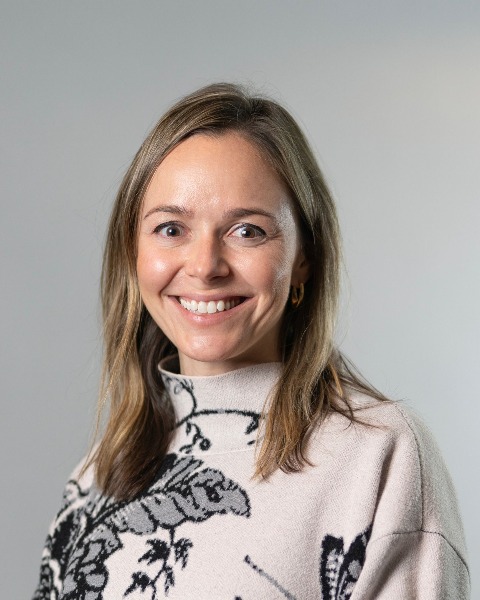
Gretchen Fuller, MD, FACEP, FACH
UT Austin Dell Medical School
Gretchen Fuller, MD, FACEP, FACH is a dual-boarded Emergency Medicine and Pediatric Emergency Medicine physician. Gretchen completed medical school at Harvard University, Emergency Medicine residency and Chief Residency at University of California, San Francisco and Pediatric Emergency Medicine Fellowship at University of Texas at Austin Dell Medical School. She is an Assistant Professor in the Department of Surgery at University of Texas at Austin Dell Medical School and teaches communication skills across the undergraduate, medical student, resident, fellow, faculty continuum. She was the recipient of the 2024 Dell Medical School Compassion and Character Faculty Award and several Dell Medical School Graduate Medical Education Clinical Learning Environment Awards. Her professional focus is interpersonal and team communication and how these skills can foster human connection and improve the lives of healthcare professionals and patients.
She is a member of the Faculty and Board of Directors of the Academy of Communication in Healthcare and facilitates workshops locally, nationally and internationally on individual and team communication skills, conflict, inclusion, coaching, feedback and leading teams. Gretchen is a certified Physician Development Coach through the International Coaching Federation-accredited Physician Coaching Institute. She previously served as National Director of Patient Experience for US Acute Care Solutions, an acute care contracting company with over 5,000 clinicians caring for over 9 million patients annually. She lives in Austin, Texas with her husband and 3 children. -
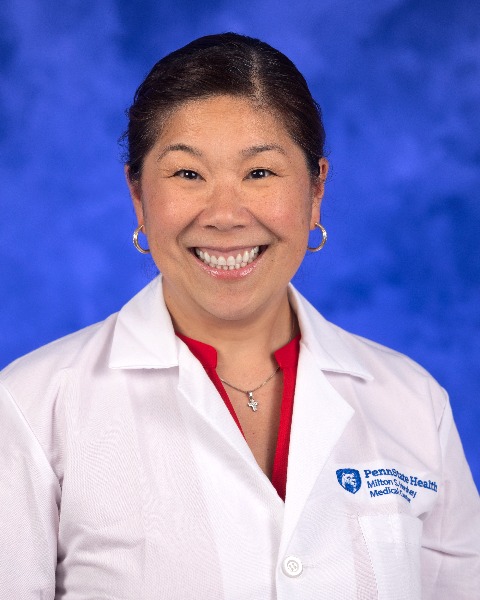
Katherine Leaming-Van Zandt, MD, MBS
Penn State Health/Milton S Hershey Medical Center
Dr. Kay Leaming-Van Zandt is Division Chief of Pediatric Emergency Medicine at Penn State Health/Milton S. Hershey Medical Center and an Associate Professor of Emergency Medicine and Pediatrics at Penn State College of Medicine. After graduating from The Pennsylvania State University with a Bachelor of Science degree in Biology, she received her Masters of Biological Science at MCP Hahnemann University (now known as Drexel University College of Medicine). She graduated with her Medical Degree from New York Medical College, and then completed her residency training in Pediatrics, followed by a fellowship in Pediatric Emergency Medicine, at Texas Children’s Hospital in Houston, TX.
In recognizing the importance of and the necessity for interpersonal and interprofessional delivery systems in healthcare, she has presented numerous local and national lectures and workshops on patient experience, service quality/culture, and relationship-centered communication. She has, also, published several peer-reviewed articles on patient communication assessment tool development/validation, physician communication skills, and pediatric-focused communication training. In collaboration with the Academy of Communication in Healthcare, she has developed a pediatric-specific, relationship-centered communication curriculum and trained over 2,000 healthcare professionals and medical trainees. She continues to facilitate relationship-centered communication skills workshops, including giving and receiving feedback and navigating difficult conversations/conflict, nationally as a faculty member of the Academy of Communication in Healthcare.