Pearls and Pitfalls of Building an Emergency Medicine Research Program (Research Committee and Research Directors Interest Group Sponsored)
The role of the research director (RD) or vice chair of research in academic emergency medicine (EM) is often undefined, with responsibilities and available resources varying significantly across programs. As more EM programs emerge, maintaining research integrity across faculty and residents is crucial, with RDs leading these efforts. This interactive session will focus on: 1) defining the RD role, 2) sharing practical tips and common pitfalls from a panel of RDs at different career stages, and 3) outlining best practices that can be applied nationally. Panelists from multiple institutions will cover topics such as typical job responsibilities, resource utilization, and strategies for building a successful EM research program, including a Top 7 List of Considerations When Building an EM Research Program.
Learning Objectives:
- Describe key ways they can engage faculty, residents and students in research.
- Understand how to build a research program regardless of their infrastructure and practice setting.
- List ways to seek funding, collaborate, and disseminate their research findings.
Presenters:
- Erin L. Simon, D
- Sara W. Heinert, PhD, MPH
- Michael Gottlieb, MD
- James H. Paxton, MD, MBA
- Kiran A. Faryar, MD, MPH
- Roz King, MSN, RN
-
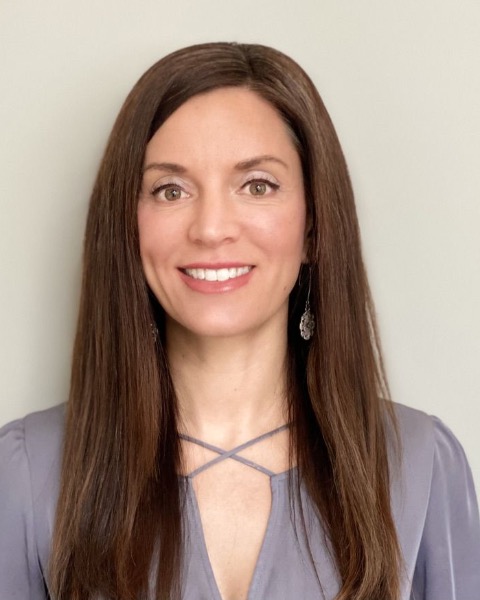
Erin L. Simon, DO
Cleveland Clinic Akron General/NEOMED
Dr. Erin Simon is a Professor of Emergency Medicine at Northeast Ohio Medical University. She is Research Director for the Cleveland Clinic Akron General Emergency Medicine Program and has published over 160 peer-reviewed manuscripts and abstracts. She is Director for the Cleveland Clinic Akron General's substance use disorder program. Dr. Simon is active in leadership roles on national and international committees for the Society for Academic Emergency Medicine and the International Federation for Emergency Medicine. She is a national oral board examiner for the American Board of Emergency Medicine and a peer reviewer for The Journal of Emergency Medicine and the American Journal of Emergency Medicine. Dr. Simon has been dedicated to resident and medical student education for over a decade.
-
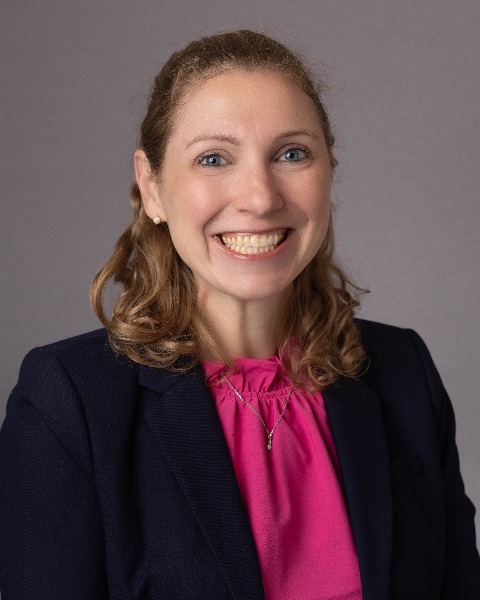
Sara W. Heinert, PhD, MPH
Rutgers Health/Robert Wood Johnson Medical School
Sara Heinert, PhD, MPH is an Assistant Professor and Co-Director of Research in the Department of Emergency Medicine at the Rutgers Robert Wood Johnson Medical School in New Brunswick, NJ. She holds a PhD in Health Policy and Administration from University of Illinois at Chicago and a MPH in Epidemiology from University of Michigan- Ann Arbor. Dr. Heinert has led research endeavors in emergency medicine for the past 11 years. Her research interests lie at the intersection of public health and the emergency department, and specifically focus on social emergency medicine research that is patient-centered and addresses access to care and health disparities. For many patients, the emergency department is their only “touch point” with the health care system and Dr. Heinert is interested in developing innovative methods to screen and educate ED patients on their health conditions and connect them to primary care. Additionally, she is engaged in collaborative work with colleagues and community partners to develop novel health advocacy opportunities for youth in underserved neighborhoods. This work involves youth as teachers of health information as a catalyst for adult healthy behavior change. Her work has resulted in first-author publications in such journals as the American Journal of Public Health, Academic Emergency Medicine, Western Journal of Emergency Medicine, and Health Promotion Practice (HPP).
-
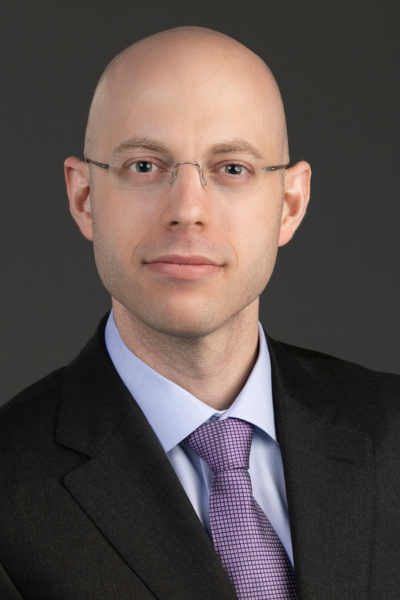
Rush University Medical Center
Michael Gottlieb, MD is the Vice Chair of Research and Director of the Emergency Ultrasound Division at Rush University Medical Center. He is Past-Chair of the ACEP Ultrasound Section and Past-Chair of the AAEM Ultrasound Section. He has authored over 500 peer-reviewed publications and is an Editor for Academic Medicine, The Annals of Emergency Medicine, The Western Journal of Emergency Medicine, The American Journal of Emergency Medicine, and Academic Emergency Medicine Education and Training, as well as the Social Media Editor for Academic Emergency Medicine. He is Past-Chair of the CORD Academy for Scholarship, Past-Chair of the SAEM Education Summit, Past-Chair of the CORD Education Committee, Past-Chair of the CORD Best Practices Subcommittee, and a nationally-recognized speaker and educator. His academic interests include medical education, ultrasound, infectious diseases, heart failure, and diversity, equity, and inclusion.
-

James H. Paxton, MD, MBA
Associate Professor and Director of Clinical Research
Detroit Receiving Hospital / Wayne State University Department of Emergency Medicine
James H. Paxton, MD, MBA, is an associate professor and the Director of Clinical Research for Detroit Receiving Hospital / Wayne State University (WSU) Department of Emergency Medicine, and previously served as Chairman of the WSU MP2 Institutional Review Board (2015-2020). He is a senior member of multiple national emergency medicine research committees, and recently served as Chairman of the SAEM research committee (2021-2024). Dr. Paxton received both his MD and MBA from the University of Cincinnati and completed EM residency training at Henry Ford Hospital. He has been core academic faculty for the EM residencies at both Sinai-Grace Hospital and Detroit Receiving Hospital since 2011, and has mentored hundreds of medical students and residents at WSU during that time. He is an active clinical researcher and has served as PI for dozens of industry- and publicly-funded trials.
-
-.jpg?sfvrsn=336b3e64_1 "Kiran A. Faryar, MD, MPH (she:her:hers)")
Kiran A. Faryar, MD, MPH
University Hospitals Cleveland Medical Center
Dr. Kiran Faryar, MD, MPH, is a practicing board-certified emergency physician and clinician researcher with a focus on integrating public health and public health services into emergency department settings. Her primary research work is in the field of implementation science, investigating screening and intervention best practices in the ED. She has initiated, managed, and disseminated on community health projects in both academic and community EDs including HIV, HCV, and latent TB infection screening and linkage to care; take-home naloxone distribution; initiation of medication for opioid use disorder (MOUD) for ED patients with opioid use disorder with next-day linkage to care; county-wide COVID-19 testing through an $18 million COVID program funded by the CARES Act. To date, she has >20 peer-reviewed publications in top-tier emergency medicine and public health journals and has been awarded numerous industry, local, state, and federal grants for public health and health services.
In 2021, she was appointed Research Director for the Department of Emergency Medicine at University Hospitals Cleveland Medical Center, where she oversees departmental research infrastructure, capacity building, and faculty research development. On a national level, she is the Chair of the Society of Academic Emergency Medicine (SAEM) Research Director’s Interest Group and an active member of the SAEM Research Committee and EMTIDE (Emergency Medicine Transmissible Infectious Diseases and Epidemics) Interest Group.
-
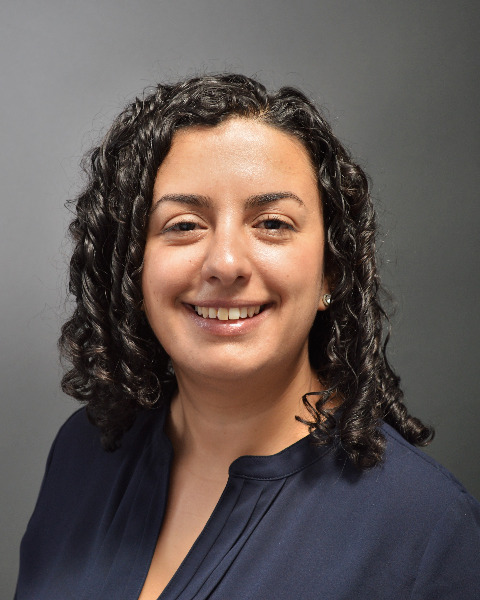
Roz King, MSN, RN, CNL
University of Vermont
Roz King has greater than fifteen years of experience in Emergency Medicine. She currently works at the Larner College of Medicine at the University of Vermont, where she holds various roles. As the Director of the Emergency Medicine Research Associate Program, she serves as faculty, teaching four courses in Emergency Medicine Research. As Director of Research in Emergency Medicine and the Chief of the Division of Research, Ms. King is responsible for providing mentorship and guidance to over forty EM faculty members. Under her leadership, research efforts have increased by greater than forty percent. In addition to providing research guidance and mentorship to others, Ms. King is engaged in her own research endeavors, obtaining greater than $4 million dollars in funding over the last three years from various sources, including federal and foundation funding, Her research interests include healthcare disparities, workplace violence, and low barrier access to care.